
Hormones play a crucial role in a woman’s overall health, influencing mood, energy, metabolism, and reproductive function. Imbalances in hormones can lead to fatigue, irregular periods, weight gain, mood swings, and other health issues. That’s why women wellness tips for hormonal health are essential for maintaining balance and supporting long-term well-being. By adopting simple lifestyle changes, focusing on nutrition, managing stress, and incorporating regular exercise, women can naturally support their hormonal health. This guide provides practical advice for beginners and intermediates to feel their best every day, improve vitality, and prevent long-term hormonal issues.
What is Women Wellness Tips for Hormonal Health?
Women wellness tips for hormonal health are strategies and practices aimed at maintaining or restoring balance in a woman’s endocrine system. Hormones such as estrogen, progesterone, insulin, cortisol, and thyroid hormones regulate various body functions, including energy levels, metabolism, menstrual cycles, mood, and sleep. Wellness tips can include:
- Nutritional guidance to support hormone production
- Exercise routines tailored to balance hormones
- Stress management techniques to reduce cortisol
- Sleep hygiene practices to regulate circadian rhythms
- Natural remedies and lifestyle adjustments to reduce symptoms of hormonal imbalance
In essence, these tips are a holistic approach to improving women’s physical, mental, and emotional well-being while promoting natural hormonal balance.
Why is Women Wellness Tips for Hormonal Health Important?
Hormonal health impacts almost every aspect of a woman’s life. Maintaining balance is vital for:
- Energy levels: Balanced hormones support consistent energy throughout the day
- Mood regulation: Proper hormone function reduces anxiety, irritability, and depression
- Weight management: Hormones like insulin and cortisol influence fat storage and metabolism
- Reproductive health: Supports regular menstrual cycles, fertility, and pregnancy health
- Bone and heart health: Estrogen and thyroid hormones play critical roles in bone density and cardiovascular function
- Long-term wellness: Reduces the risk of chronic illnesses such as diabetes, thyroid disorders, and metabolic syndrome
Ignoring hormonal health can lead to physical and emotional challenges. Implementing women wellness tips for hormonal health ensures a proactive approach to living a balanced, healthy life.
Detailed Step-by-Step Guide
Step 1: Focus on Balanced Nutrition
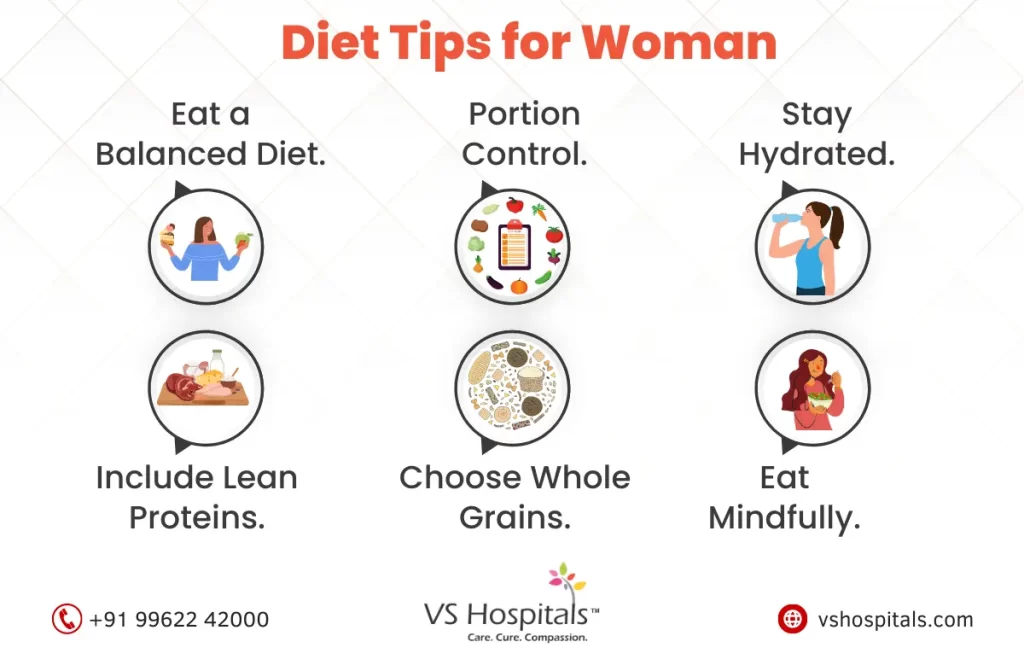
Nutrition is key to hormone balance. Include foods that support endocrine function:
- Healthy fats: Avocados, nuts, seeds, olive oil, and fatty fish support estrogen and progesterone production
- High-quality protein: Eggs, poultry, tofu, and legumes help stabilize blood sugar and support thyroid health
- Complex carbohydrates: Whole grains, vegetables, and fruits reduce insulin spikes
- Fiber-rich foods: Beans, lentils, and leafy greens improve estrogen metabolism and gut health
- Hydration: Drink plenty of water to support metabolic processes
Avoid processed foods, excess sugar, and trans fats, which can disrupt hormone levels and lead to inflammation.
Step 2: Incorporate Regular Exercise
Exercise helps regulate hormones by reducing stress, improving insulin sensitivity, and supporting metabolic health.
- Cardio workouts: Brisk walking, cycling, or swimming 3–5 times per week can boost mood and heart health
- Strength training: Weight lifting or resistance exercises improve muscle mass and support metabolic hormones
- Flexibility exercises: Yoga or Pilates reduces cortisol, improves circulation, and balances the endocrine system
- Consistency matters: Short daily sessions are better than infrequent intense workouts
Step 3: Manage Stress Effectively
High cortisol levels caused by chronic stress can disrupt estrogen, progesterone, and thyroid function.
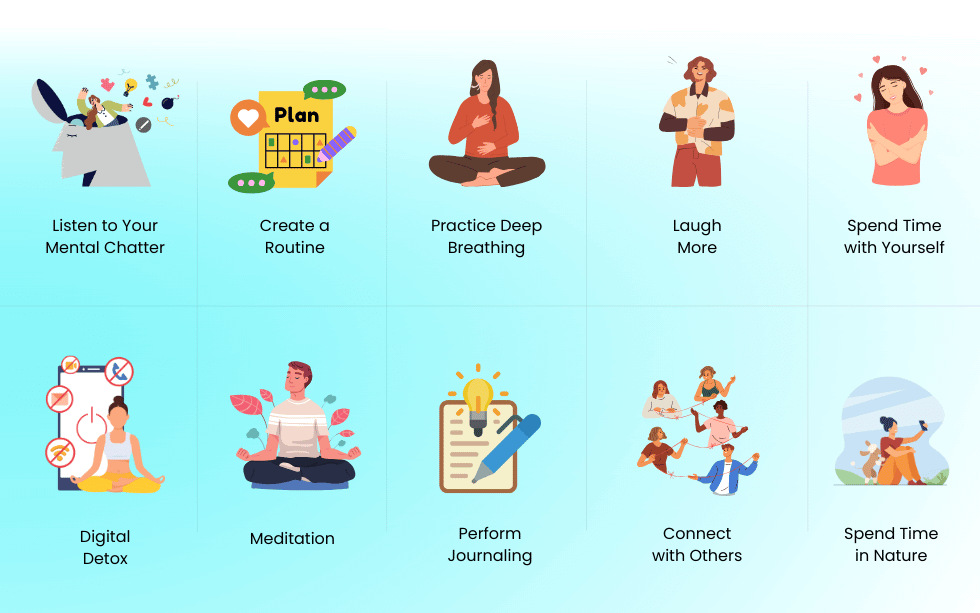
- Meditation: 10–15 minutes daily can lower cortisol
- Deep breathing exercises: Reduces tension and improves mental clarity
- Mindfulness practices: Journaling, gratitude exercises, or spending time in nature
- Limit stress triggers: Reduce exposure to stressful environments or negative media
Step 4: Prioritize Sleep Hygiene
Sleep impacts hormone production, including melatonin, cortisol, and growth hormone.
- Aim for 7–9 hours nightly
- Maintain a consistent bedtime
- Avoid screens 1 hour before sleep
- Create a relaxing routine: Light reading, warm shower, or gentle stretches
- Sleep environment: Keep the room cool, dark, and quiet
Step 5: Support Hormones Naturally
Some natural practices help maintain hormone balance:
- Herbal teas: Chamomile, ginger, or spearmint can reduce menstrual discomfort
- Supplements: Omega-3, magnesium, vitamin D, and probiotics support hormonal function
- Limit toxins: Reduce exposure to endocrine disruptors from plastics, pesticides, or certain cosmetics
- Regular check-ups: Monitor thyroid, blood sugar, and reproductive hormone levels
Step 6: Track Symptoms and Adjust Lifestyle
Pay attention to physical and emotional signals such as fatigue, mood swings, weight changes, or irregular cycles.
- Keep a health journal
- Adjust diet, sleep, or exercise based on symptom patterns
- Consult a healthcare provider if symptoms persist or worsen
Benefits of Women Wellness Tips for Hormonal Health
- Regulates menstrual cycles and improves fertility
- Enhances mood and reduces anxiety or depression
- Increases energy levels and reduces fatigue
- Supports healthy weight management
- Improves skin, hair, and nail health
- Strengthens bones and cardiovascular health
- Reduces risk of hormonal disorders and chronic diseases
Disadvantages / Risks
- Over-supplementing can cause imbalances or side effects
- Excessive exercise may raise cortisol levels instead of reducing it
- Ignoring medical advice while following self-guided tips may delay diagnosis
- Drastic dietary changes without monitoring can lead to nutrient deficiencies
- Relying only on natural remedies may not address serious hormonal disorders
Common Mistakes to Avoid
- Skipping meals or following extreme diets
- Neglecting sleep or rest days
- Over-exercising without recovery
- Ignoring stress management
- Using multiple supplements without consulting a doctor
- Comparing your progress to others’ hormonal health journeys
Frequently Asked Questions (FAQs)
1. How can I naturally balance hormones?
Focus on a nutrient-rich diet, regular exercise, stress management, proper sleep, and avoiding toxins.
2. Are supplements necessary for hormonal health?
Supplements like magnesium, omega-3, vitamin D, and probiotics help, but they should complement a healthy lifestyle, not replace it.
3. Can stress affect hormonal health?
Yes. Chronic stress increases cortisol, which can disrupt thyroid function, estrogen, and progesterone levels.
4. How does sleep impact hormones?
Sleep regulates melatonin, cortisol, and growth hormone, supporting metabolism, mood, and reproductive health.
5. What exercises are best for hormonal balance?
A mix of cardio, strength training, and flexibility exercises like yoga or Pilates improves endocrine function.
6. How long does it take to see improvements?
Changes can be noticed in a few weeks with consistent diet, exercise, sleep, and stress management.
7. Can hormonal health affect weight?
Yes. Imbalances in insulin, cortisol, or thyroid hormones can lead to weight gain or difficulty losing weight.
8. When should I see a doctor?
If symptoms like severe fatigue, irregular cycles, unexplained weight changes, or mood swings persist, consult a healthcare professional.
Expert Tips & Bonus Points
- Meal prep for consistency: Plan balanced meals to maintain stable blood sugar
- Hydrate consistently: Water supports metabolism and hormone transport
- Use mindful eating practices: Focus on meals without distractions to improve digestion
- Incorporate anti-inflammatory foods: Berries, turmeric, leafy greens, and fatty fish
- Track cycles and symptoms: Helps identify patterns and adjust lifestyle accordingly
- Limit caffeine and alcohol: Excess consumption can interfere with estrogen and adrenal hormones
- Practice self-care regularly: Spa days, meditation, or hobbies reduce stress and improve hormonal balance
Conclusion
Maintaining hormonal health is essential for a woman’s overall wellness, energy, and quality of life. Following women wellness tips for hormonal health—including balanced nutrition, consistent exercise, stress management, quality sleep, and mindful lifestyle choices—helps regulate hormones naturally and prevent common health issues. Beginners should start with small, sustainable changes, while intermediates can refine routines and experiment with advanced strategies for optimal results. Tracking symptoms, staying consistent, and consulting professionals when needed ensures that these tips work effectively. By prioritizing hormonal wellness today, women can improve mood, energy, reproductive health, and long-term vitality. Consistent effort and mindful practices create a foundation for balanced hormones and a healthier, more vibrant life.