
Introduction
Mental health is a critical part of overall wellness, yet it is often overlooked, especially among women who juggle multiple responsibilities. A women wellness guide for mental health provides practical strategies to manage stress, anxiety, depression, and emotional imbalances. By focusing on mental well-being, women can improve relationships, productivity, and life satisfaction.
Women face unique mental health challenges due to hormonal fluctuations, societal pressures, career demands, and family responsibilities. Balancing personal needs with external expectations can lead to stress, fatigue, and emotional burnout. This guide aims to provide beginner-friendly and intermediate-level strategies for women to maintain mental wellness, improve resilience, and build a positive mindset. It covers everything from lifestyle adjustments and mindfulness practices to expert tips and self-care routines.
Following a structured women wellness guide for mental health helps in creating sustainable habits that promote emotional stability, reduce anxiety, and enhance overall well-being. By implementing these strategies, women can cultivate a healthier mindset, manage life’s challenges more effectively, and lead a happier, more balanced life. Mental health care is not a luxury; it is a necessity for living a full, empowered life.
What is Women Wellness Guide for Mental Health?
A women wellness guide for mental health is a structured approach to improving psychological well-being. It combines practical advice, lifestyle strategies, and self-care routines specifically tailored to women’s unique needs. Mental wellness is not just about avoiding stress or mental illness—it is about actively cultivating habits that promote emotional balance, resilience, and a positive outlook.
This guide emphasizes actionable strategies, such as mindfulness, exercise, proper nutrition, social connection, and stress management techniques. It addresses common mental health issues among women, including anxiety, depression, mood swings, and burnout, offering tools to handle them effectively. By following this guide, women learn to prioritize their mental well-being, create healthy routines, and strengthen emotional resilience.
Why is Women Wellness Guide for Mental Health Important?
Maintaining mental wellness is crucial for women at every stage of life. Here are several reasons why a structured approach is essential:
- Reduces Stress and Anxiety: Women often face multiple responsibilities; managing mental health prevents overwhelm.
- Improves Emotional Balance: Helps manage mood swings related to hormonal changes, work stress, or family obligations.
- Boosts Productivity: A clear and focused mind enhances work performance and daily functioning.
- Enhances Relationships: Emotional stability improves communication and strengthens personal connections.
- Supports Physical Health: Mental wellness reduces stress hormones, which positively impacts heart health, immunity, and sleep.
- Prevents Burnout: Structured self-care routines protect women from long-term emotional exhaustion.
Ignoring mental health can lead to anxiety, depression, poor decision-making, low self-esteem, and even physical health issues. Therefore, following a women wellness guide for mental health is not only beneficial but necessary for sustainable well-being.
Detailed Step-by-Step Guide
Step 1: Understand Your Mental Health Needs
The first step in any wellness journey is self-awareness. Identify areas that need improvement:
- Track moods daily in a journal or app
- Recognize triggers that cause stress or anxiety
- Evaluate sleep patterns, energy levels, and emotional responses
- Note periods of fatigue or low motivation
Understanding your current state helps in implementing personalized strategies that truly address your mental wellness needs.
Step 2: Practice Mindfulness and Meditation
Mindfulness
Mindfulness is the practice of being present without judgment. Simple techniques include:
- Mindful Breathing: Focus on your breath for 5–10 minutes daily.
- Body Scan Meditation: Notice physical sensations from head to toe.
- Mindful Walking: Pay attention to each step, movement, and surroundings.
Mindfulness reduces overthinking, lowers stress hormones, and improves emotional control.
Meditation
- Start with 10–15 minutes daily in a quiet space
- Use guided meditation or silent sessions to clear the mind
- Gradually increase duration as you feel comfortable
Meditation helps women build resilience against stress, anxiety, and mood fluctuations.
Step 3: Incorporate Physical Activity
Exercise is a proven mental health booster. For women, specific approaches include:
- Yoga: Combines stretching and breathing to reduce stress and improve mood
- Cardio: Walking, jogging, or dancing releases endorphins
- Strength Training: Builds confidence and reduces symptoms of depression
- Mind-Body Practices: Tai Chi and Pilates improve focus and emotional balance
Aim for 30 minutes of moderate activity most days of the week. Even short sessions contribute to better mental health.
Step 4: Prioritize Sleep and Rest
Quality sleep is essential for mental wellness:
- Maintain a consistent sleep schedule
- Avoid screens at least one hour before bed
- Create a calm sleep environment
- Practice relaxation techniques before bedtime, such as deep breathing or reading
Lack of sleep can worsen stress, irritability, and anxiety, making it harder to maintain emotional balance.
Step 5: Nutrition for Mental Wellness
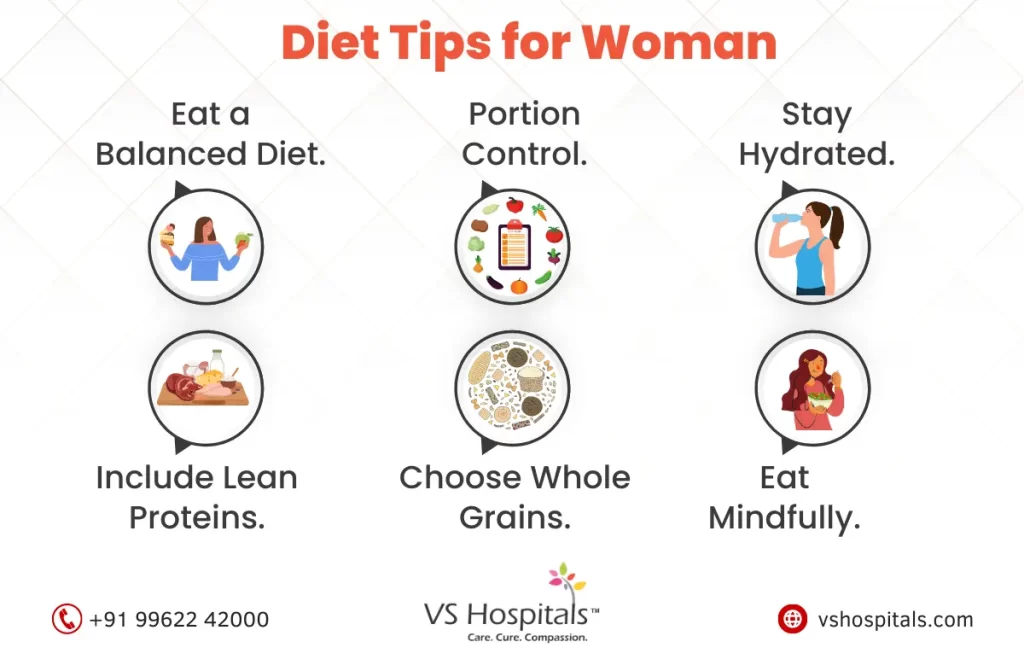
A balanced diet directly impacts mood and cognitive function:
- Include Omega-3s: Fatty fish, flaxseed, and walnuts improve brain health
- Eat Complex Carbs: Whole grains provide steady energy
- Include Protein: Eggs, legumes, and lean meats support neurotransmitter function
- Consume Vitamins & Minerals: Leafy greens, fruits, and fortified foods enhance mental clarity
Avoid excessive sugar, caffeine, and processed foods as they can worsen anxiety and mood swings.
Step 6: Manage Stress Effectively
Deep Breathing Techniques
- Inhale slowly for four counts, hold for four, exhale for four
- Repeat for 5–10 minutes to lower cortisol levels
Journaling
- Write down thoughts and feelings daily
- Reflect on challenges and accomplishments
- Helps clarify emotions and release tension
Time Management
- Plan tasks realistically
- Break large projects into smaller steps
- Avoid overcommitting to reduce overwhelm
Step 7: Build Strong Support Networks
Emotional support is crucial for mental wellness:
- Maintain connections with friends and family
- Join community or online wellness groups
- Seek mentorship or counseling when needed
- Share feelings openly to reduce emotional burden
Strong social support improves resilience and provides perspective during difficult times.
Step 8: Cultivate Positive Habits and Hobbies
Engaging in enjoyable activities reduces stress and enhances mood:
- Creative activities like painting, music, or writing
- Outdoor activities such as gardening or hiking
- Mindful hobbies like knitting, puzzles, or journaling
- Reading self-help or inspirational books
Regular engagement in hobbies provides relaxation and emotional satisfaction.
Step 9: Limit Negative Influences
- Reduce exposure to social media or negative news
- Set healthy boundaries with demanding individuals
- Practice saying no without guilt
- Replace toxic relationships with supportive connections
Managing external influences helps maintain a calm, focused mind.
Step 10: Seek Professional Help When Needed
- Consult a psychologist or therapist if anxiety, depression, or mood swings persist
- Use counseling or therapy as a proactive wellness tool
- Consider support groups or online mental health programs
Professional guidance can accelerate recovery and provide personalized strategies.
Benefits of Women Wellness Guide for Mental Health
- Reduces anxiety, stress, and depression
- Improves mood and emotional stability
- Boosts focus, productivity, and creativity
- Enhances resilience to life challenges
- Strengthens relationships and social connections
- Supports physical health through reduced stress hormones
- Improves sleep quality and energy levels
- Encourages self-awareness and personal growth
Disadvantages / Risks
- Ignoring mental health can lead to chronic stress and burnout
- Over-reliance on self-help without professional guidance may delay recovery
- Neglecting physical health can reduce the effectiveness of wellness strategies
- Unrealistic expectations may cause frustration if results are slow
- Avoiding support networks may increase feelings of isolation
Common Mistakes to Avoid
- Skipping self-care due to busy schedules
- Expecting instant results from meditation or lifestyle changes
- Overloading with too many strategies at once
- Neglecting physical activity or nutrition
- Avoiding professional help when needed
- Comparing your mental health journey to others
FAQs
1. How often should women practice mindfulness?
Daily practice of 10–20 minutes is recommended, though even short sessions multiple times a week are beneficial.
2. Can exercise really improve mental health?
Yes. Physical activity releases endorphins, reduces stress hormones, and enhances mood, energy, and cognitive function.
3. What diet supports mental wellness?
A balanced diet with omega-3 fatty acids, whole grains, lean protein, fruits, and vegetables supports brain function and emotional balance.
4. How can I manage stress at work?
Prioritize tasks, take short breaks, practice deep breathing, set boundaries, and maintain clear communication to reduce workplace stress.
5. Are hobbies important for mental wellness?
Yes. Hobbies provide relaxation, joy, and a sense of accomplishment, which helps reduce anxiety and improves overall well-being.
6. When should I seek professional help?
If symptoms of anxiety, depression, or emotional instability persist or interfere with daily life, consult a therapist, psychologist, or counselor.
7. Can social support improve mental health?
Absolutely. Strong emotional connections reduce feelings of isolation, provide guidance, and enhance resilience during challenging times.
Expert Tips & Bonus Points
- Start the day with a morning mindfulness routine
- Keep a gratitude journal to focus on positive experiences
- Schedule “mental health breaks” during busy days
- Use guided meditation apps if new to meditation
- Practice breathing exercises before stressful situations
- Engage in regular physical activity and balanced nutrition
- Combine multiple strategies—mindfulness, exercise, social support—for best results
- Set realistic goals and celebrate small victories to maintain motivation
Conclusion
A women wellness guide for mental health provides a comprehensive approach to emotional, psychological, and physical well-being. By understanding triggers, practicing mindfulness, engaging in physical activity, maintaining nutrition, building support networks, and managing stress effectively, women can cultivate resilience and long-term mental health.
Mental wellness is a lifelong journey, requiring consistency, patience, and self-compassion. Small, actionable steps, such as daily meditation, mindful eating, regular exercise, journaling, and nurturing social connections, can lead to profound changes in mood, energy, and overall quality of life. Prioritizing mental health allows women to navigate challenges more effectively, improve relationships, and achieve personal and professional goals.
Following this women wellness guide for mental health empowers women to take control of their emotional well-being, reduce anxiety, and maintain balance in a demanding world. Start with one small step today, gradually building habits that promote mental clarity, happiness, and resilience. Mental health is not just a personal priority; it is the foundation for a fulfilling, empowered life.