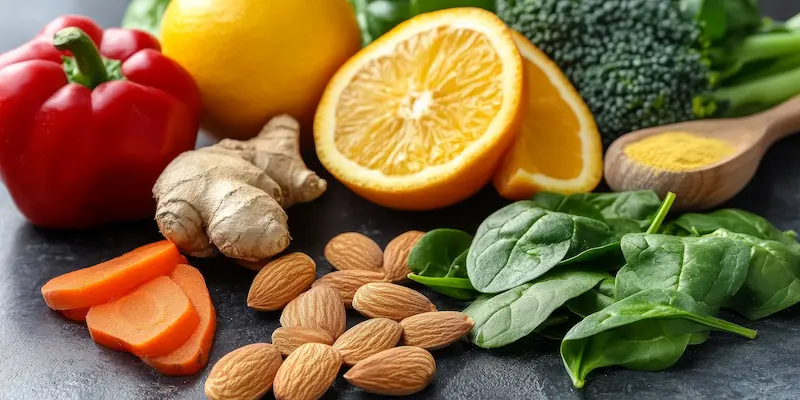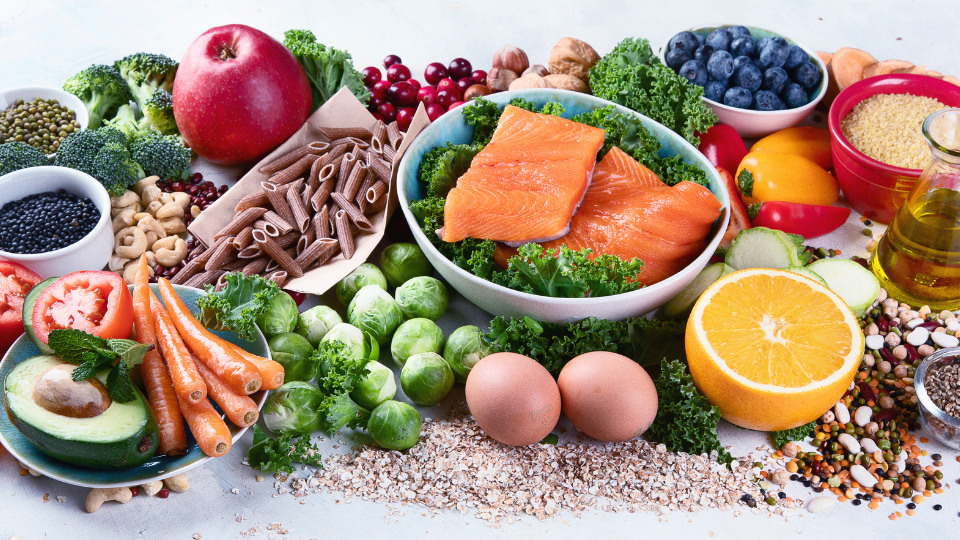

Feeling tired, low on energy, or noticing changes in your hair, skin, or nails? Often, the missing link is vitamins and minerals—the essential nutrients advice your body needs to function at its best. These micronutrients play a vital role in everything from immunity and energy production to bone strength and brain health. While many people think supplements are the only way to get these nutrients, a balanced diet rich in fruits, vegetables, whole grains, dairy, and lean proteins can provide most of what your body needs. In this guide, we’ll cover the key vitamins and minerals, their benefits, sources, and practical tips to help you stay healthy naturally.
What Are Vitamins and Minerals?
Vitamins and minerals are micronutrients, meaning your body needs them in small amounts, but their impact is huge. Vitamins are organic compounds that support various bodily functions, including metabolism, immunity, and growth. They are classified into two types:
- Water-soluble vitamins: B-complex and C vitamins, which your body cannot store and need daily replenishment.
- Fat-soluble vitamins: A, D, E, and K, which are stored in fat tissues and the liver for later use.
Minerals are inorganic nutrients your body uses for bone strength, nerve function, heart health, and more. They are divided into:
- Macro minerals: Needed in larger amounts, such as calcium, potassium, and magnesium.
- Trace minerals: Needed in smaller amounts, including iron, zinc, and selenium.
Both vitamins and minerals work together to maintain optimal health. For example, vitamin D helps the body absorb calcium, while vitamin C enhances iron absorption. Without these nutrients, your body cannot perform vital functions efficiently.
Key Vitamins Your Body Needs
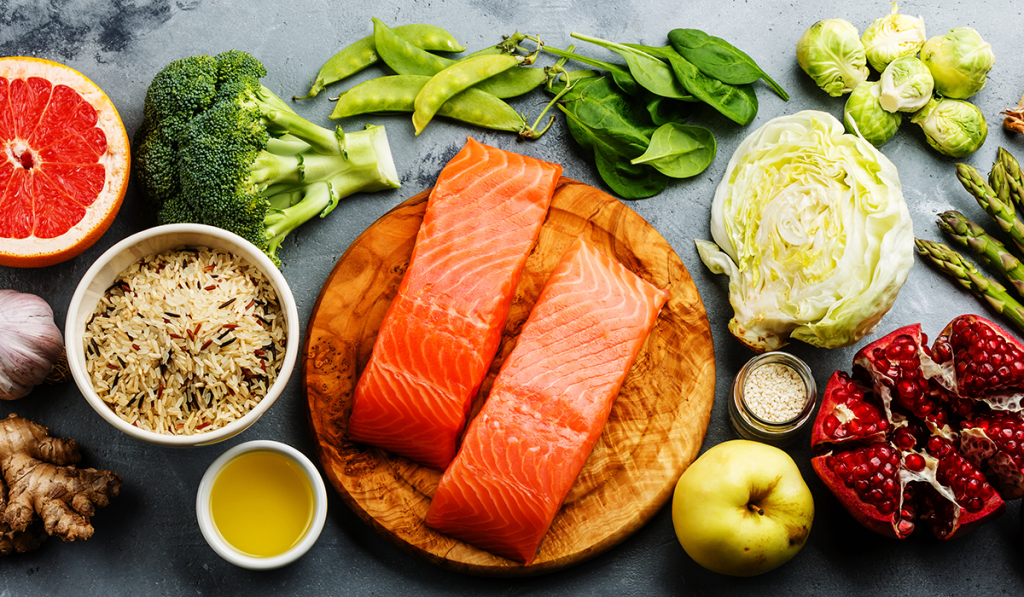
Vitamin A
Vitamin A is essential for healthy vision, immune function, and skin health. It also supports cell growth and reproduction. A deficiency can lead to night blindness and a weakened immune system.
Sources: Carrots, sweet potatoes, spinach, kale, and liver.
Tip: Pair vitamin A-rich foods with healthy fats like olive oil to enhance absorption.
Vitamin B Complex
The B vitamins, including B1 (thiamine), B2 (riboflavin), B3 (niacin), B6, B12, folate, and others, play a key role in energy production and nervous system health. They also support red blood cell formation.
Sources: Whole grains, eggs, legumes, dairy products, and leafy greens.
Tip: Eating a variety of B-rich foods ensures you get all essential B vitamins.
Vitamin C
Vitamin C is a powerful antioxidant that strengthens the immune system, protects cells from damage, and aids in collagen formation for healthy skin and joints.
Sources: Citrus fruits, kiwi, bell peppers, strawberries, and broccoli.
Tip: Consuming vitamin C with iron-rich foods improves iron absorption.
Vitamin D
Vitamin D is crucial for bone health, immune function, and mood regulation. It helps the body absorb calcium and phosphorus, which are essential for strong bones.
Sources: Sunlight exposure, fortified milk, salmon, eggs, and mushrooms.
Tip: Spending 10–15 minutes in sunlight daily can boost vitamin D naturally.
Vitamin E
Vitamin E acts as an antioxidant, protecting cells from oxidative stress. It also supports skin health and immune function.
Sources: Almonds, sunflower seeds, spinach, and avocados.
Tip: Include nuts and seeds as snacks to get your daily dose of vitamin E.
Vitamin K
Vitamin K is vital for blood clotting and bone health. A deficiency can lead to excessive bleeding or weakened bones.
Sources: Kale, broccoli, Brussels sprouts, and leafy greens.
Tip: Pair vitamin K foods with healthy fats to improve absorption.
Essential Minerals Your Body Needs
Calcium
Calcium supports strong bones and teeth, muscle function, and nerve signaling. Insufficient calcium intake can lead to brittle bones and osteoporosis.
Sources: Dairy products, almonds, leafy greens, tofu, and fortified plant milk.
Tip: Vitamin D-rich foods or sunlight help your body absorb calcium more effectively.
Iron
Iron is crucial for transporting oxygen in the blood and producing energy. A deficiency can cause fatigue, weakness, and pale skin.
Sources: Red meat, lentils, spinach, pumpkin seeds, and chickpeas.
Tip: Consume iron-rich plant foods with vitamin C to enhance absorption.
Magnesium
Magnesium plays a key role in muscle and nerve function, energy production, and maintaining normal blood pressure.
Sources: Nuts, seeds, whole grains, leafy greens, and dark chocolate.
Tip: Magnesium-rich foods can also help reduce muscle cramps and support better sleep.
Zinc
Zinc is essential for immunity, wound healing, and DNA synthesis. A deficiency can lead to frequent infections, slow wound healing, and hair loss.
Sources: Meat, seafood, legumes, nuts, and seeds.
Tip: Zinc absorption from plant foods can be improved by soaking legumes before cooking.
Potassium
Potassium helps regulate blood pressure, maintain fluid balance, and support muscle and nerve function.
Sources: Bananas, potatoes, beans, avocados, and spinach.
Tip: Including potassium-rich foods can help reduce the risk of hypertension.
Selenium
Selenium is a powerful antioxidant that protects cells from damage and supports thyroid function.
Sources: Brazil nuts, fish, eggs, and whole grains.
Tip: Just 1–2 Brazil nuts per day can provide your recommended selenium intake.
How to Get Enough Vitamins and Minerals
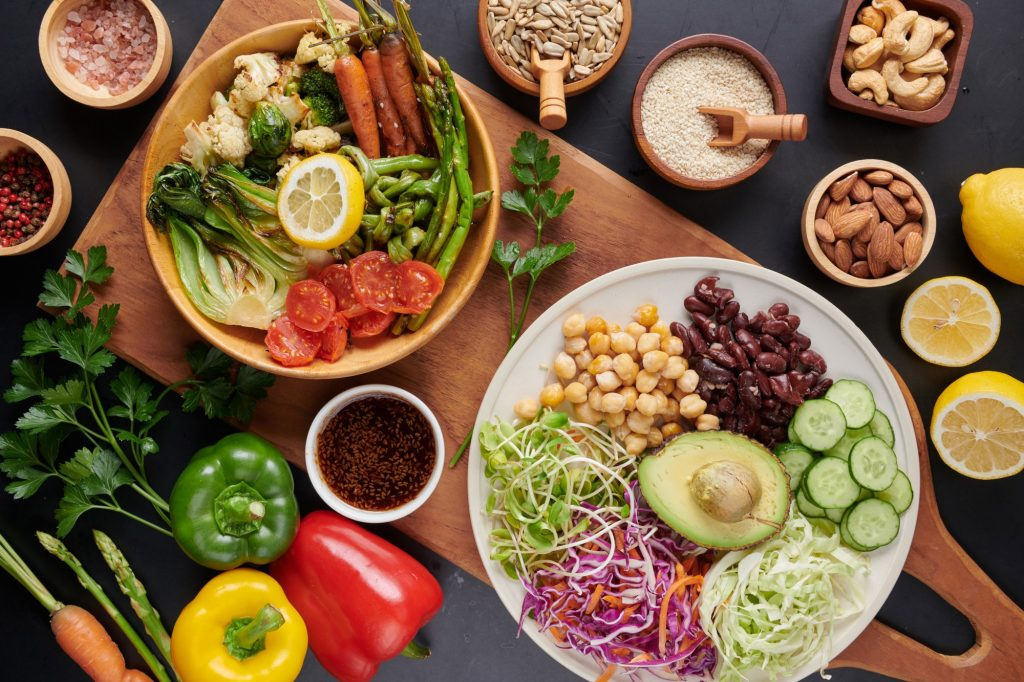
A balanced diet is the best way to ensure adequate vitamin and mineral intake. Focus on:
- Fruits and vegetables: Provide a variety of vitamins, minerals, and antioxidants.
- Whole grains: Supply B vitamins, magnesium, and fiber.
- Dairy or fortified alternatives: Excellent sources of calcium and vitamin D.
- Lean proteins: Meat, fish, eggs, and legumes provide iron, zinc, and B vitamins.
- Nuts and seeds: Supply vitamin E, magnesium, and healthy fats.
For picky eaters or those with dietary restrictions, combining foods strategically can improve nutrient absorption. For example, adding lemon juice (vitamin C) to spinach (iron) enhances iron uptake. Supplements may be helpful if you cannot meet your nutrient needs through diet alone, but consulting a healthcare professional is recommended.
Signs of Deficiency
Vitamin and mineral deficiencies can manifest in many ways:
- Fatigue or low energy: Often linked to deficiencies in B vitamins, iron, or magnesium.
- Weak immunity: May indicate low vitamin C, vitamin D, or zinc levels.
- Hair, skin, and nail problems: Could be due to lack of vitamin A, E, or biotin.
- Bone and joint issues: Often caused by insufficient calcium, vitamin D, or magnesium.
If you notice persistent symptoms, a healthcare provider can recommend tests or dietary adjustments to correct deficiencies.
Frequently Asked Questions
1. Can I get all vitamins from food alone?
For most healthy adults, a balanced diet provides all necessary vitamins and minerals. Supplements may be useful for deficiencies or restricted diets.
2. Do I need supplements for minerals?
Only if you have specific deficiencies, dietary restrictions, or medical advice. Focus on natural food sources first.
3. How much of each vitamin should I take daily?
Recommended amounts vary by age, sex, and health status. Consult a healthcare professional or use trusted nutrition guidelines for personalized advice.
4. Can children benefit from vitamins and minerals too?
Yes! Nutrient-rich foods support growth, immunity, and cognitive development in children. Ensure a balanced diet with fruits, vegetables, whole grains, and protein.
Conclusion
Getting enough vitamins and minerals is essential for energy, immunity, bone health, and overall well-being. Incorporating a variety of fruits, vegetables, whole grains, lean proteins, dairy, nuts, and seeds into your daily diet is the most effective way to meet your nutritional needs. Being mindful of nutrient combinations, food absorption, and lifestyle habits like sunlight exposure, exercise, and adequate sleep will maximize the benefits. Start small by adding one or two nutrient-rich foods each day, and over time, your body will thank you with improved energy, resilience, and overall health.