
Eating well is the cornerstone of good health for women of all ages. Nutrition advice for women focuses on providing essential nutrients that support energy, hormonal balance, bone strength, and overall wellness. A balanced diet can improve mood, enhance skin health, and help manage weight effectively. Many women struggle with understanding what foods to eat, how to combine them, and how much is appropriate for their lifestyle.
Whether you are a beginner trying to improve your daily diet or an intermediate reader looking for refined nutrition strategies, following expert nutrition advice for women wellness can make a noticeable difference. It is not about strict dieting or avoiding foods you love; it is about creating a sustainable and healthy eating plan. This guide will cover what proper nutrition for women looks like, why it matters, step-by-step recommendations, common mistakes, and expert tips. By following these strategies, you can enjoy better health, higher energy, and long-term wellness.
What is Nutrition Advice for Women?
Nutrition advice for women refers to dietary guidance tailored to meet women’s unique health needs. Women require specific amounts of vitamins, minerals, and macronutrients at different stages of life. For instance, iron, calcium, and folate are critical for women due to menstruation, pregnancy, and bone health. Nutrition advice provides practical tips on incorporating these nutrients into daily meals through balanced food choices, portion control, and timing of meals.
It also emphasizes healthy habits such as drinking enough water, reducing processed foods, and choosing nutrient-dense snacks. Nutrition advice for women often combines scientific recommendations with realistic lifestyle adjustments, making it easy to follow without feeling overwhelmed.
Why is Nutrition Advice for Women Important?
Proper nutrition is vital for women because it affects multiple aspects of health and quality of life:
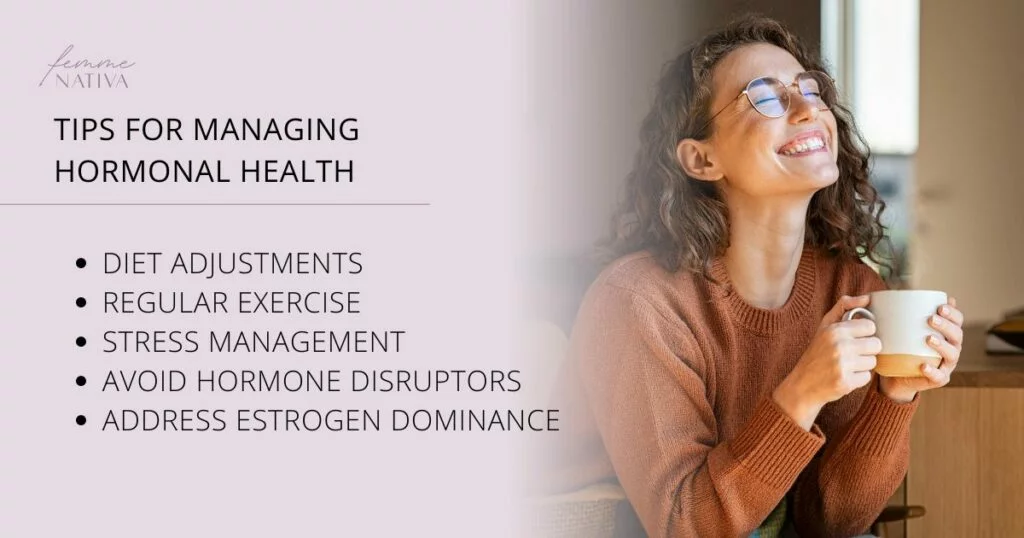
- Supports Hormonal Balance: Adequate nutrition helps regulate hormones, reducing PMS symptoms and supporting menopause transition.
- Boosts Energy: A well-balanced diet provides sustained energy for work, exercise, and daily activities.
- Promotes Bone Health: Calcium, vitamin D, and magnesium are essential for preventing osteoporosis.
- Supports Reproductive Health: Nutrients like folate and iron are critical for fertility and pregnancy.
- Enhances Mental Well-Being: Nutrient-rich foods support brain function, improving mood and reducing anxiety.
- Maintains Healthy Weight: Balanced meals with proper portions prevent weight fluctuations and promote long-term health.
Ignoring nutrition can lead to deficiencies, fatigue, weakened immunity, and increased risk of chronic diseases. Therefore, following reliable nutrition advice for women is essential for overall well-being.
Detailed Step-by-Step Guide
Step 1: Assess Your Daily Nutritional Needs
Start by understanding your caloric and nutrient requirements based on age, activity level, and health goals.
- Women aged 19–30: ~1,800–2,400 calories/day depending on activity
- Women aged 31–50: ~1,800–2,200 calories/day
- Women over 50: ~1,600–2,200 calories/day
Use these numbers as a guide, not a strict limit, and adjust based on hunger and energy levels.
Step 2: Focus on Macronutrients
Carbohydrates
- Provide energy for daily tasks and workouts
- Choose whole grains like oats, quinoa, brown rice, and whole wheat bread
- Limit refined sugars and processed foods
Proteins
- Support muscle repair, immune function, and metabolism
- Include lean meats, fish, eggs, legumes, tofu, and dairy
- Aim for 1.0–1.2 grams of protein per kg of body weight daily
Healthy Fats
- Support hormone production and brain health
- Focus on avocados, nuts, seeds, olive oil, and fatty fish
- Avoid trans fats and excessive saturated fats
Step 3: Include Micronutrients
Certain vitamins and minerals are particularly important for women:
- Iron: Red meat, beans, spinach
- Calcium: Dairy, fortified plant milk, leafy greens
- Vitamin D: Sun exposure, fatty fish, fortified foods
- Folate: Leafy vegetables, citrus fruits, lentils
- Magnesium: Nuts, seeds, whole grains
- Omega-3 Fatty Acids: Salmon, flaxseed, chia seeds
Step 4: Plan Balanced Meals
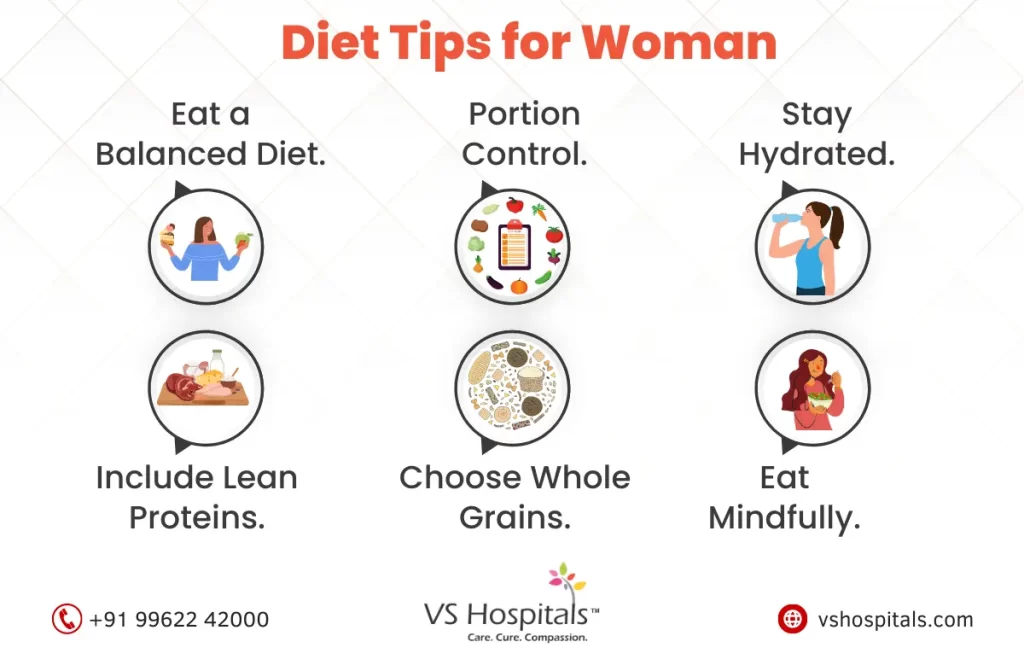
Follow the plate method for simple portion control:
- Half the plate with vegetables and fruits
- One-quarter with lean protein
- One-quarter with whole grains or complex carbs
- Include a small portion of healthy fat
Step 5: Snack Smartly
Healthy snacks keep energy levels steady and prevent overeating:
- Greek yogurt with berries
- Nuts or seeds
- Fresh fruit or vegetable sticks
- Hummus with whole grain crackers
Step 6: Hydrate Adequately
Water supports metabolism, digestion, and overall health. Aim for 8–10 glasses daily. Herbal teas and infused water are also good options.
Step 7: Monitor and Adjust
Track your meals and energy levels to see what works best. Adjust portion sizes, meal timing, and nutrient intake according to lifestyle changes and personal goals.
Benefits of Nutrition Advice for Women
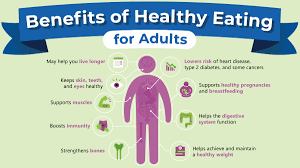
- Improves overall health and longevity
- Boosts energy and productivity
- Supports healthy weight management
- Enhances skin, hair, and nail health
- Strengthens bones and muscles
- Reduces risk of anemia, osteoporosis, and chronic diseases
- Supports reproductive and hormonal health
Disadvantages / Risks
- Following extreme diets can lead to nutrient deficiencies
- Ignoring balanced nutrition may increase fatigue and illness risk
- Over-reliance on supplements instead of whole foods
- Excessive calorie restriction can disrupt hormones and metabolism
Common Mistakes to Avoid
- Skipping meals or relying on fad diets
- Overconsumption of processed foods and sugary drinks
- Ignoring portion control
- Neglecting hydration
- Not including a variety of foods
- Relying solely on supplements instead of balanced meals
FAQs
1. How can women get enough iron without eating meat?
Plant-based sources like lentils, beans, tofu, spinach, and fortified cereals provide iron. Pairing them with vitamin C-rich foods enhances absorption.
2. How important is calcium for women?
Calcium is crucial for bone health and preventing osteoporosis, especially after age 30. Include dairy, leafy greens, and fortified alternatives daily.
3. Can women eat carbs without gaining weight?
Yes. Whole grains, fruits, and vegetables provide healthy carbs that fuel the body. Moderation and portion control are key.
4. Are supplements necessary?
Supplements can help fill nutrient gaps but should not replace whole foods. Consult a healthcare provider before taking vitamins or minerals.
5. How can women boost energy through diet?
Focus on balanced meals with protein, complex carbs, healthy fats, and micronutrients. Avoid excessive sugar and caffeine, which can cause energy crashes.
6. What foods support hormonal balance?
Leafy greens, fatty fish, nuts, seeds, whole grains, and fermented foods support hormonal health naturally.
7. Is it okay to eat snacks between meals?
Yes, healthy snacks like fruit, yogurt, or nuts maintain energy levels and prevent overeating during main meals.
Expert Tips & Bonus Points
- Meal prep to ensure healthy choices are available
- Include colorful fruits and vegetables for a variety of nutrients
- Practice mindful eating by paying attention to hunger cues
- Limit processed foods and added sugars gradually
- Listen to your body and adjust nutrition based on energy and health needs
- Combine nutrition with regular exercise for optimal results
Conclusion
Nutrition advice for women is essential for maintaining health, energy, and overall well-being. By focusing on balanced meals, including essential macronutrients and micronutrients, and practicing mindful eating, women can achieve long-term health benefits. Proper nutrition supports hormonal balance, bone strength, mental well-being, and weight management.
Creating a sustainable eating plan that fits your lifestyle is more effective than following restrictive diets. Small, consistent changes like including more vegetables, choosing whole grains, staying hydrated, and planning balanced meals can have a lasting impact. Remember, nutrition is not about perfection—it is about making informed choices that support your body and mind.
By following these strategies, women can enjoy improved energy, stronger bodies, and enhanced overall wellness. Start implementing these tips today and make nutrition a natural part of your everyday life.