Introduction
As we age, maintaining good nutrition becomes increasingly important for overall health and wellbeing. Eating the right foods can improve energy, support immunity, strengthen bones, and even enhance brain function. Nutrition advice for healthy aging focuses on creating a balanced diet that meets changing nutritional needs, helps prevent chronic diseases, and promotes a higher quality of life.
Many people are unsure which nutrients are most important as they grow older. Protein, fiber, vitamins, and minerals play critical roles in maintaining muscle mass, digestion, and bone health. Similarly, choosing foods rich in antioxidants can help combat inflammation and protect cells from damage. Proper hydration is also essential, as older adults are more prone to dehydration.
This article provides comprehensive nutrition advice for healthy aging. From understanding what healthy aging means to step-by-step dietary guidance, practical tips, common mistakes to avoid, and expert recommendations, you will gain the knowledge to make informed choices. Whether you are new to health-focused eating or looking to refine your diet, this guide will help you optimize your nutrition for long-term wellness.
What is Nutrition Advice for Healthy Aging?
Nutrition advice for healthy aging is guidance on choosing foods and eating patterns that support the body as it ages. It emphasizes nutrients that help maintain strength, prevent disease, and promote cognitive health. This advice is tailored to meet the changing needs of adults over 50, although benefits apply to all ages preparing for long-term wellness.
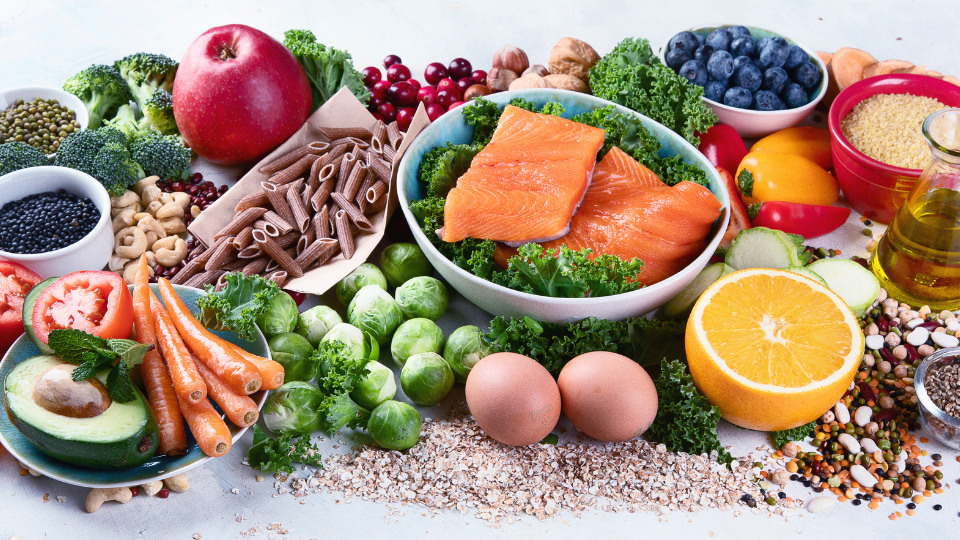
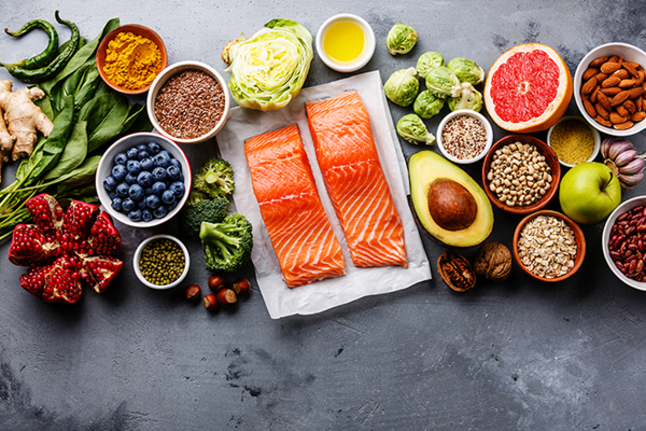
Healthy aging nutrition includes a variety of foods: vegetables, fruits, whole grains, lean proteins, healthy fats, and adequate fluids. It also focuses on limiting processed foods, excessive sugar, and unhealthy fats. Additionally, mindful eating and portion control are key components, ensuring the body gets sufficient nutrients without overconsumption.
Why is Nutrition Advice for Healthy Aging Important?
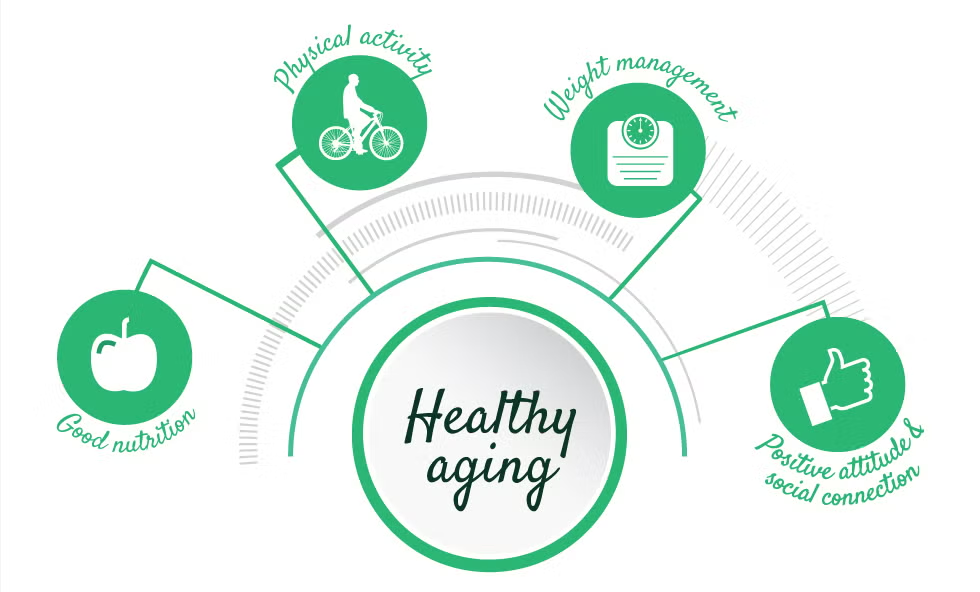
Proper nutrition supports every system in the body, and its importance increases as we age. Muscle mass naturally declines with age, making protein intake crucial. Bone density decreases, so calcium and vitamin D are essential. The risk of chronic diseases, such as heart disease, diabetes, and cognitive decline, can be reduced through healthy dietary choices.
Following nutrition advice for healthy aging can improve energy levels, enhance mental clarity, strengthen immunity, and even improve mood. Inadequate nutrition may lead to weight loss, fatigue, slower recovery from illness, and weakened immunity. Adopting a mindful approach to eating ensures long-term vitality and independence.
Detailed Step-by-Step Guide
Step 1: Focus on Protein Intake
- Include lean meats, fish, eggs, beans, lentils, and dairy products.
- Aim for at least 1–1.2 grams of protein per kilogram of body weight daily.
- Spread protein intake across meals for better absorption and muscle maintenance.
Step 2: Prioritize Fruits and Vegetables
- Consume at least 5 servings daily to provide antioxidants, fiber, and vitamins.
- Choose colorful vegetables and seasonal fruits for maximum nutrient variety.
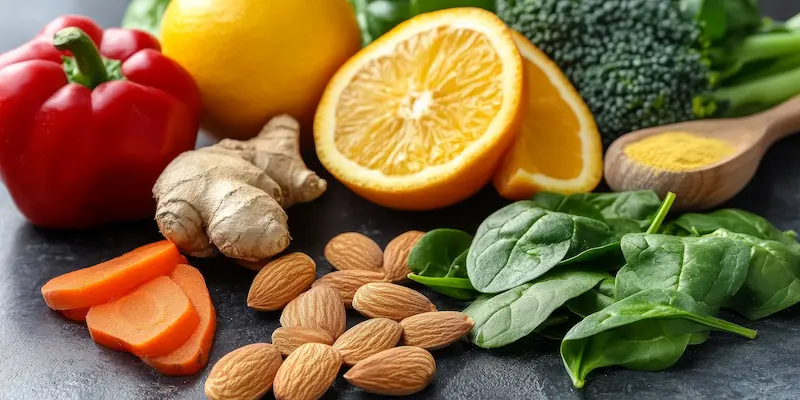
- Examples: leafy greens, berries, carrots, bell peppers, and citrus fruits.
Step 3: Choose Whole Grains
- Replace refined grains with oats, quinoa, brown rice, and whole wheat.
- Whole grains help maintain healthy digestion, control blood sugar, and support heart health.
Step 4: Include Healthy Fats
- Opt for monounsaturated and polyunsaturated fats found in olive oil, nuts, seeds, and fatty fish.
- Limit saturated and trans fats to protect heart health and reduce inflammation.
Step 5: Ensure Adequate Calcium and Vitamin D
- Include dairy, fortified plant-based milk, leafy greens, and fatty fish.
- Vitamin D supports calcium absorption and bone strength; consider safe sun exposure or supplements if necessary.
Step 6: Stay Hydrated
- Drink at least 6–8 glasses of water daily.
- Include herbal teas and water-rich foods like fruits and vegetables.
- Limit sugary drinks and excessive caffeine.
Step 7: Mindful Eating
- Eat slowly and focus on hunger and fullness cues.
- Avoid distractions like TV or phones while eating.
- Portion control helps maintain a healthy weight.
Benefits of Nutrition Advice for Healthy Aging
- Supports strong bones and muscles
- Enhances cognitive function and memory
- Reduces risk of chronic diseases like heart disease and diabetes
- Boosts immunity and recovery from illness
- Improves digestion and gut health
- Increases energy levels and overall vitality
- Promotes healthy weight management
- Supports emotional wellbeing and mood
Disadvantages / Risks
- Over-restriction may lead to nutrient deficiencies
- Excess supplementation without guidance can cause toxicity
- Unbalanced diets may result in fatigue or weakness
- Ignoring hydration needs can lead to dehydration
- Relying solely on diet without exercise may not maintain muscle mass
Common Mistakes to Avoid
- Skipping meals, leading to nutrient gaps and fatigue
- Overeating processed foods high in sugar or salt
- Neglecting protein and focusing only on carbs or fats
- Ignoring fiber intake, which can affect digestion
- Forgetting to adjust caloric intake according to activity level
- Following fad diets that lack long-term sustainability
- Not consulting a healthcare professional before supplements
FAQs
1. What are the best foods for healthy aging?
Include lean protein, colorful vegetables, whole grains, nuts, seeds, and fruits. Fatty fish and low-fat dairy also provide essential nutrients.
2. How much water should older adults drink daily?
Aim for 6–8 glasses of water. Hydration is critical for kidney function, digestion, and overall energy.
3. Are supplements necessary for healthy aging?
Supplements may help meet nutrient gaps, especially for vitamin D, calcium, or B12, but a balanced diet should be the primary source.
4. Can healthy aging nutrition improve brain health?
Yes, foods rich in omega-3 fatty acids, antioxidants, and vitamins help support memory, focus, and cognitive function.
5. How can I maintain muscle mass while aging?
Prioritize protein intake, perform strength exercises, and include calcium and vitamin D for bone support.
6. Should I avoid certain foods as I age?
Limit processed foods, added sugars, trans fats, and excessive salt to reduce inflammation, heart disease risk, and other chronic conditions.
7. Is portion control important for aging adults?
Yes, metabolism slows with age, making portion control essential to maintain a healthy weight and prevent overeating.
8. Can hydration affect aging?
Absolutely, dehydration can lead to fatigue, cognitive issues, and decreased physical performance. Drink water consistently throughout the day.
Expert Tips & Bonus Points
- Plan meals ahead to ensure nutrient variety and consistency.
- Use herbs and spices for flavor instead of excess salt.
- Include probiotics like yogurt or fermented foods for gut health.
- Engage in regular physical activity to complement nutrition.
- Track nutrient intake to identify deficiencies or excesses.
- Consider periodic consultation with a nutritionist for personalized guidance.
- Combine mindfulness practices with eating to enhance digestion and satisfaction.
Conclusion
Nutrition advice for healthy aging is essential for maintaining energy, preventing chronic diseases, and supporting overall wellbeing. Eating a balanced diet rich in protein, fruits, vegetables, whole grains, and healthy fats can strengthen bones, boost immunity, and improve cognitive function. Mindful eating and proper hydration further enhance health benefits.
Adopting these habits allows older adults to maintain independence, vitality, and a higher quality of life. Beginners should focus on small, consistent changes rather than drastic restrictions. Over time, these adjustments become lifestyle habits that support long-term health.
By following nutrition advice for healthy aging, you invest in your future wellbeing. Eating well is not just about longevity; it is about enjoying life with energy, clarity, and strength. Start today with simple dietary changes and mindful choices to embrace healthier aging with confidence and balance.