
Introduction
Cold and flu are among the most common illnesses, affecting millions of people each year. Symptoms such as runny nose, sore throat, cough, fatigue, and mild fever can make daily life uncomfortable. While over-the-counter medications are available, many people prefer natural approaches that are gentle, effective, and can be done at home. Home remedies for cold and flu have been used for generations to ease symptoms, boost immunity, and accelerate recovery.
These remedies focus on hydration, nutrition, rest, and simple natural treatments that support the body’s immune system. For beginners and intermediate readers, understanding and implementing these remedies can provide quick relief and reduce dependency on medications. This guide covers the best home remedies for cold and flu, explaining why they work, how to use them safely, and additional tips to prevent complications. By following this comprehensive guide, you can manage cold and flu effectively while supporting your overall health naturally.
What is Home Remedies for Cold and Flu?
Home remedies for cold and flu refer to natural, non-prescription methods to relieve symptoms and support recovery. These remedies include herbal treatments, dietary adjustments, hydration practices, and lifestyle habits designed to boost the immune system and reduce discomfort. Unlike medications, home remedies work gently, focusing on strengthening the body’s natural defenses and improving overall wellness.
Popular home remedies include drinking warm teas, consuming honey and ginger, using steam inhalation, and resting adequately. These remedies target common symptoms such as nasal congestion, cough, sore throat, fatigue, and mild fever. They are safe for most people, easy to implement, and often provide immediate comfort. The goal is not to replace medical treatment in severe cases but to provide natural relief during common cold and flu episodes.
Why is Home Remedies for Cold and Flu Important?
Home remedies are important for several reasons:
- Natural Relief: They reduce symptoms like cough, congestion, and sore throat without harsh chemicals.
- Boost Immunity: Many remedies, such as ginger, garlic, and vitamin C-rich foods, strengthen the immune system.
- Cost-Effective: Home remedies use ingredients that are commonly available, making them affordable.
- Safe for Most People: They are gentle on the body and can be used alongside medications if necessary.
- Support Recovery: Proper hydration, rest, and nutrition help the body fight infections faster.
- Prevent Complications: Timely use of home remedies can prevent mild colds from developing into more severe conditions.
Ignoring natural remedies can prolong symptoms and make recovery slower. Incorporating them ensures that the body receives extra support while reducing discomfort in a safe, holistic manner.
Detailed Step-by-Step Guide
Step 1: Hydration is Key
Staying hydrated is one of the simplest and most effective home remedies for cold and flu:
- Drink plenty of water to thin mucus and reduce congestion
- Warm water, broths, and herbal teas help soothe the throat
- Coconut water or electrolyte solutions prevent dehydration during fever
Proper hydration helps the body flush out toxins and supports immune function.
Step 2: Use Herbal Teas and Warm Liquids
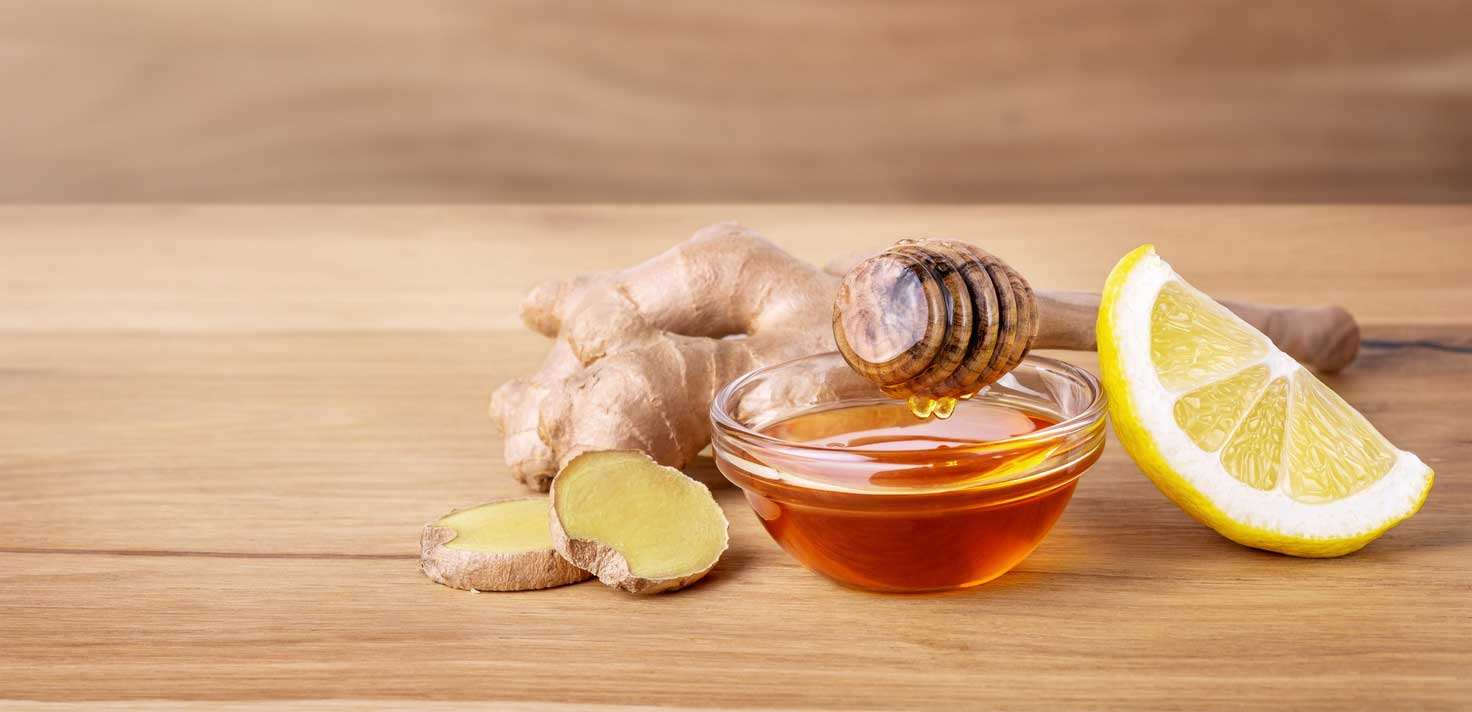
Ginger Tea
- Boil fresh ginger slices in water for 5–10 minutes
- Add honey or lemon for added benefits
- Ginger has anti-inflammatory and antiviral properties that reduce throat irritation
Chamomile Tea
- Helps relax the body and promote sleep
- Soothes sore throats and reduces mild inflammation
Peppermint Tea
- Acts as a natural decongestant
- Eases nasal and chest congestion
Warm liquids are comforting, improve circulation, and provide temporary relief from cold symptoms.
Step 3: Natural Ingredients and Remedies
Honey
- Mix a teaspoon of honey in warm water or tea
- Reduces coughing and soothes sore throat
- Contains antimicrobial properties
Garlic
- Crush fresh garlic and add to soups or teas
- Garlic boosts immune response and fights infection
Lemon
- Rich in vitamin C, helps boost immunity
- Add to warm water with honey for a soothing drink
Turmeric
- Mix turmeric with milk or water
- Has anti-inflammatory and antibacterial properties
Step 4: Steam Inhalation
Steam inhalation is effective for nasal congestion and sinus relief:
- Boil water in a pot and pour into a bowl
- Lean over the bowl with a towel covering your head
- Inhale deeply for 5–10 minutes
- Add eucalyptus oil for added relief
Steam opens nasal passages, loosens mucus, and helps you breathe easier.
Step 5: Gargling and Throat Care
- Gargle with warm salt water to relieve sore throat
- Herbal gargles with chamomile or sage also reduce inflammation
- Honey and warm water mixtures can coat and soothe the throat
Step 6: Rest and Sleep
Adequate rest is critical for recovery:
- Aim for 7–9 hours of sleep per night
- Short naps during the day can support healing
- Reduce stress and avoid strenuous activities
Rest allows the immune system to function efficiently and accelerates recovery.
Step 7: Nutrition and Immune Support
Vitamin C-Rich Foods
- Citrus fruits, bell peppers, strawberries, and kiwis
- Supports white blood cell function
Zinc-Rich Foods
- Nuts, seeds, legumes, and whole grains
- Helps reduce duration and severity of cold symptoms
Probiotics
- Yogurt and fermented foods promote gut health
- A healthy gut supports overall immune function
Balanced nutrition ensures the body has the necessary building blocks to fight infection.
Step 8: Maintain a Warm Environment
- Keep the room temperature comfortable
- Avoid cold drafts that can worsen symptoms
- Use blankets or warm compresses for comfort
A warm environment helps the body focus energy on recovery rather than maintaining body temperature.
Step 9: Gentle Exercise (Optional)
- Light stretching or short walks can improve circulation
- Avoid strenuous workouts during active illness
- Movement may help clear congestion and improve mood
Gentle activity can prevent stiffness and improve overall comfort while sick.
Step 10: Hygiene Practices
- Wash hands regularly to prevent spreading germs
- Use tissues for sneezing or coughing
- Disinfect surfaces to reduce reinfection risk
Proper hygiene supports recovery and prevents the illness from spreading to family members.
Benefits of Home Remedies for Cold and Flu
- Reduces nasal congestion and cough
- Soothes sore throat and reduces irritation
- Strengthens the immune system naturally
- Provides safe, chemical-free symptom relief
- Promotes faster recovery through hydration and nutrition
- Improves comfort with warm liquids and steam therapy
- Affordable and accessible for most households
Disadvantages / Risks
- May not replace medical treatment for severe cases
- Overuse of certain remedies, like honey for infants, can be harmful
- Allergies to herbal ingredients can cause reactions
- Ignoring worsening symptoms could delay necessary medical care
- Self-medication without proper assessment may overlook complications
Common Mistakes to Avoid
- Using home remedies exclusively for serious flu symptoms
- Ignoring persistent fever or breathing difficulties
- Overloading with multiple remedies at once without guidance
- Failing to maintain hydration
- Neglecting rest and sleep
- Ignoring hand hygiene, which may lead to reinfection
FAQs
1. Can home remedies cure cold and flu completely?
Home remedies alleviate symptoms and support recovery, but they do not “cure” the virus. The body’s immune system clears the infection naturally.
2. How soon can I see relief from home remedies?
Some remedies, like steam inhalation or warm liquids, provide immediate comfort. Full recovery may take 3–7 days depending on individual immunity.
3. Are these remedies safe for children?
Most remedies, such as honey (for children above 1 year), ginger, and warm liquids, are safe. Avoid honey for infants under 1 year and consult a doctor for young children.
4. Can I take home remedies along with medication?
Yes. Most home remedies are complementary, but check with a healthcare provider if taking prescription medications.
5. How often should I drink herbal teas?
2–4 cups daily is generally safe. Adjust based on personal comfort and tolerance.
6. Is steam inhalation safe?
Yes, for most adults and older children. Keep a safe distance from hot water to avoid burns and supervise children.
7. Can diet alone prevent cold and flu?
A healthy diet boosts immunity but does not guarantee prevention. Combining nutrition with hygiene, rest, and lifestyle habits provides better protection.
Expert Tips & Bonus Points
- Start remedies at the first sign of symptoms for best results
- Combine multiple remedies for comprehensive relief, e.g., tea, honey, and steam
- Maintain a balanced diet rich in fruits, vegetables, and protein
- Stay hydrated consistently, not just when sick
- Keep a thermometer to monitor fever and symptom changes
- Practice hand hygiene and avoid crowded areas during flu season
- Include light exercise and fresh air to support immune health
- Rest fully and avoid strenuous work to prevent prolonged illness
Conclusion
Home remedies for cold and flu provide a safe, effective, and natural way to manage symptoms and support recovery. Remedies such as herbal teas, honey, ginger, steam inhalation, proper nutrition, rest, and hygiene practices work together to strengthen the immune system, reduce discomfort, and improve overall well-being.
These remedies are especially important for beginners and intermediate individuals who want gentle, accessible solutions without overreliance on medications. While home remedies alleviate symptoms, it is crucial to monitor severity and seek medical attention if complications arise, such as high fever, persistent cough, or difficulty breathing.
Incorporating these remedies into daily life during flu season can also help prevent future infections. By understanding and applying natural strategies, you can recover faster, reduce discomfort, and maintain a healthier immune system. Home remedies for cold and flu are simple, cost-effective, and empower individuals to take charge of their health in a natural and holistic way.