
Feeling tired and drained throughout the day is something almost everyone experiences. Low energy can affect focus, mood, and productivity, making even simple tasks feel overwhelming. The good news is that nutrition plays a vital role in how energized we feel. By choosing the right foods, staying hydrated, and making small lifestyle adjustments, you can naturally increase your energy levels and enjoy more vitality throughout your day. This guide will explore practical ways to improve energy with nutrition advice, backed by science and expert advice.
Understanding Energy and Nutrition
Energy in the body comes primarily from the food we eat. Our cells convert nutrients from carbohydrates, proteins, and fats into a molecule called ATP, which fuels everything we do. Carbohydrates provide quick energy, proteins help repair and maintain tissues, and healthy fats supply sustained energy. Without proper nutrition, our energy production slows down, leaving us feeling sluggish. Focusing on balanced meals and snacks can ensure your body has the fuel it needs to function at its best. Incorporating nutrition tips for energy into your daily routine is one of the most effective ways to stay alert and focused.
Top Foods to Improve Energy

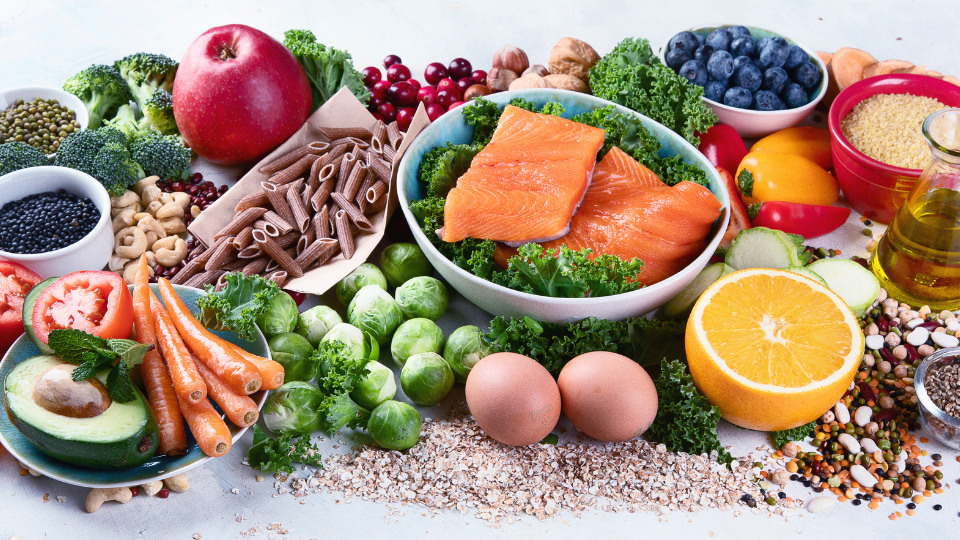
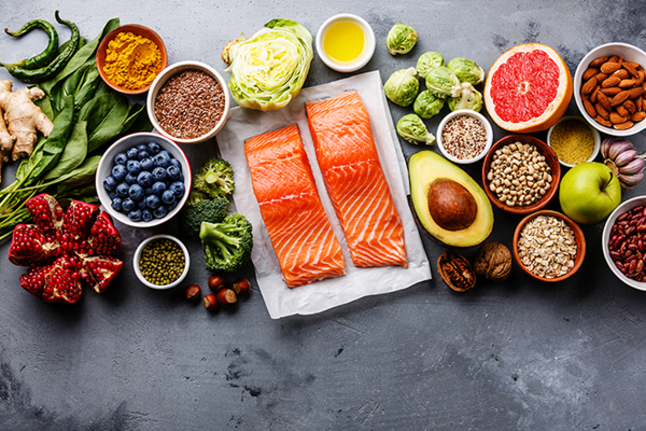
Certain foods are particularly effective at boosting energy naturally. Whole grains like oats, quinoa, and brown rice provide slow-releasing carbohydrates that keep blood sugar stable. Lean proteins such as eggs, chicken, and legumes help maintain muscle and prevent energy crashes. Nuts and seeds offer healthy fats that provide long-lasting fuel. Fruits and vegetables are packed with vitamins, minerals, and antioxidants that support energy metabolism. Including foods that boost energy in every meal can make a noticeable difference in how you feel throughout the day. For example, pairing a handful of almonds with a piece of fruit as a snack can give you a steady energy boost without a sugar crash.
Hydration and Its Impact on Energy
Even mild dehydration can cause fatigue, headaches, and difficulty concentrating. Drinking enough water throughout the day is essential for optimal energy production. Herbal teas, infused water, and water-rich foods like cucumbers and watermelon can also help maintain hydration. Staying energized with hydration is a simple but often overlooked strategy that can complement the benefits of good nutrition. Aim for consistent water intake rather than relying solely on caffeinated beverages, which can temporarily boost energy but lead to crashes later.
Lifestyle Factors That Complement Nutrition
Nutrition is only part of the equation for optimal energy. Quality sleep is crucial because it allows the body to repair itself and regulate hormones that influence energy levels. Managing stress through techniques such as meditation, deep breathing, or light exercise can prevent energy-draining cortisol spikes. Regular physical activity boosts circulation, improves metabolism, and naturally increases vitality. Combining these habits with healthy eating ensures you feel energized throughout the day. Simple changes like a short morning walk or a 10-minute breathing session can amplify the energy benefits of your diet.
Sample Daily Meal Plan for Maximum Energy
Here’s an example of a day designed to naturally increase energy:
- Breakfast: Oatmeal topped with berries and a sprinkle of chia seeds, paired with green tea.
- Snack: Apple slices with almond butter.
- Lunch: Quinoa salad with mixed vegetables, chickpeas, and olive oil dressing.
- Snack: Greek yogurt with a handful of walnuts.
- Dinner: Grilled salmon with roasted sweet potatoes and steamed broccoli.
This meal plan combines slow-releasing carbohydrates, lean proteins, healthy fats, and nutrient-rich vegetables, ensuring a steady supply of energy without crashes. Adjust portions and ingredients to fit your personal preferences and schedule.
Common Mistakes That Drain Your Energy
Many people unknowingly sabotage their energy levels. Over-reliance on caffeine or sugary snacks may provide a temporary boost but ultimately leads to crashes. Skipping meals disrupts blood sugar levels and reduces energy. Poor food combinations, such as high-fat meals with refined carbohydrates, can make digestion sluggish and leave you feeling tired. Recognizing and avoiding these pitfalls is key to maintaining consistent energy throughout the day.
FAQs About Improving Energy with Nutrition
Q: Can certain drinks help improve energy naturally? Yes, water, herbal teas, and beverages with electrolytes can support hydration and maintain energy. Limit sugary drinks and excessive caffeine to avoid crashes.
Q: How quickly can I notice results from changing my diet? Some people feel a difference within a few days, but for sustained energy improvements, consistent healthy eating habits over weeks are most effective.
Q: Are supplements necessary to increase energy? Most people can improve energy through a balanced diet. Supplements may help if you have specific deficiencies, but consult a healthcare professional first.
Q: Does breakfast really affect energy? Yes, a nutrient-rich breakfast stabilizes blood sugar and provides fuel for morning activities, improving focus and alertness.
Q: How can I maintain energy if I have a busy schedule? Prioritize balanced meals, carry healthy snacks, stay hydrated, and include brief movement or stretching breaks throughout the day.
Conclusion
Improving energy with nutrition doesn’t have to be complicated. By focusing on balanced meals, hydrating properly, and incorporating lifestyle habits like sleep, stress management, and physical activity, you can feel more energized and focused every day. Start by making small, manageable changes like adding energy-boosting foods or scheduling short activity breaks. Consistency is key, and over time, these strategies will help you enjoy sustained vitality and better overall well-being.