
Staying active can feel impossible when you have a hectic schedule, tight deadlines, or family commitments. However, home workouts for busy schedules make it easy to maintain your fitness without spending hours at the gym. With just a few simple exercises and minimal equipment, you can improve your strength, burn calories, and boost your energy—all from the comfort of your home. Whether you’re a beginner or have some experience with workouts, this fitnes guide will help you create an effective routine that fits seamlessly into your day. By the end, you’ll understand how to stay consistent, maximize results, and enjoy the benefits of a healthy lifestyle even when time is limited.
Introduction
Finding time to exercise is one of the biggest challenges in modern life. Busy professionals, parents, and students often sacrifice workouts due to packed schedules. Yet, neglecting physical activity can lead to weight gain, stress, fatigue, and long-term health problems. That’s where home workouts for busy schedules come in. They provide flexibility, convenience, and efficiency, making it possible to stay fit without a gym membership.
These workouts are designed to be short, targeted, and adaptable to any fitness level. You can focus on strength training, cardio, flexibility, or a combination, depending on your goals. The best part is you don’t need fancy equipment—your body weight, resistance bands, or a pair of dumbbells are enough. With a consistent plan, even 20–30 minutes a day can yield noticeable results over time.
In this article, we’ll explain what home workouts for busy schedules are, why they’re essential, and how to design a practical routine. You’ll also learn the benefits, common mistakes to avoid, and expert tips to maximize your progress. By integrating these exercises into your daily life, you can enjoy better energy, improved mood, and long-term health without compromising your time or priorities.
What is Home Workouts for Busy Schedules?
Home workouts for busy schedules refer to fitness routines performed at home that are tailored to fit within limited time frames. These workouts focus on efficiency and effectiveness, allowing you to train without traveling to a gym or spending hours exercising. They are designed for people with busy lives, using exercises that can target multiple muscle groups quickly.
Unlike traditional gym sessions, home workouts emphasize:
- Short, high-intensity sessions
- Minimal equipment usage
- Functional movements for strength, flexibility, and endurance
- Adaptable routines for beginners and intermediate fitness levels
The goal is to make physical activity accessible and practical. Even with just 15–30 minutes, a well-structured home workout can help you maintain or improve fitness, manage stress, and support overall health.
Why is Home Workouts for Busy Schedules Important?
Time constraints are the leading reason people skip exercise, but staying active is crucial for physical and mental well-being. Here’s why home workouts for busy schedules are important:
- Convenience: You can exercise anytime, even during lunch breaks or early mornings.
- Time Efficiency: Short, structured routines maximize results without consuming hours.
- Consistency: Working out at home eliminates excuses related to traffic, gym hours, or weather.
- Cost-effective: No membership fees or expensive equipment are needed.
- Mental Health Benefits: Exercise reduces stress, boosts mood, and improves sleep.
- Long-term Health: Regular activity prevents chronic diseases like diabetes, heart disease, and obesity.
By prioritizing home workouts, you can integrate fitness into your life rather than letting it compete with your schedule.
Detailed Step-by-Step Guide
Creating an effective home workout routine involves planning, selecting exercises, and ensuring proper form. Here’s a step-by-step guide for beginners and intermediate users.
Step 1: Assess Your Schedule
- Identify blocks of time for workouts (15–30 minutes).
- Aim for consistency rather than length; even short sessions work if done regularly.
- Consider morning, lunch, or evening slots based on your energy levels.
Step 2: Choose Your Workout Type
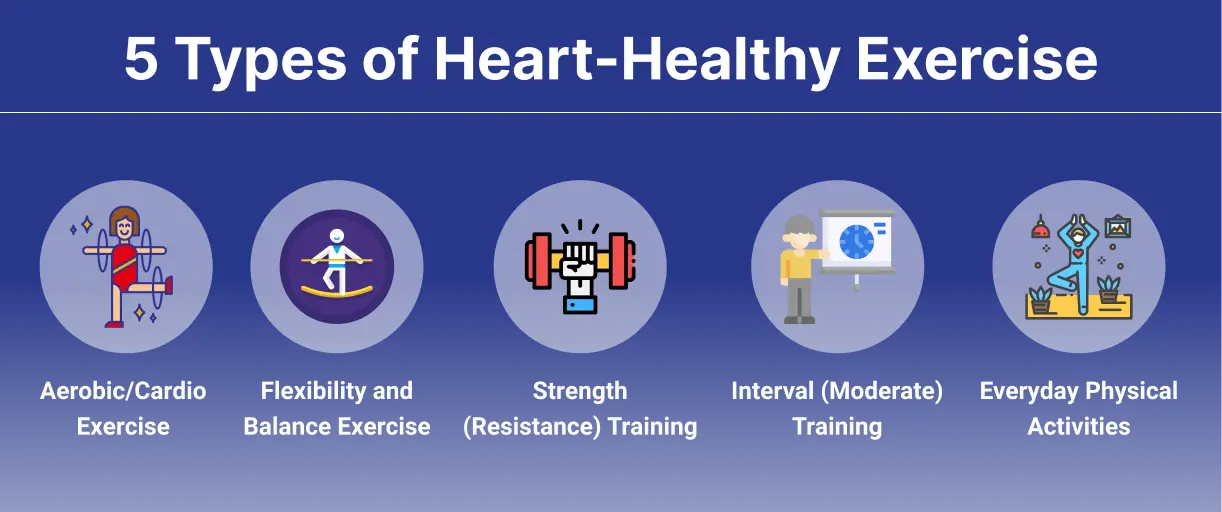
- Strength Training: Bodyweight exercises or light weights to tone muscles.
- Cardio: High-intensity interval training (HIIT) or jumping exercises to burn calories.
- Flexibility & Mobility: Stretching, yoga, or pilates to improve posture and reduce injury.
- Combination: A mix of strength, cardio, and flexibility in a single session.
Step 3: Prepare Minimal Equipment
- Resistance bands
- Dumbbells or kettlebells
- Yoga mat
- Stability ball (optional)
If equipment is unavailable, bodyweight exercises like squats, push-ups, lunges, and planks are sufficient.
Step 4: Warm-up (5 Minutes)
- Jumping jacks (1 minute)
- Arm circles (30 seconds each)
- Leg swings (30 seconds each)
- Gentle jogging in place (2 minutes)
A proper warm-up reduces injury risk and prepares muscles for activity.
Step 5: Core Home Workout Routine
Beginners (20–25 Minutes)
- Squats – 3 sets of 12 reps
- Push-ups – 3 sets of 10 reps
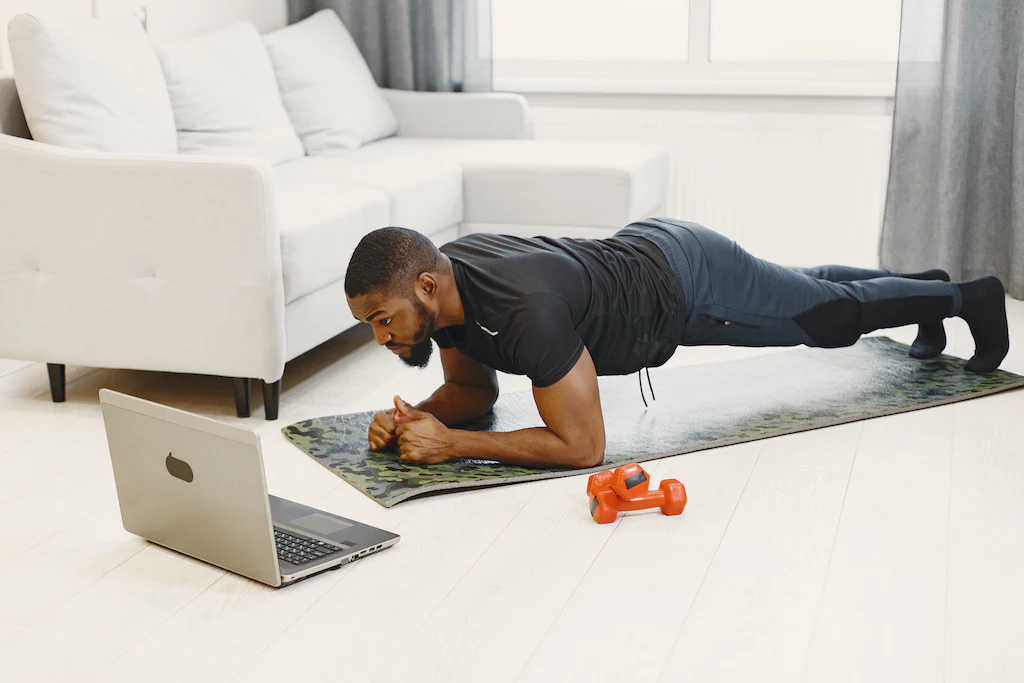
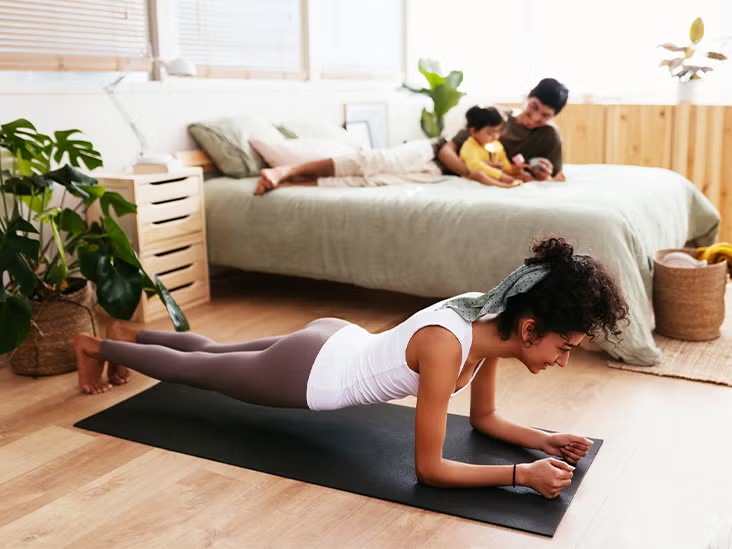
- Plank – 3 sets of 30 seconds
- Glute bridges – 3 sets of 12 reps
- Mountain climbers – 3 sets of 20 reps
Intermediate (25–30 Minutes)
- Jump squats – 3 sets of 15 reps
- Push-ups with shoulder taps – 3 sets of 12 reps
- Side plank – 3 sets of 30 seconds per side
- Bulgarian split squats – 3 sets of 12 reps per leg
- Burpees – 3 sets of 10 reps
- Russian twists – 3 sets of 20 reps
Step 6: Cool Down (5 Minutes)
- Forward fold stretch
- Shoulder stretch
- Quadriceps stretch
- Deep breathing exercises
Cooling down helps relax muscles and prevent soreness.
Benefits of Home Workouts for Busy Schedules
- Save time without sacrificing fitness
- Reduce stress and improve mood
- Enhance flexibility and mobility
- Strengthen muscles and improve endurance
- Boost metabolism and support weight management
- Improve posture and reduce back pain
- Increase energy levels and focus throughout the day
Disadvantages / Risks
- Limited access to heavy weights or specialized equipment
- Potential for poor form without guidance
- Risk of overtraining if not planned properly
- May lack social motivation compared to group workouts
- Requires self-discipline and consistency
Common Mistakes to Avoid
- Skipping warm-ups or cool-downs
- Doing too many exercises in a short time, leading to fatigue
- Ignoring proper form
- Over-relying on cardio while neglecting strength training
- Not adjusting intensity as fitness improves
- Comparing yourself to others on social media
FAQs
1. How long should a home workout last for busy schedules?
Even 15–30 minutes daily can be effective if done consistently. Short, focused routines often produce better adherence than long workouts.
2. Do I need equipment for home workouts?
No. Bodyweight exercises like squats, push-ups, planks, and lunges can provide excellent results. Equipment like dumbbells or resistance bands can enhance strength training.
3. How many times a week should I exercise at home?
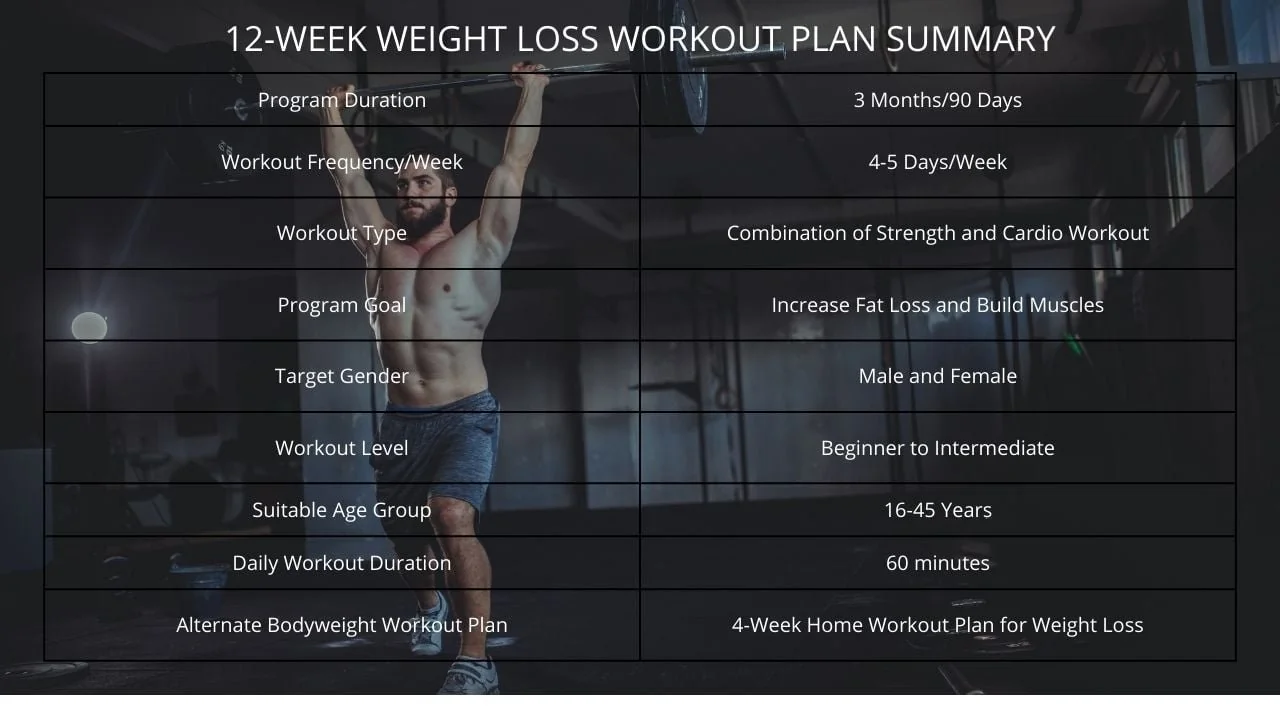
Aim for 4–5 times per week, mixing strength, cardio, and flexibility exercises. Rest days are essential to allow muscles to recover.
4. Can home workouts help with weight loss?
Yes. Combining strength and cardio exercises, along with a balanced diet, can help burn calories, build muscle, and support fat loss.
5. How can I stay motivated with home workouts?
Set goals, track progress, create a dedicated workout space, and follow routines that you enjoy. Short, achievable goals help maintain consistency.
6. Are home workouts safe for beginners?
Yes. Start with low-impact, bodyweight exercises, maintain proper form, and gradually increase intensity. Listen to your body to avoid injuries.
7. Can I replace gym workouts with home workouts?
Yes, for most fitness goals. Home workouts provide flexibility, convenience, and effective strength and cardio routines without requiring a gym.
8. How can I make workouts more effective in limited time?
Try circuit training or high-intensity interval training (HIIT), which target multiple muscle groups and maximize calorie burn in a short period.
Expert Tips & Bonus Points
- Schedule workouts like appointments to ensure consistency.
- Keep a fitness journal to track exercises, sets, and reps.
- Use online workout videos for guidance and variety.
- Focus on compound movements like squats and push-ups for maximum efficiency.
- Include proper nutrition, hydration, and sleep to complement workouts.
- Adjust intensity gradually to prevent injury and ensure progress.
- Mix strength, cardio, and mobility exercises for a balanced routine.
- Reward yourself for milestones to maintain motivation.
Conclusion
Home workouts for busy schedules are a practical, effective way to stay fit, healthy, and energized despite time constraints. They provide flexibility, convenience, and efficiency, allowing you to maintain a consistent routine without spending hours at the gym. Whether you are a beginner or intermediate fitness enthusiast, bodyweight exercises, short circuits, and minimal equipment routines can deliver impressive results. By prioritizing regular movement, maintaining proper form, and following a balanced plan, you can achieve your fitness goals, improve mental health, and enjoy long-term benefits. Consistency is key, and even small daily efforts can lead to significant improvements in strength, endurance, and overall well-being. Start today, and make fitness an integral part of your busy lifestyle.