
Introduction
In today’s fast-paced world, maintaining a strong immune system is more important than ever. A robust immune system not only helps prevent infections but also keeps your body functioning at its best. While modern medicine offers many solutions, herbal remedies for immunity provide a natural and holistic approach to enhancing your body’s defenses.
Herbs have been used for centuries across cultures to strengthen the immune system, improve overall health, and prevent illnesses. Unlike synthetic supplements, herbal & home remedies work gently with your body, supporting long-term wellness. From boosting energy levels to fighting infections, these natural solutions offer multiple benefits.
Many people struggle with low immunity due to stress, poor diet, lack of sleep, and environmental factors. Incorporating herbal remedies into your daily routine can help address these challenges naturally. With proper knowledge and use, herbs can play a vital role in improving immune function, enhancing vitality, and maintaining overall health.
In this article, we will explore the most effective herbal remedies for immunity, explain why they are important, provide a step-by-step guide on how to use them, and highlight their benefits, risks, and expert tips. Whether you are a beginner or someone familiar with herbal care, this comprehensive guide will help you strengthen your immune system naturally and safely.
What is Herbal Immunity?
Herbal immunity refers to the use of plants and natural compounds to enhance the body’s defense mechanisms. It involves herbs that contain bioactive compounds like antioxidants, vitamins, and minerals that strengthen immune responses and reduce susceptibility to infections.
Common herbs used for immunity include:
- Echinacea: Known for its ability to reduce the duration of colds.
- Turmeric: Contains curcumin, which has anti-inflammatory and antioxidant properties.
- Ginger: Supports digestion and boosts immune function.
- Garlic: Acts as a natural antibacterial and antiviral agent.
- Tulsi (Holy Basil): Strengthens immunity and helps combat stress.
Herbal remedies work in two main ways: they either stimulate the immune system to respond more efficiently or help balance the immune response to prevent overactivity. Unlike some medications, herbal solutions often provide multiple benefits, such as reducing inflammation, supporting gut health, and promoting general wellness.
Why is Herbal Immunity Important?
Maintaining strong immunity is critical for preventing illnesses, recovering faster, and living a healthier life. Herbal remedies for immunity are particularly important because they:
- Support Natural Defense: They enhance the body’s ability to fight infections naturally.
- Provide Antioxidants: Protect cells from damage caused by free radicals.
- Reduce Inflammation: Chronic inflammation can weaken the immune system.
- Improve Energy and Vitality: Healthy immunity contributes to overall well-being.
- Promote Holistic Health: Herbs often support digestion, mental health, and cardiovascular function alongside immunity.
Incorporating herbal remedies into your daily routine can provide long-term benefits, especially for individuals prone to frequent infections or seasonal illnesses. Unlike synthetic supplements, these herbs work gently with the body, reducing the risk of side effects while promoting overall health.
Detailed Step-by-Step Guide to Herbal Remedies for Immunity
Boosting your immunity naturally requires a combination of the right herbs, consistent usage, and healthy lifestyle practices. Below is a step-by-step guide to using herbal remedies effectively.
Step 1: Choose the Right Herbs
Select herbs that match your health needs and immune goals. Some of the most effective options include:
- Echinacea: Best for short-term use during cold and flu season.
- Turmeric: Ideal for daily anti-inflammatory support.
- Ginger: Effective for digestive health and immune function.
- Garlic: Useful as a daily preventive herb.
- Tulsi (Holy Basil): Helps reduce stress and improve immune balance.
- Astragalus: Supports long-term immune resilience.
Step 2: Determine Dosage and Form
Herbs are available in various forms, including fresh, dried, powdered, capsules, tinctures, and teas. Dosage depends on the herb, age, and individual health condition.
- Teas: Use 1–2 teaspoons of dried herbs per cup of hot water.
- Capsules or Tablets: Follow label instructions for daily intake.
- Tinctures: Typically, 1–2 ml diluted in water, 2–3 times daily.
- Fresh Herbs: Incorporate into cooking for natural benefits.
Step 3: Combine Herbs Wisely
Some herbs complement each other and can be combined for enhanced immunity. For example:
- Ginger + Turmeric: Powerful anti-inflammatory blend.
- Garlic + Tulsi: Boosts immune defense and reduces stress.
- Echinacea + Astragalus: Strengthens resistance during cold season.
Always check compatibility to avoid side effects or interactions with medications.
Step 4: Establish a Routine
Consistency is crucial when using herbal remedies for immunity.
- Drink herbal teas daily or include fresh herbs in meals.
- Take supplements at the same time each day for steady benefits.
- Monitor your body’s response and adjust dosage as needed.
Step 5: Support Immunity with Lifestyle
Herbal remedies work best when combined with healthy habits:
- Balanced Diet: Include fruits, vegetables, whole grains, and lean proteins.
- Regular Exercise: Enhances immune cell function and overall health.
- Adequate Sleep: Rest is vital for immune regeneration.
- Stress Management: Yoga, meditation, and deep breathing reduce immune suppression.
Step 6: Monitor Health and Adjust
Keep a journal to track your herbal use, diet, sleep, and overall health. Adjust your regimen based on results and consult a healthcare provider if necessary.
Benefits of Herbal Remedies for Immunity

Using herbal remedies for immunity offers multiple advantages:
- Strengthens the immune system naturally
- Reduces the risk of infections and illnesses
- Supports long-term health and vitality
- Provides antioxidants that protect cells
- Reduces inflammation in the body
- Enhances mental clarity and reduces stress
- Improves digestion and nutrient absorption
- Safe and gentle compared to synthetic supplements
Disadvantages / Risks
While herbal remedies are generally safe, there are some potential risks:
- Possible allergic reactions to certain herbs
- Interactions with prescription medications
- Overconsumption may cause digestive upset or nausea
- Not suitable for all individuals, especially pregnant or breastfeeding women
- Herbal remedies may not replace medical treatment for serious illnesses
Common Mistakes to Avoid
Many beginners make simple errors when using herbal remedies for immunity. Avoid these mistakes:
- Skipping Consultation: Always check with a healthcare professional if you have existing conditions.
- Overusing Herbs: Excessive intake can cause side effects.
- Ignoring Diet and Lifestyle: Herbs alone cannot compensate for poor nutrition or lack of sleep.
- Assuming All Herbs Are Safe: Some herbs may interact with medications.
- Expecting Immediate Results: Herbal remedies work gradually and require consistency.
- Using Expired Herbs: Old herbs lose potency and effectiveness.
FAQs
1. Which herb is best for boosting immunity?
Tulsi, Echinacea, and Astragalus are widely recognized for their immune-enhancing properties. Tulsi is especially effective for reducing stress-related immune suppression.
2. Can herbal remedies prevent colds and flu?
While no remedy guarantees prevention, herbs like Echinacea, garlic, and turmeric reduce the severity and duration of infections. Regular use supports natural defenses.
3. How should I consume these herbs?
Herbs can be consumed as teas, capsules, tinctures, powders, or fresh in meals. The form depends on personal preference and convenience.
4. Are herbal remedies safe for children?
Some herbs are safe for children in small doses, such as ginger or chamomile. However, always consult a pediatrician before administering herbs.
5. How long does it take to see results?
Effects vary by herb and individual. Generally, consistent use for 2–4 weeks shows noticeable improvements in immunity and overall wellness.
6. Can herbal remedies replace vaccines?
No, herbal remedies support immunity but do not replace vaccines. They are complementary approaches to maintaining health.
7. Can stress affect immunity even with herbs?
Yes, chronic stress can weaken immune function. Combining herbal remedies with stress management practices yields the best results.
8. Is it safe to mix multiple herbs?
Yes, when done thoughtfully. Some combinations enhance benefits, but check interactions and start with small doses.
Expert Tips & Bonus Points
- Keep a Health Journal: Track herbs, dosage, sleep, diet, and symptoms for better results.
- Rotate Herbs: Vary herbs periodically to maximize benefits and prevent tolerance.
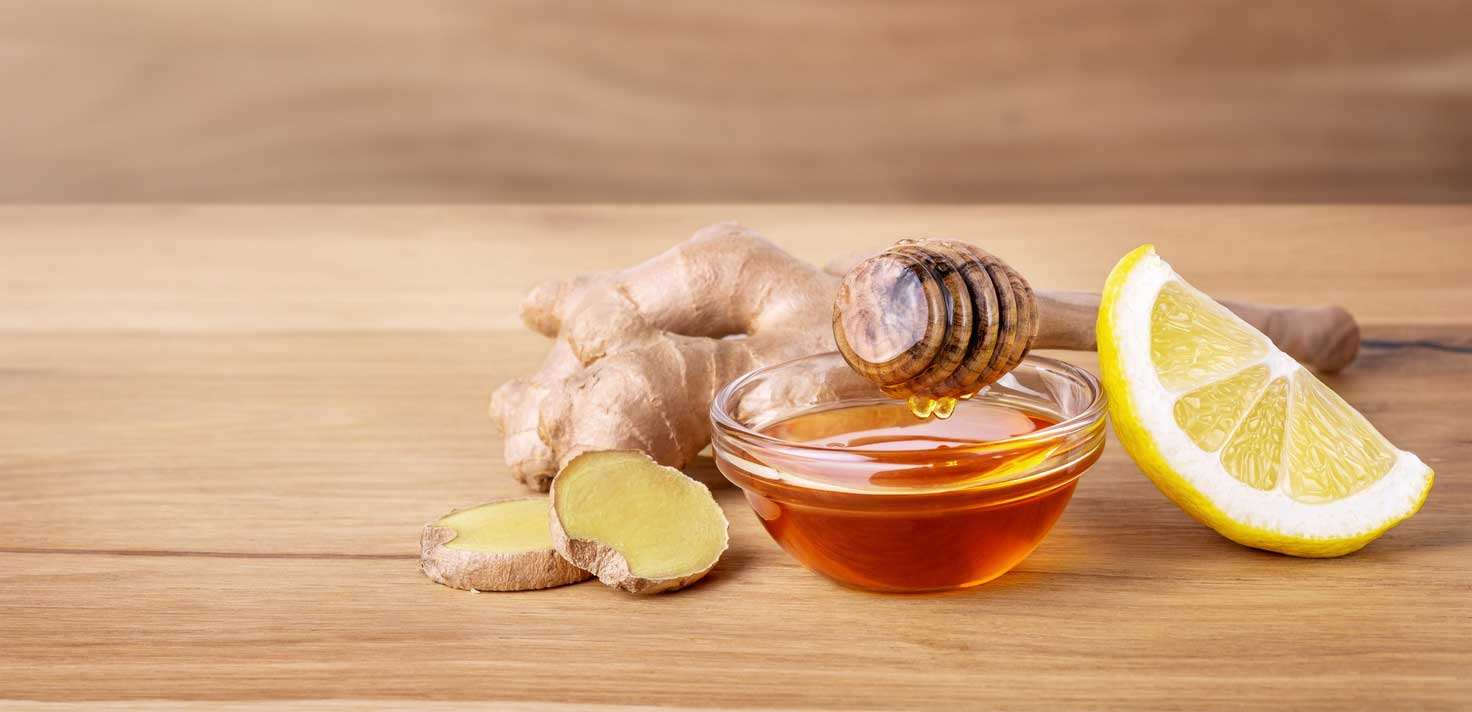
- Combine with Superfoods: Lemon, honey, and berries complement herbal immunity.
- Use Fresh Herbs When Possible: Fresh herbs retain more active compounds than dried versions.
- Stay Hydrated: Water enhances the absorption and effectiveness of herbal remedies.
Bonus Tip: Herbal remedies for immunity are most effective when integrated into a lifestyle of balanced nutrition, regular exercise, adequate sleep, and stress management. Consistency and mindful use are key to long-term immune resilience.
Conclusion
Herbal remedies for immunity offer a natural, safe, and effective way to strengthen your body’s defenses. With centuries of traditional use, these herbs provide antioxidants, anti-inflammatory compounds, and immune-boosting nutrients that support overall health.
Incorporating herbs like Tulsi, Echinacea, garlic, turmeric, and ginger into your daily routine can help prevent infections, enhance vitality, and improve well-being. Coupled with healthy lifestyle practices such as a balanced diet, regular exercise, adequate sleep, and stress management, these remedies deliver maximum benefits.
It is important to use herbal remedies responsibly, monitor your health, and consult a healthcare professional when needed. While they are not a substitute for medical treatment, they serve as a powerful complement to conventional approaches.
By embracing herbal remedies for immunity, you invest in your long-term health, protect yourself from illnesses, and enjoy a stronger, more resilient body. Start gradually, stay consistent, and experience the holistic benefits of nature’s immunity boosters.