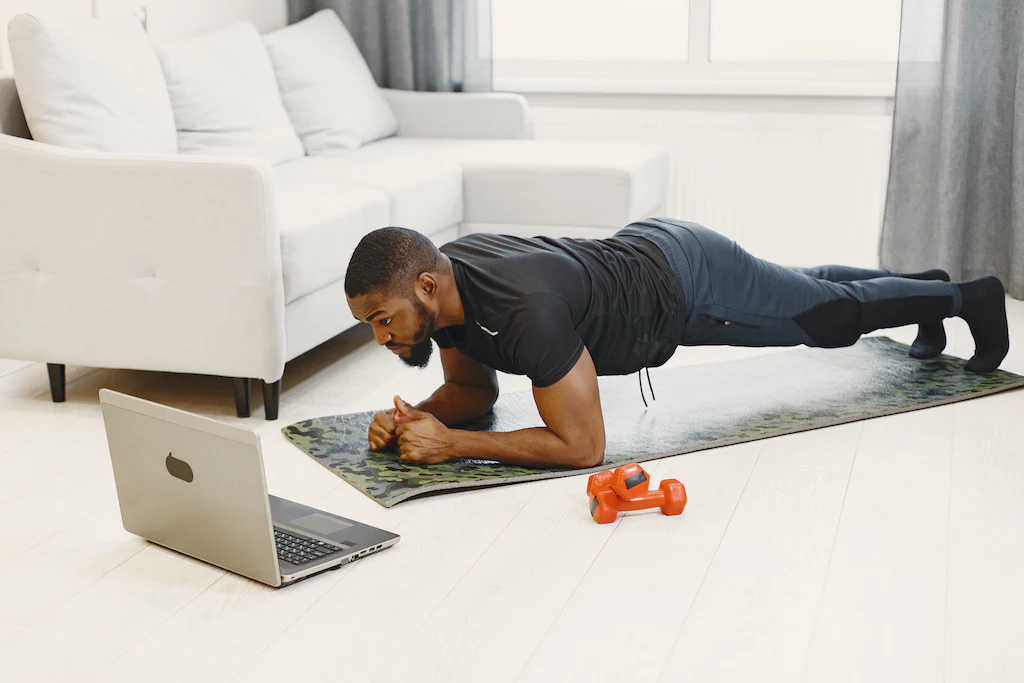

Losing weight can feel overwhelming, especially with the countless diets and workout trends online. The truth is, successful weight loss requires a combination of consistent exercise, smart nutrition, and lifestyle changes. This comprehensive fitness guide for weight loss is designed for beginners and intermediate readers who want a practical, easy-to-follow approach. In the first 100 words, it’s important to focus on achievable steps, avoid confusion, and build confidence. By understanding the basics and gradually integrating the tips in this guide, you can achieve a healthier body, boost your energy levels, and improve overall well-being. Whether you’re just starting or looking to enhance your current routine, this guide will provide clarity and structure for lasting results.
What is a Fitness Guide for Weight Loss?
A fitness guide for weight loss is a structured plan combining exercise routines, nutritional advice, and lifestyle strategies to help individuals reduce body fat and improve fitness. Unlike fad diets or extreme workout programs, a proper guide emphasizes sustainable habits rather than quick fixes. It provides:
- Clear exercise routines suitable for different fitness levels
- Meal and nutrition tips for burning fat efficiently
- Lifestyle adjustments, including sleep, stress management, and hydration
- Motivation strategies to stay consistent
Essentially, it’s a roadmap that shows you exactly how to move, eat, and live healthier to reach your weight loss goals without compromising your well-being.
Why is a Fitness Guide for Weight Loss Important?
Weight loss is not just about looking good; it’s about improving health, energy, and confidence. Here’s why following a structured guide matters:
- Prevents injuries: Beginners often make mistakes in exercise form or intensity, which can lead to strains
- Enhances motivation: A clear plan keeps you accountable and reduces procrastination
- Improves results: Structured workouts and proper nutrition accelerate fat loss more effectively than random routines
- Builds habits: A fitness guide helps create long-term habits rather than temporary changes
- Supports overall wellness: Alongside weight loss, you improve heart health, mental clarity, and sleep patterns
Without a plan, many people either give up early or lose weight in unhealthy ways, leading to frustration and setbacks. Following a fitness guide for weight loss ensures a balanced, safe, and effective approach.
Detailed Step-by-Step Guide
Step 1: Assess Your Current Fitness Level
Before starting, understand your body’s abilities. Track:
- Weight, BMI, and waist circumference
- Flexibility and mobility
- Endurance (e.g., how long you can jog or walk comfortably)
This helps in selecting exercises that are challenging but safe. Beginners may start with light cardio and bodyweight exercises, while intermediate users can add resistance training and higher-intensity workouts.
Step 2: Set Realistic Goals
Define short-term and long-term goals. For example:
- Short-term: Lose 1–2 pounds per week
- Long-term: Reduce body fat by 10% in 3 months
SMART goals (Specific, Measurable, Achievable, Relevant, Time-bound) are more effective than vague targets like “I want to lose weight.”
Step 3: Create a Balanced Exercise Routine
A good routine includes cardio, strength training, and flexibility exercises:
Cardio (3–5 times per week):
- Brisk walking or jogging for 20–40 minutes
- Cycling or swimming
- HIIT (High-Intensity Interval Training) for advanced users
Strength Training (2–4 times per week):
- Bodyweight exercises: squats, push-ups, lunges
- Dumbbells or resistance bands
- Focus on major muscle groups to boost metabolism
Flexibility & Recovery:
- Stretching before and after workouts
- Yoga or Pilates for balance and core strength
- Adequate rest days to prevent fatigue
Step 4: Nutrition for Weight Loss
Exercise alone is not enough; nutrition plays a key role.
- Eat a balanced diet: Include lean protein, complex carbs, and healthy fats
- Control portions: Avoid oversized meals and practice mindful eating
- Stay hydrated: Water aids metabolism and reduces unnecessary snacking
- Limit processed foods: Reduce sugar, fried foods, and refined carbs
- Include fiber-rich foods: Fruits, vegetables, and whole grains keep you full longer
Step 5: Track Progress
Monitoring progress motivates and ensures you stay on track:
- Take weekly body measurements and photos
- Track workouts and calories using apps or journals
- Adjust routines if results plateau
Step 6: Lifestyle Adjustments
Small lifestyle changes make a big difference:
- Sleep 7–9 hours daily to regulate hormones that control hunger
- Manage stress through meditation, walking, or hobbies
- Avoid alcohol and smoking which can slow weight loss
Benefits of a Fitness Guide for Weight Loss

- Helps achieve fat loss without losing muscle mass
- Boosts metabolism and energy levels
- Improves cardiovascular health
- Enhances mental clarity and mood
- Strengthens muscles, bones, and joints
- Promotes sustainable, long-term health habits
Disadvantages / Risks
- Overtraining can cause injuries or fatigue
- Following a generic plan may not suit everyone’s body type
- Unrealistic goals can lead to frustration or burnout
- Ignoring proper form increases risk of muscle strains
- Excessive calorie restriction can slow metabolism
Common Mistakes to Avoid
- Relying solely on cardio without strength training
- Skipping meals or starving to lose weight quickly
- Neglecting hydration and sleep
- Comparing your progress to others
- Ignoring flexibility and recovery days
- Overestimating calorie burn from exercise
Frequently Asked Questions (FAQs)
1. How often should I exercise for weight loss?
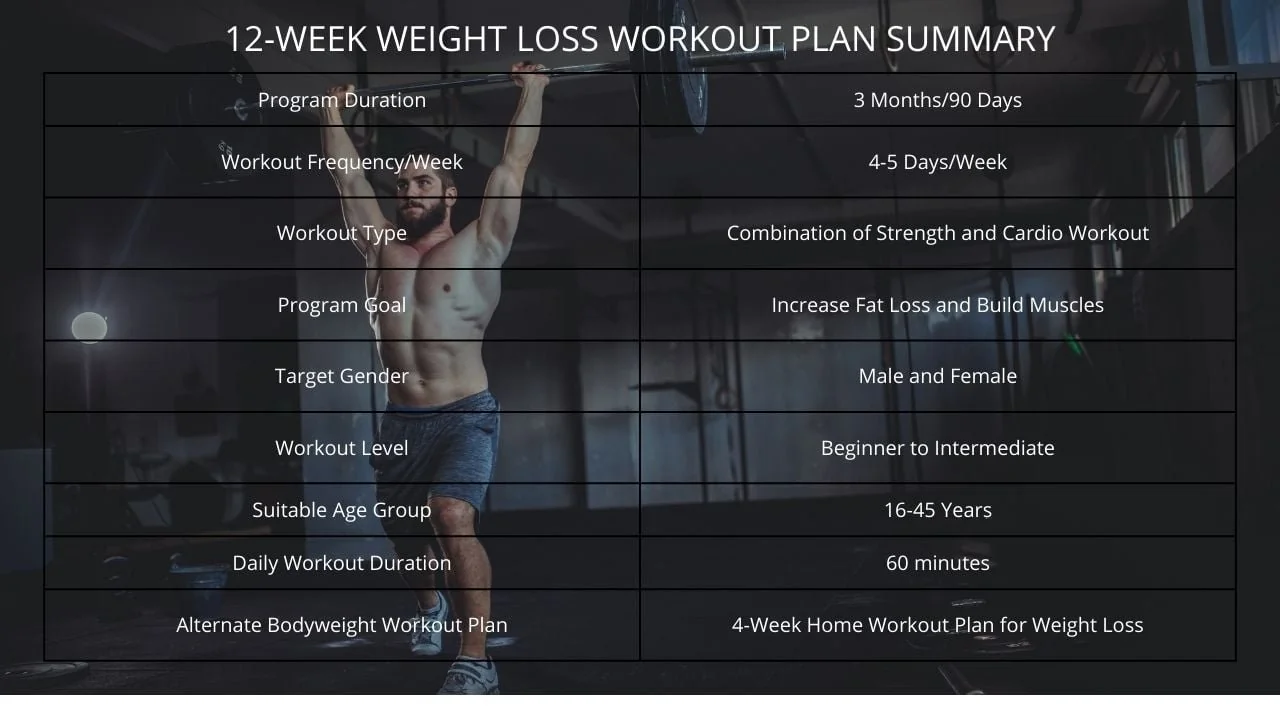
Aim for 4–6 days per week, combining cardio and strength training. Consistency matters more than intensity initially.
2. Can I lose weight without dieting?
Yes, but diet significantly accelerates results. Exercise alone may not create enough calorie deficit for noticeable fat loss.
3. Is it better to do cardio or strength training first?
It depends on goals. For fat loss, alternate between cardio and strength. Some prefer cardio first to warm up; others do strength first to maximize muscle building.
4. How quickly can I see results?
Beginners may notice changes in 3–4 weeks with consistent workouts and proper nutrition. Intermediate users may see more gradual improvements.
5. Can I work out at home instead of the gym?
Absolutely. Bodyweight exercises, resistance bands, and minimal equipment workouts are highly effective for weight loss.
6. Should I take supplements for weight loss?
Supplements are not necessary if you maintain a balanced diet. Protein powders, vitamins, or omega-3s can help, but avoid relying solely on them.
7. How important is sleep for weight loss?
Very important. Poor sleep increases hunger hormones and reduces metabolism, making fat loss harder.
8. What if I hit a plateau?
Switch your routine, increase intensity, or adjust diet. Your body adapts over time, so variety is key to continued progress.
Expert Tips & Bonus Points
- Warm-up and cool-down: 5–10 minutes of light cardio reduces injury risk
- Use a workout journal: Track exercises, sets, reps, and progress
- Mix workouts: Combine HIIT, strength, and low-intensity cardio for variety
- Meal prep: Planning meals prevents impulsive unhealthy choices
- Stay accountable: Join online communities or work out with a partner
- Listen to your body: Rest when needed and avoid overtraining
- Celebrate milestones: Reward yourself with non-food incentives like new workout gear
Conclusion
A fitness guide for weight loss is more than just a set of exercises; it’s a complete roadmap for transforming your body and lifestyle. By combining structured workouts, smart nutrition, and healthy habits, you can achieve sustainable fat loss while improving overall wellness. Beginners should focus on building consistency, learning proper form, and gradually increasing intensity, while intermediate users can refine routines and push for better results. Remember, weight loss is a journey, not a race, and small, consistent actions create lasting change. With the tips, routines, and insights provided in this guide, you can confidently start your fitness journey, stay motivated, and reach your goals without compromising your health. Commit to yourself, track your progress, and enjoy the process—your healthier, stronger self awaits.