
Embarking on a fitness journey can feel overwhelming, especially if you are just starting. From choosing the right exercises to understanding nutrition, there’s a lot to consider. This Fitness Guide for Beginners is designed to simplify everything for you. Whether your goal is to lose weight, build strength, or simply stay active, this guide provides clear, practical steps to help you start safely and confidently. By following the advice in this guide, you’ll learn how to create a sustainable routine, avoid common mistakes, and stay motivated as you progress. Fitness doesn’t have to be intimidating—this guide breaks it down in simple, easy-to-follow steps for beginners and even intermediate readers who want to refresh their routines.
What is a Fitness Guide for Beginners?
A Fitness Guide for Beginners is a structured plan designed to introduce people to physical activity safely and effectively. It covers the fundamentals of exercise, including strength training, cardio, flexibility, and balance. It also includes guidance on nutrition, rest, and lifestyle habits that support long-term health. This type of guide helps you understand your body’s capabilities, avoid injuries by teaching proper form, build a consistent exercise habit, and set realistic goals based on your fitness level. Essentially, it’s a roadmap for anyone starting their fitness journey, making the process less confusing and more achievable.
Why is a Fitness Guide for Beginners Important?
Starting a fitness journey without proper guidance can lead to injuries, frustration, or even giving up altogether. A beginner’s fitness guide provides structure, safety, and motivation. Here’s why it matters:
- Prevents Injuries: Learning proper form and pacing yourself reduces the risk of strains, sprains, and overuse injuries.
- Builds Confidence: A clear plan helps beginners feel more in control and motivated to continue.
- Promotes Long-Term Success: Gradual progression ensures that you develop sustainable habits rather than quick fixes.
- Enhances Overall Health: Regular physical activity improves cardiovascular health, muscle strength, flexibility, and mental well-being.
- Saves Time: Structured guidance helps you focus on exercises that actually matter instead of wasting time guessing what to do.
For beginners, having a trusted guide can be the difference between sticking with a fitness routine and quitting before seeing results.
Detailed Step-by-Step Guide
Step 1: Set Realistic Goals
Before starting, define your purpose. Are you trying to lose weight, gain muscle, improve endurance, or simply stay active? Use the SMART method:
- Specific: “I want to run 2 miles without stopping.”
- Measurable: Track your progress weekly.
- Achievable: Start with manageable targets.
- Relevant: Focus on goals that matter to you.
- Time-bound: Set deadlines to keep yourself accountable.
Clear goals give you direction and motivation, making your fitness journey more effective.
Step 2: Assess Your Fitness Level
Understanding your starting point helps prevent injury and frustration. Check your stamina (how long you can walk, jog, or cycle), strength (bodyweight exercises like push-ups or squats), flexibility (ability to stretch comfortably), and balance (standing on one foot, core stability exercises). This assessment will help you choose exercises that match your capabilities.
Step 3: Create a Balanced Workout Routine
A well-rounded beginner routine includes:
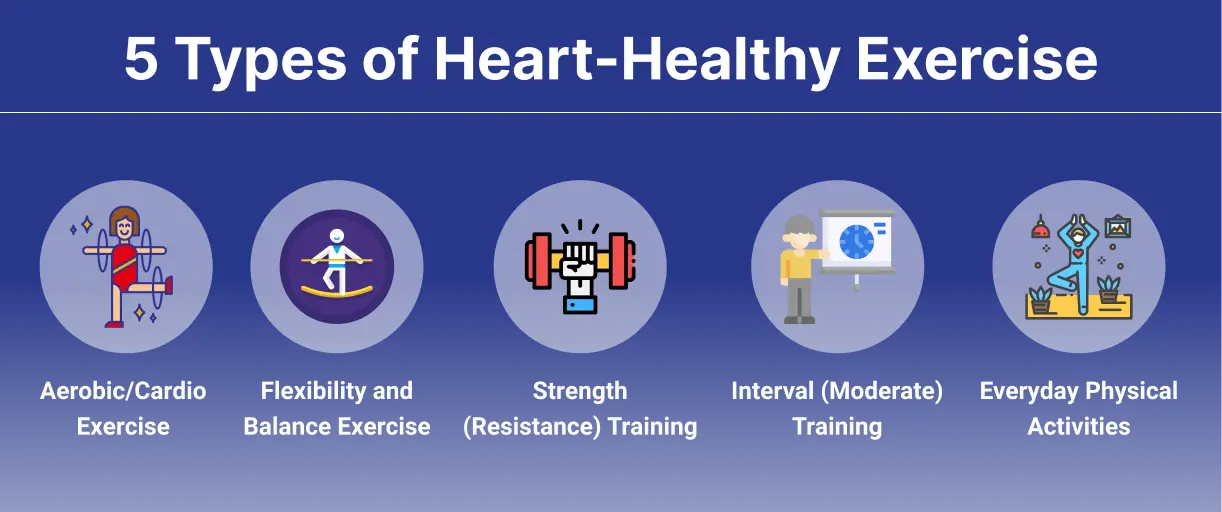
- Cardio (3–5 days per week): Walking, jogging, cycling, or swimming for 20–40 minutes per session.
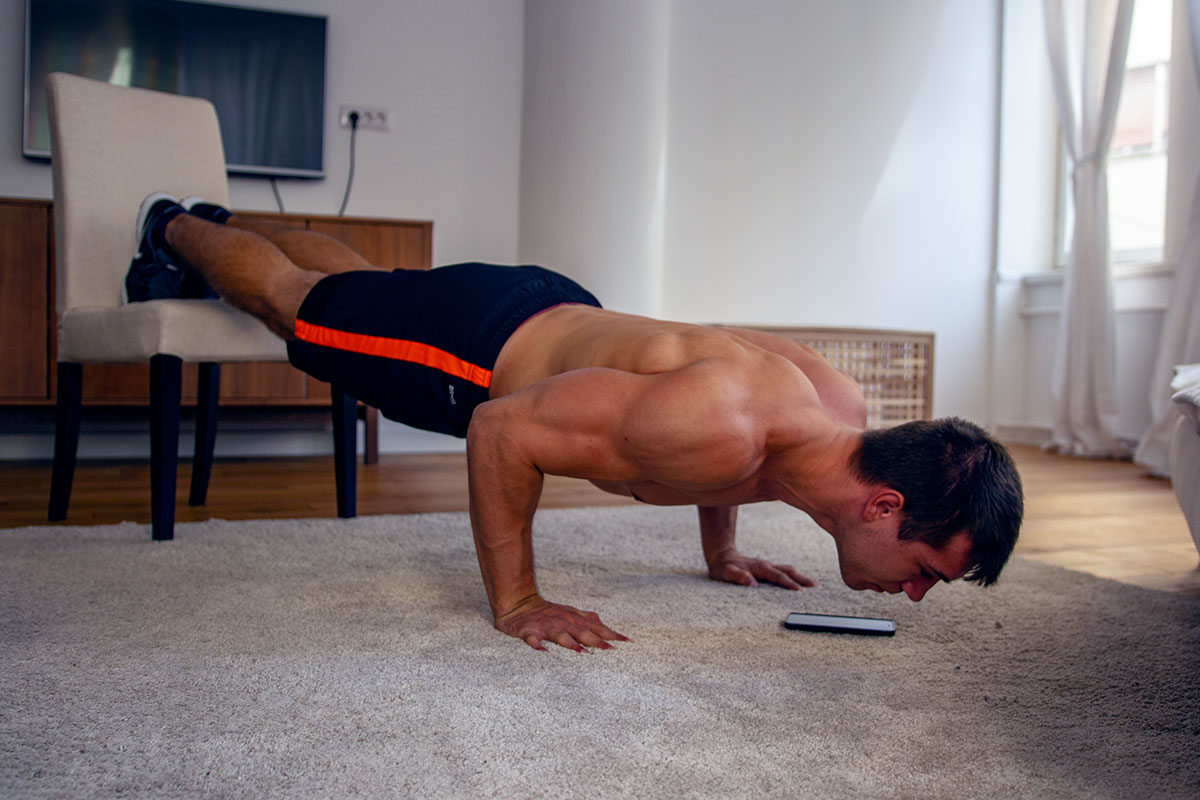
- Strength Training (2–3 days per week): Bodyweight exercises (push-ups, squats, lunges), free weights, or resistance bands.
- Flexibility and Mobility (daily or post-workout): Stretching, yoga, or foam rolling.
- Rest and Recovery: At least one full rest day per week and 7–9 hours of sleep.
Step 4: Learn Proper Form
Proper technique is critical to avoid injuries. For beginners: watch instructional videos or attend beginner classes, focus on controlled movements, avoid lifting weights that are too heavy, and start with 10–15 repetitions per set, gradually increasing.
Step 5: Nutrition Basics
Fitness isn’t just about exercise—nutrition fuels your body. Beginners should focus on protein (chicken, eggs, beans, tofu), complex carbs (whole grains, fruits, vegetables), healthy fats (avocados, nuts, olive oil), and hydration (at least 8 glasses of water daily). Avoid excessive sugar and processed foods for best results.
Step 6: Track Your Progress
Keep a fitness journal or use apps to track exercises completed, duration and intensity, weight lifted or repetitions, and body measurements or weight changes. Tracking progress keeps you motivated and helps adjust your routine when necessary.
Step 7: Stay Consistent and Motivated
Consistency is key. Tips for staying motivated include exercising at the same time each day, finding a workout buddy or joining a group, rewarding yourself for milestones, and mixing up routines to prevent boredom.
Benefits of a Fitness Guide for Beginners
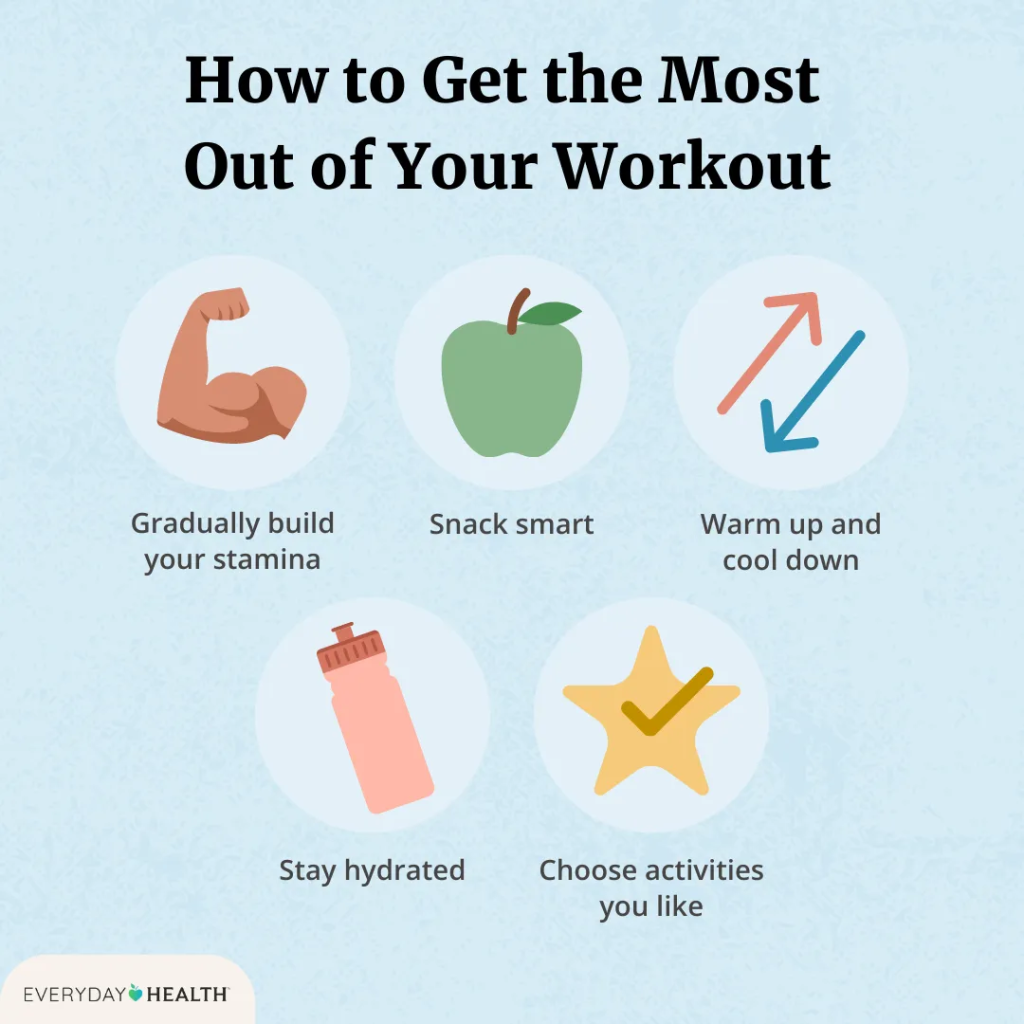
- Improved cardiovascular health
- Increased muscle strength and endurance
- Better flexibility and balance
- Enhanced mood and reduced stress
- Weight management and fat loss
- Improved sleep quality
- Boosted energy and productivity
- Long-term healthy habits
Disadvantages / Risks
- Risk of injury if exercises are performed incorrectly
- Possible overtraining leading to fatigue or soreness
- Frustration if progress is slow
- Time commitment required for consistency
- Potential dietary mistakes if nutrition is neglected
Common Mistakes to Avoid
- Skipping warm-ups or cool-downs
- Using improper form or lifting too heavy
- Expecting quick results and getting discouraged
- Ignoring nutrition and hydration
- Exercising inconsistently
- Not giving the body enough rest
FAQs
1. How often should beginners work out?
Beginners should aim for 3–5 days of moderate exercise per week, mixing cardio, strength, and flexibility. Start small and gradually increase intensity.
2. Do I need a gym to get fit?
No. Beginners can start with bodyweight exercises, walking, running, or home workouts. Gym equipment can be added later for variety and progression.
3. How long before I see results?
Results vary depending on effort, diet, and consistency. Most beginners notice improvements in energy and strength within 4–6 weeks.
4. Can I lose weight without dieting?
Exercise alone helps, but combining it with a balanced diet accelerates weight loss and improves overall health.
5. How do I avoid injuries?
Focus on proper form, warm-up before workouts, start gradually, and include rest days. Listen to your body’s signals.
6. Is cardio or strength training more important?
Both are important. Cardio improves heart health and stamina, while strength training builds muscle and boosts metabolism. A balanced program is ideal.
7. Can beginners do high-intensity workouts?
Yes, but only after building a fitness base. Start with moderate intensity and gradually increase as stamina improves.
8. How important is sleep for beginners?
Very important. Sleep allows muscles to recover, supports energy levels, and improves mental focus. Aim for 7–9 hours per night.
Expert Tips & Bonus Points
- Warm-Up Matters: Always start with 5–10 minutes of light cardio and dynamic stretches.
- Listen to Your Body: Don’t push through sharp pain. Modify exercises if needed.
- Progress Gradually: Increase weights, reps, or intensity slowly to avoid burnout.
- Include Variety: Mix cardio, strength, flexibility, and balance exercises to prevent boredom.
- Stay Hydrated: Water is essential before, during, and after workouts.
- Track Non-Scale Wins: Celebrate improved stamina, strength, and mood, not just weight loss.
- Mindset is Key: Focus on consistency rather than perfection. Fitness is a lifelong journey.
Conclusion
Starting a fitness journey can seem intimidating, but with a structured Fitness Guide for Beginners, it becomes manageable and enjoyable. By setting realistic goals, assessing your fitness level, creating a balanced routine, and focusing on proper nutrition and recovery, you can achieve long-term health benefits. Avoid common mistakes, track progress, and stay consistent to see tangible results over time. Remember, fitness is not just about appearance—it’s about feeling stronger, healthier, and more energized in daily life. Whether you’re a beginner or someone returning to exercise after a break, following this guide will help you build confidence, establish sustainable habits, and enjoy a healthier, more active lifestyle for years to come.