
Introduction
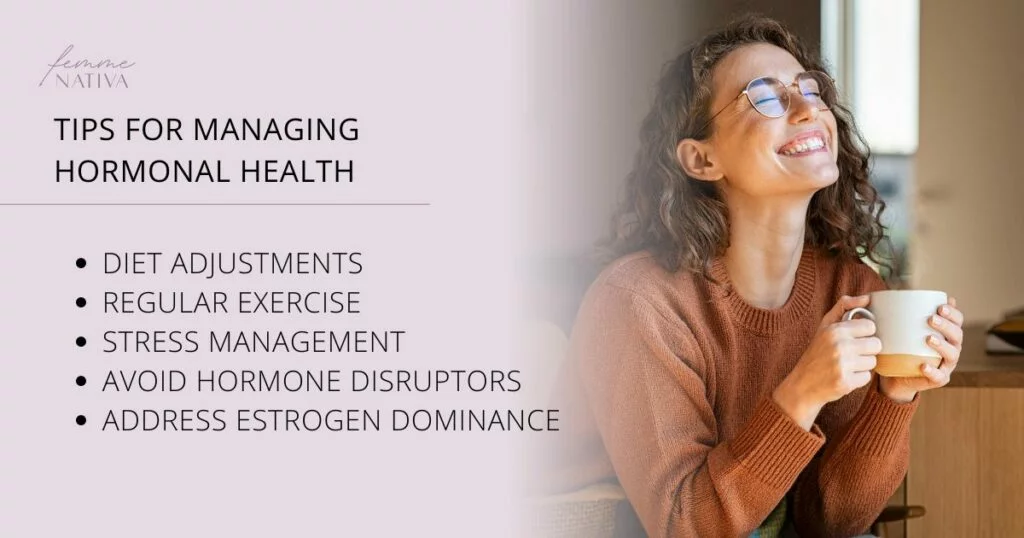
Stress affects women in unique ways, often combining pressures from work, family, and personal responsibilities. Managing stress effectively is crucial for physical, emotional, and mental well-being. Stress management for women involves techniques and strategies that reduce anxiety, improve focus, and maintain overall health. When stress is ignored, it can lead to sleep problems, fatigue, hormonal imbalance, and even long-term health issues.
Many women struggle to find practical ways to cope with stress due to busy schedules or lack of awareness. This guide provides beginner-friendly and intermediate strategies to manage stress without feeling overwhelmed. By adopting simple lifestyle changes, mindfulness practices, and self-care routines, women wellness can regain control over their mental state, boost energy levels, and improve overall quality of life. Stress management for women is not just about avoiding stress but learning how to respond to it in healthy, sustainable ways.
What is Stress Management for Women?
Stress management for women refers to the conscious practice of controlling stress levels through techniques that reduce its negative impact. It focuses on both mental and physical approaches to handle daily pressures. Women may experience stress differently than men due to hormonal fluctuations, multitasking responsibilities, and social expectations.
Stress management techniques can include physical activities, relaxation exercises, time management, and emotional support. The goal is not to eliminate stress completely but to manage it effectively, preventing burnout and improving resilience. Proper stress management also helps women maintain balance in personal and professional life while enhancing overall well-being.
Why is Stress Management for Women Important?
Effective stress management is vital for women’s health and quality of life. Here are key reasons why it matters:
- Supports Mental Health: Reduces anxiety, depression, and mood swings.
- Enhances Physical Health: Lowers blood pressure, improves heart health, and strengthens immunity.
- Boosts Energy: Helps combat fatigue and increases focus.
- Improves Sleep: Reduces insomnia and enhances restorative sleep.
- Strengthens Relationships: Better emotional regulation improves interactions with family and friends.
- Supports Hormonal Balance: Reduces stress-related hormonal fluctuations that can affect cycles, fertility, and metabolism.
Without proper stress management, women are at higher risk of burnout, chronic fatigue, digestive issues, and even cardiovascular diseases.
Detailed Step-by-Step Guide
Step 1: Identify Stress Triggers
The first step in stress management for women is recognizing what causes stress. Keep a daily journal to note situations, people, or tasks that create tension. Common triggers include:
- Work deadlines and professional pressures
- Family responsibilities and caregiving
- Financial concerns
- Health issues
- Social obligations
Understanding triggers helps in planning targeted coping strategies.
Step 2: Practice Relaxation Techniques
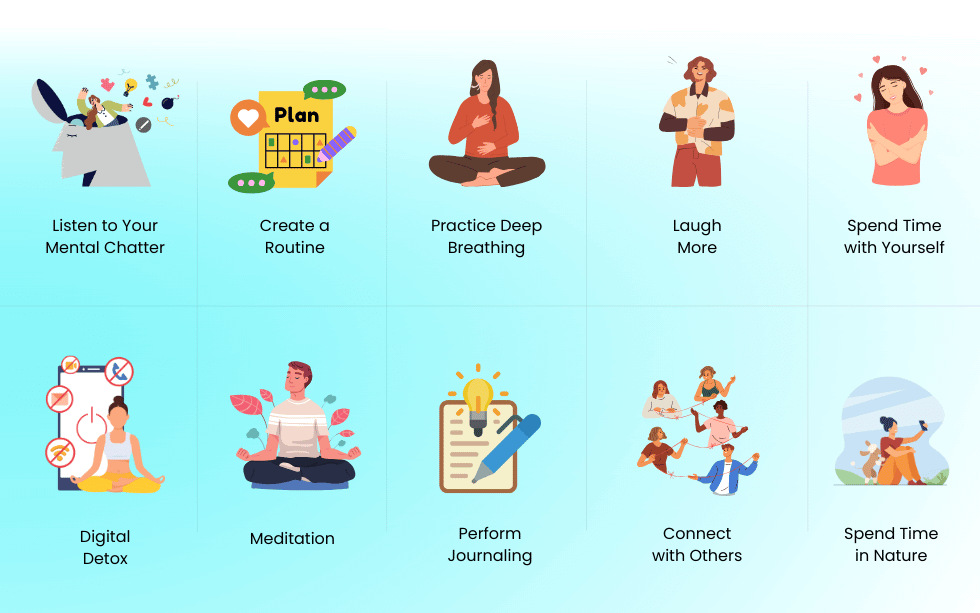
Deep Breathing
- Sit or lie comfortably and inhale deeply through the nose
- Hold your breath for a few seconds
- Exhale slowly through the mouth
- Repeat for 5–10 minutes daily
Meditation
- Find a quiet space and focus on your breath or a calming word
- Use guided meditation apps or simple mindfulness exercises
- Practicing 10–15 minutes a day reduces stress hormones
Progressive Muscle Relaxation
- Tense and release muscle groups from head to toe
- Helps relieve physical tension and calm the mind
Step 3: Incorporate Physical Activity
Exercise is one of the most effective ways to manage stress for women:
- Walking or Jogging: 20–30 minutes a day reduces cortisol levels
- Yoga: Combines movement, stretching, and mindfulness
- Strength Training: Boosts energy and improves mood
- Dancing or Aerobics: Fun activities that release endorphins
Regular exercise not only reduces stress but also improves sleep, metabolism, and overall health.
Step 4: Improve Time Management
Managing time effectively prevents stress caused by overwhelming schedules.
- Create a daily to-do list and prioritize tasks
- Break tasks into smaller, manageable steps
- Set realistic goals and avoid overcommitting
- Schedule breaks to recharge during the day
Time management reduces anxiety and improves productivity.
Step 5: Build Emotional Support
Having supportive relationships is essential for stress management for women:
- Talk to trusted friends, family, or colleagues
- Join support groups or wellness communities
- Seek professional counseling if stress is overwhelming
- Share feelings openly to prevent emotional buildup
Step 6: Adopt Healthy Lifestyle Habits
- Balanced Diet: Include fruits, vegetables, whole grains, and lean proteins
- Adequate Sleep: Aim for 7–8 hours per night
- Limit Caffeine and Alcohol: Reduce stimulants that increase stress
- Hydration: Drink sufficient water to maintain energy and focus
Step 7: Practice Mindfulness Daily
Mindfulness involves being present and aware of thoughts without judgment. Techniques include:
- Mindful walking or eating
- Journaling thoughts and feelings
- Gratitude exercises, noting positive experiences
Mindfulness reduces negative thinking patterns and promotes calmness.
Benefits of Stress Management for Women
- Reduces anxiety and depression
- Improves physical health and immunity
- Enhances emotional resilience
- Boosts energy and focus
- Improves sleep quality
- Strengthens personal and professional relationships
- Supports hormonal and reproductive health
Disadvantages / Risks
- Ignoring stress management can lead to chronic health issues
- Excessive stress may result in burnout, fatigue, and weakened immunity
- Over-reliance on coping mechanisms like alcohol, food, or medication can cause further problems
- Neglecting self-care while managing responsibilities may reduce overall effectiveness
Common Mistakes to Avoid
- Avoiding acknowledgment of stress instead of addressing it
- Trying to multitask excessively without breaks
- Relying solely on passive relaxation like watching TV without active coping
- Skipping exercise or healthy meals due to a busy schedule
- Ignoring emotional needs and avoiding social support
- Expecting instant results instead of gradual improvement
FAQs
1. What are the most effective stress management techniques for women?
Deep breathing, meditation, yoga, regular exercise, mindfulness, and maintaining social support are highly effective. Combining several methods works best.
2. How often should women practice relaxation techniques?
Daily practice of 10–20 minutes is recommended. Even short, consistent sessions reduce stress over time.
3. Can diet affect stress levels?
Yes. Nutrient-rich foods like fruits, vegetables, lean proteins, and whole grains support brain function and hormone balance, reducing stress.
4. Is exercise really important for stress management?
Absolutely. Physical activity releases endorphins, reduces cortisol levels, and improves sleep, all of which help manage stress.
5. How can women manage stress at work?
Prioritize tasks, take short breaks, practice deep breathing, and maintain healthy boundaries to prevent work-related burnout.
6. Can mindfulness really reduce stress?
Yes. Mindfulness trains the mind to stay present, reduces negative thinking, and helps regulate emotions effectively.
7. When should professional help be sought?
If stress causes severe anxiety, depression, sleep disruption, or affects daily functioning, consulting a therapist or healthcare provider is recommended.
Expert Tips & Bonus Points
- Start the day with a calm morning routine
- Limit exposure to negative news and social media
- Create a dedicated space for relaxation or meditation
- Practice gratitude to shift focus from stress to positive experiences
- Keep a stress journal to track triggers and progress
- Combine multiple stress management techniques for best results
- Be consistent; stress reduction takes time and patience
Conclusion
Stress management for women is essential for maintaining mental, emotional, and physical health. By understanding stress triggers, practicing relaxation techniques, incorporating exercise, and building a strong support system, women can reduce anxiety and improve overall quality of life. Mindfulness, balanced lifestyle choices, and time management are critical tools in handling stress effectively.
Managing stress is not about eliminating challenges but learning to respond to them in healthy ways. Small, consistent changes like daily meditation, mindful eating, and regular physical activity can create long-term resilience. Women who prioritize self-care, acknowledge their limits, and actively manage stress experience improved energy, focus, emotional balance, and overall wellness.
By implementing these strategies, stress management for women becomes a sustainable part of life, enhancing health, confidence, and happiness. Start today by taking one small step, whether it’s deep breathing, a short walk, or journaling, and gradually build a routine that keeps stress under control.