
Building muscle at home may sound challenging, but it’s completely achievable with the right plan, consistency, and knowledge. Many people believe that a gym membership is necessary for muscle growth, but that’s not true. You can build a strong, lean, and muscular body using your own bodyweight, a few simple tools, and structured workouts. In this fitness guide, we’ll show you exactly how to build muscle at home, step by step, even if you’re a beginner. By the end, you’ll have a clear plan to strengthen your muscles, boost your metabolism, and improve your overall health without stepping into a gym. Whether you have limited space, a busy schedule, or simply prefer working out at home, this article will provide all the guidance you need. From understanding the basics of muscle growth to designing effective workouts, proper nutrition, recovery, and avoiding common mistakes, you’ll gain a complete blueprint to start your muscle-building journey confidently.
What is How to Build Muscle at Home?
How to build muscle at home refers to the practice of increasing muscle size, strength, and endurance without relying on a gym. It focuses on exercises, nutrition, and recovery strategies that can be executed in a home environment. The process involves:
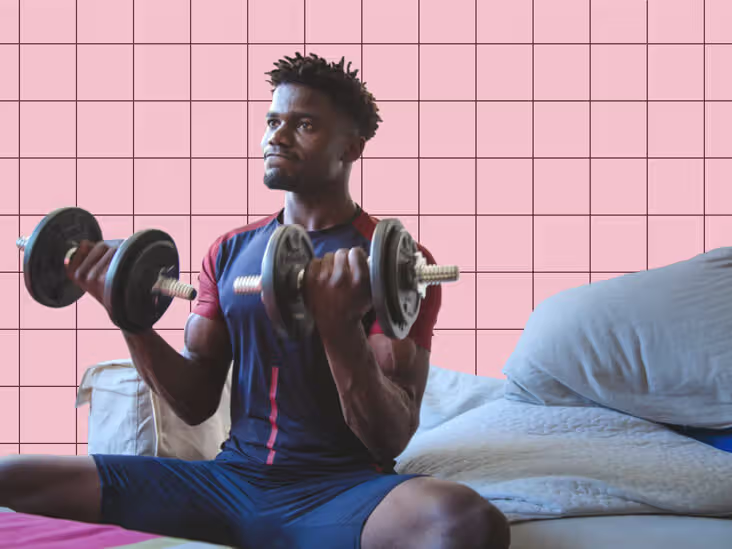
- Resistance Training: Using bodyweight exercises, resistance bands, or dumbbells to stimulate muscles.
- Progressive Overload: Gradually increasing the intensity of your workouts to challenge your muscles.
- Proper Nutrition: Consuming adequate protein, calories, and nutrients to support muscle repair and growth.
- Recovery: Allowing muscles time to repair through rest and proper sleep.
Unlike gym training, home workouts emphasize creativity and adaptability. You may not have machines, but bodyweight exercises like push-ups, squats, lunges, pull-ups, and planks are highly effective. Adding simple tools like dumbbells, kettlebells, resistance bands, or even household items like water bottles or backpacks can significantly enhance results. Muscle growth happens when your body experiences stress during workouts and repairs itself stronger. At home, you have the freedom to train anywhere, anytime, making it a convenient and sustainable method for beginners and intermediates.
Why is How to Build Muscle at Home Important?
Building muscle at home is not just about aesthetics—it impacts your overall health, energy, and confidence. Here’s why it matters:
- Accessibility: No gym membership or fancy equipment is needed. You can start immediately at home.
- Cost-Effective: Avoid monthly fees for gyms or personal trainers. Minimal equipment is enough.
- Convenience: Work out at your preferred time without commuting.
- Functional Strength: Home workouts often involve bodyweight movements that improve everyday strength.
- Mental Health: Exercise releases endorphins, reducing stress and improving mood.
- Weight Management: Muscle growth boosts metabolism, helping burn more calories even at rest.
- Longevity: Strong muscles support bones, joints, and overall mobility as you age.
Overall, learning how to build muscle at home empowers you to take control of your health, fitness, and lifestyle. Whether your goal is to gain strength, look toned, or improve overall fitness, home training provides a practical solution that fits your life.
Detailed Step-by-Step Guide to How to Build Muscle at Home
Building muscle at home requires a combination of training, nutrition, and recovery. Follow this step-by-step guide for effective results.
Step 1: Assess Your Fitness Level
Before starting, evaluate your current strength and endurance. Ask yourself:
- Can I do 10 push-ups or 20 squats comfortably?
- How many minutes can I hold a plank?
- Do I have any injuries or health issues that need consideration?
This assessment helps you design a workout routine suitable for your level and avoid injuries.
Step 2: Set Clear Goals
Set specific, measurable, and realistic goals. For example:
- Gain 5 pounds of muscle in 3 months
- Perform 20 pull-ups in 2 months
- Tone arms and legs while improving endurance
Clear goals give you motivation and a framework to track progress.
Step 3: Design Your Workout Routine
A balanced home workout targets all major muscle groups. Beginners should aim for 3–4 workouts per week, while intermediates can train 4–6 days with split routines.
Upper Body Exercises
- Push-Ups: Targets chest, shoulders, and triceps. Variations: incline, decline, diamond push-ups.
- Pull-Ups or Chin-Ups: Strengthen back, biceps, and shoulders. Use a sturdy bar or door-mounted pull-up bar.
- Dumbbell Rows: If you have dumbbells, perform rows to improve back strength.
- Shoulder Press: Use dumbbells, resistance bands, or household items to strengthen shoulders.
Lower Body Exercises
- Bodyweight Squats: Work quads, hamstrings, glutes. Variations: jump squats, sumo squats.
- Lunges: Forward, backward, or walking lunges to target lower body muscles.
- Glute Bridges: Strengthen glutes and lower back. Add weight on hips if available.
- Calf Raises: Stand on the edge of a step for full range of motion.
Core Exercises
- Planks: Build core strength and stability. Variations: side plank, forearm plank.
- Leg Raises: Targets lower abs.
- Russian Twists: Improve oblique strength and rotational stability.
- Bicycle Crunches: Combine core strength with endurance.
Step 4: Progressive Overload
Muscles grow when challenged beyond their comfort zone. Implement progressive overload by:
- Increasing repetitions or sets
- Adding weight using dumbbells, kettlebells, or household items
- Reducing rest periods gradually
- Trying more challenging variations of exercises
Step 5: Nutrition for Muscle Growth
Muscle growth depends heavily on diet. Focus on:
- Protein: Essential for repairing and building muscle. Sources: eggs, chicken, fish, dairy, beans, lentils. Aim for 1.2–2 grams per kilogram of body weight daily.
- Complex Carbs: Fuel your workouts and recovery. Sources: oats, brown rice, whole grains, sweet potatoes.
- Healthy Fats: Support hormone production and joint health. Sources: nuts, seeds, olive oil, avocados.
- Hydration: Muscles need water to perform and recover. Drink at least 2–3 liters daily.
- Supplements (Optional): Whey protein, creatine, and multivitamins can support progress but aren’t mandatory.
Step 6: Recovery and Rest
Muscle growth occurs during rest, not while training.
- Sleep 7–9 hours nightly
- Take at least one rest day per week
- Stretch and foam roll to prevent soreness and improve flexibility
- Listen to your body to avoid overtraining
Step 7: Track Progress
Keep a log of workouts, repetitions, sets, and weight used. Take progress photos weekly. Tracking helps you adjust intensity and recognize improvements, keeping motivation high.
Benefits of How to Build Muscle at Home
- Build strength and tone your body without a gym
- Improve posture and reduce risk of injury
- Increase metabolism for better fat loss
- Boost mental health and confidence
- Save time and money with flexible home workouts
- Strengthen bones and joints naturally
- Improve endurance, energy, and daily performance
Disadvantages / Risks
- Limited access to heavy weights may slow strength gains for advanced lifters
- Risk of improper form leading to injury
- Less social interaction compared to gym workouts
- Motivation can be harder without a structured gym environment
- Overtraining if rest and recovery aren’t prioritized
Common Mistakes to Avoid
- Skipping Warm-Up: Always warm up for 5–10 minutes to prevent injuries.
- Neglecting Form: Poor technique can cause strains and slow progress.
- Overtraining: Muscles need time to recover; avoid daily heavy workouts.
- Ignoring Nutrition: Without proper protein and calories, muscle growth stalls.
- No Progressive Overload: Doing the same routine without challenge limits results.
- Skipping Core Work: A strong core is essential for overall strength and stability.
- Comparing Yourself to Others: Everyone progresses at their own pace.
FAQs
1. Can I build significant muscle at home without equipment?
Yes, bodyweight exercises like push-ups, squats, lunges, and planks are highly effective. Adding resistance bands or dumbbells can accelerate results.
2. How long will it take to see muscle growth at home?
Beginners typically notice changes in 6–8 weeks with consistent training and proper nutrition. Intermediates may need 3–4 months for visible improvements.
3. How many times a week should I train to build muscle?
Beginners: 3–4 days per week
Intermediate: 4–6 days per week with split routines
4. Do I need supplements to build muscle at home?
Supplements are optional. A balanced diet rich in protein, carbs, and healthy fats is sufficient for most people.
5. Can I build muscle while losing fat?
Yes, but it requires careful calorie management. Focus on high protein intake and maintain resistance training to preserve muscle while in a slight calorie deficit.
6. Is it necessary to lift heavy weights for muscle growth?
Not always. Progressive overload using bodyweight or moderate weights, with high repetitions and proper form, can build muscle effectively at home.
7. How important is rest in building muscle?
Rest is crucial. Muscles grow and repair during recovery. Without adequate sleep and rest days, progress slows and risk of injury increases.
8. Can women build muscle at home?
Absolutely. Women can gain strength and tone muscles using the same principles. Bodyweight exercises, resistance bands, and dumbbells work well.
Expert Tips & Bonus Points
- Focus on compound exercises like push-ups, squats, and lunges to work multiple muscles at once.
- Track macros for better nutrition management. Aim for at least 1.5 grams of protein per kg body weight.
- Change workout routines every 6–8 weeks to prevent plateaus.
- Include mind-muscle connection during exercises for better activation.
- Use household items creatively: water bottles, backpacks, or furniture can act as weights.
- Stretch daily to improve flexibility and reduce soreness.
- Pair workouts with motivational playlists to enhance performance.
- Stay consistent. Even 30 minutes a day builds long-term results.
Conclusion
Building muscle at home is entirely possible with the right approach. By understanding how to build muscle at home, incorporating progressive exercises, maintaining proper nutrition, and prioritizing recovery, anyone can gain strength, tone their body, and boost overall fitness. Home workouts are convenient, cost-effective, and flexible, making them an excellent choice for beginners and intermediates alike. Consistency is key—start with simple exercises, gradually increase intensity, and stay patient. Celebrate small wins and track your progress regularly. Remember, muscle growth is a combination of training, diet, and rest. By following this comprehensive guide, you’ll create a sustainable routine that transforms your body, boosts confidence, and improves overall health. Your home is no longer just a living space—it’s your personal muscle-building gym.