Maintaining a balanced diet is essential for overall health, energy, and long-term well-being. With so many nutrition myths and fad diets, it can be challenging to know what truly works. Top nutrition advice for a balanced diet focuses on practical steps that anyone can follow to eat healthily, support their body, and feel their best every day.
Why a Balanced Diet Matters
A balanced diet is the foundation of good health. Eating the right mix of nutrients fuels your body, boosts immunity, supports mental clarity, and helps maintain a healthy weight. Proper nutrition also reduces the risk of chronic diseases like heart disease, diabetes, and certain cancers. By understanding the benefits of balanced nutrition, you can make informed food choices that promote long-term wellness.
Core Elements of a Balanced Diet
Proteins: Building Blocks of Health
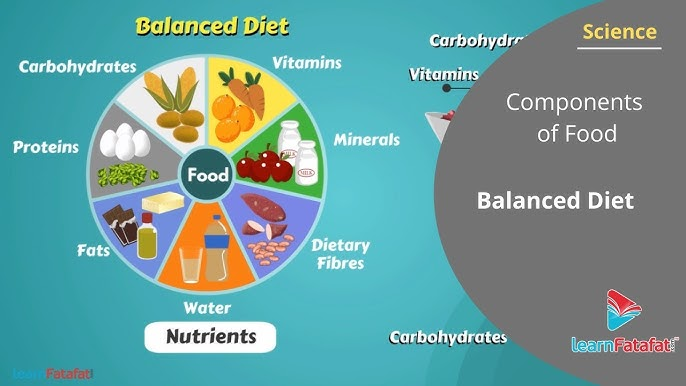
Proteins, found in lean meats, fish, eggs, legumes, and dairy, are essential for building and repairing tissues. They also help regulate hormones and support immune function. Including a variety of protein sources ensures your body gets all essential amino acids.
Carbohydrates: Fuel for Energy
Carbohydrates, especially whole grains, fruits, and vegetables, provide the energy needed for daily activities and brain function. Choosing complex carbs over refined options helps maintain steady blood sugar levels and supports digestive health.
Healthy Fats: Essential for Wellness
Healthy fats from nuts, seeds, avocado, and olive oil support heart health, hormone production, and brain function. Incorporating fats in moderation improves nutrient absorption and keeps you feeling satisfied.
Vitamins and Minerals: Micronutrient Essentials
Vitamins and minerals from colorful vegetables, fruits, and fortified foods ensure your body functions optimally. Key nutrients like vitamin C, vitamin D, calcium, and iron play vital roles in immunity, bone health, and overall energy.
Practical Top Nutrition Advice
Plan Your Meals Ahead
Planning your meals in advance helps avoid unhealthy snacking and ensures a balance of nutrients. Prepare simple, nutritious meals that combine protein, healthy fats, and complex carbohydrates.
Hydration is Key
Drinking enough water supports digestion, energy, and overall health. Aim for at least 8 glasses of water per day, and include water-rich foods like cucumbers, melons, and oranges.
Incorporate Variety
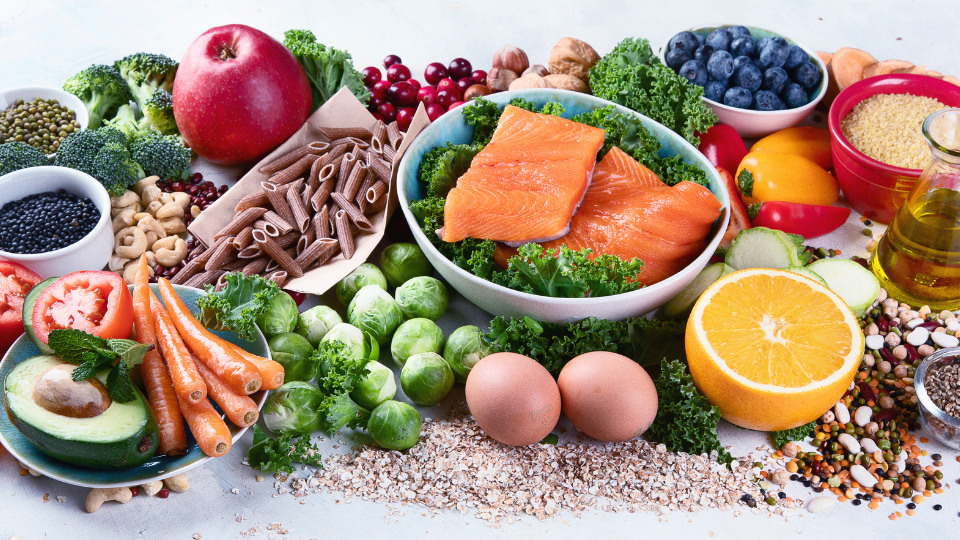
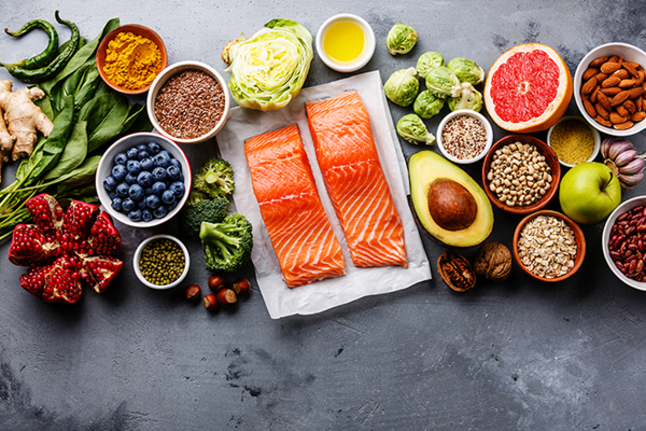
Eating a diverse range of foods ensures you get all necessary nutrients. Include vegetables of different colors, whole grains, lean proteins, and healthy fats in every meal.
Mindful Eating
Pay attention to hunger and fullness cues, eat slowly, and enjoy your food. Mindful eating helps prevent overeating and promotes better digestion.
Common Nutrition Mistakes to Avoid
Skipping Meals
Skipping meals can slow metabolism and lead to overeating later in the day. Consistent meal timing helps maintain energy and prevents unhealthy cravings.
Over-Reliance on Supplements
Supplements cannot replace a balanced diet. Focus on whole foods first, and use supplements only as recommended by a healthcare professional.
Excess Processed Foods
High consumption of processed foods and sugary drinks can undermine your health goals. Prioritize fresh, minimally processed options whenever possible.
Sample Balanced Diet Plan
A simple daily plan might include:
- Breakfast: Greek yogurt with berries and chia seeds
- Mid-Morning Snack: A handful of nuts
- Lunch: Grilled chicken, quinoa, and steamed vegetables
- Afternoon Snack: Fresh fruit or vegetable sticks
- Dinner: Baked salmon, brown rice, and mixed vegetables
This provides a balance of proteins, fats, carbohydrates, and essential nutrients while keeping meals satisfying and varied.
Tips for Staying Consistent

Meal Prepping
Preparing meals ahead of time reduces the temptation to reach for unhealthy options.
Keep a Food Journal
Tracking meals helps monitor nutrient intake and identify areas for improvement.
Establish Healthy Habits
Cooking at home more often, limiting sugary beverages, and setting realistic goals ensures that nutrition changes are sustainable and enjoyable.
Expert Advice & References
Nutrition experts recommend focusing on whole, minimally processed foods, incorporating a variety of nutrients, and listening to your body’s hunger and fullness cues. Evidence-based nutrition emphasizes gradual, sustainable changes rather than drastic diets. Following expert guidance helps build trust and authority for your readers.
FAQs
Q1: What is the easiest way to maintain a balanced diet?
A1: Plan your meals ahead, include a variety of nutrient-rich foods, drink plenty of water, and practice mindful eating. Small consistent changes make the biggest impact.
Q2: Can I get all nutrients from plant-based foods?
A2: Yes, with careful planning, plant-based diets can provide all essential nutrients. Include legumes, whole grains, nuts, seeds, and fortified foods, and consider supplements for vitamin B12 or vitamin D if needed.
Q3: How important is portion control?
A3: Portion control is vital to prevent overeating, manage weight, and ensure a balanced intake of nutrients. Using smaller plates and measuring servings can help.
Q4: Are supplements necessary for a balanced diet?
A4: Not always. Whole foods should be your primary source of nutrients. Supplements are helpful only when dietary intake is insufficient or for specific health needs recommended by a professional.
Q5: How can I stay motivated to eat healthily?
A5: Set realistic goals, track your progress, meal prep, involve family or friends, and celebrate small victories to maintain motivation.
Conclusion
Eating a balanced diet doesn’t have to be complicated. By following top nutrition advice for a balanced diet, including a mix of proteins, carbohydrates, healthy fats, vitamins, and minerals, you can support your health, energy, and overall well-being. Start implementing these tips today, stay consistent, and notice how small changes lead to lasting results. Share this guide with friends and family and encourage a community focused on healthy eating.