
Introduction
Self-care is essential for every woman who wants to maintain balance in her life. With daily responsibilities, work, and family commitments, it’s easy to forget personal wellbeing. Adopting self-care practices for women wellness can improve mental health, reduce stress, and enhance overall happiness. These practices are not just indulgent activities but essential routines that support emotional, physical, and mental wellness.
For beginners, starting self-care might feel overwhelming, but small consistent steps can make a big difference. Simple practices like mindful breathing, journaling, or enjoying a quiet cup of tea can significantly impact mood and energy levels. Intermediate self-care routines may include exercise plans, skincare rituals, or social and creative activities that bring joy.
Women often prioritize others over themselves, but research shows that neglecting personal needs can lead to burnout, anxiety, and even physical health issues. Integrating self-care into daily life allows women to recharge, set boundaries, and foster a positive mindset. This article will guide you through effective self-care practices for women, explain their importance, offer a step-by-step approach, and provide tips to maximize benefits. By the end, you’ll have a practical roadmap to nurture your wellbeing consistently.
What is Self-Care Practices for Women?
Self-care practices for women involve intentional activities and habits that promote mental, emotional, and physical health. These practices can be simple daily routines or structured activities designed to reduce stress and improve overall wellbeing. Self-care is not limited to spa days or indulgent treats; it includes mindfulness exercises, healthy eating, adequate sleep, physical activity, and nurturing relationships.
Self-care can be categorized into several types: emotional, physical, mental, social, and spiritual. Emotional self-care focuses on managing feelings and stress, mental self-care strengthens cognitive wellbeing, physical self-care targets the body through nutrition and exercise, social self-care nurtures healthy connections, and spiritual self-care supports inner peace and purpose. By combining these practices, women can create a balanced lifestyle that enhances energy, confidence, and resilience.
Why is Self-Care Practices for Women Important?
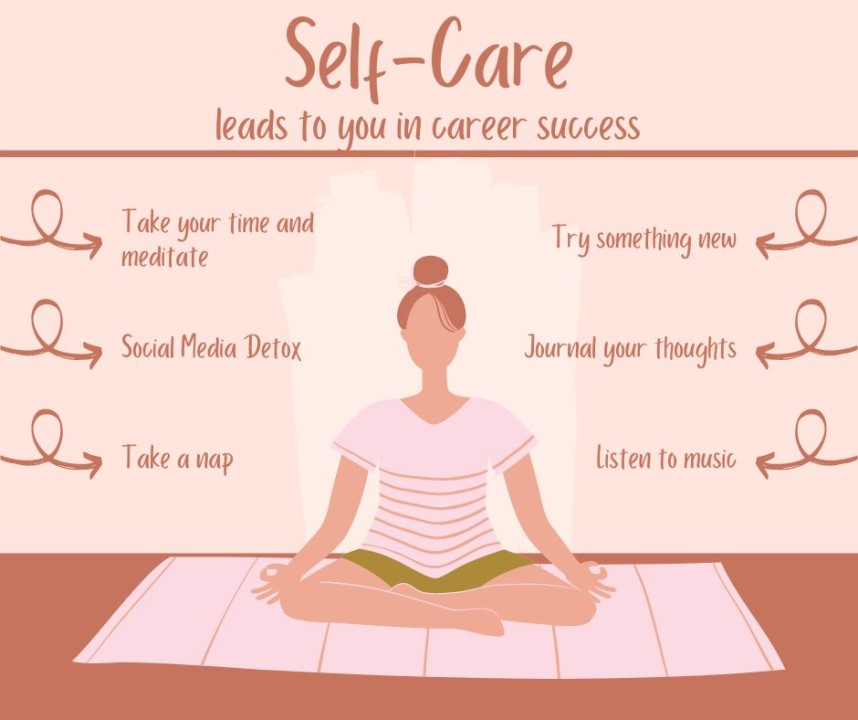
Self-care practices for women are important because they directly affect health, happiness, and productivity. Neglecting self-care can lead to stress, burnout, and decreased emotional resilience. Incorporating regular self-care helps women manage responsibilities without compromising personal wellbeing.
Additionally, self-care improves self-awareness. When women take time for themselves, they better understand their needs, limits, and emotions. This awareness helps in setting boundaries and making healthier choices in personal and professional life. Regular self-care also strengthens physical health, boosts immunity, and promotes better sleep, all of which are essential for long-term wellness. Ultimately, prioritizing self-care enables women to show up fully for themselves and others, creating a more fulfilling and balanced life.
Detailed Step-by-Step Guide
Step 1: Start with Mindful Awareness
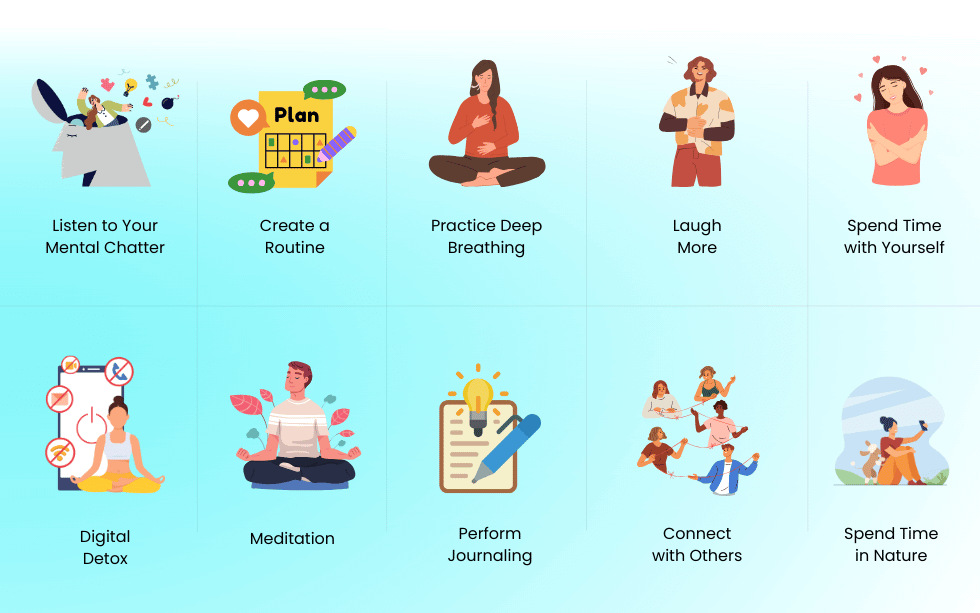
Begin by recognizing your personal needs and current stress levels. Journaling or reflecting for 5–10 minutes daily helps identify areas requiring attention. This awareness lays the foundation for effective self-care practices.
Step 2: Develop Physical Self-Care Habits
- Exercise: Include 20–30 minutes of moderate activity like walking, yoga, or dancing.
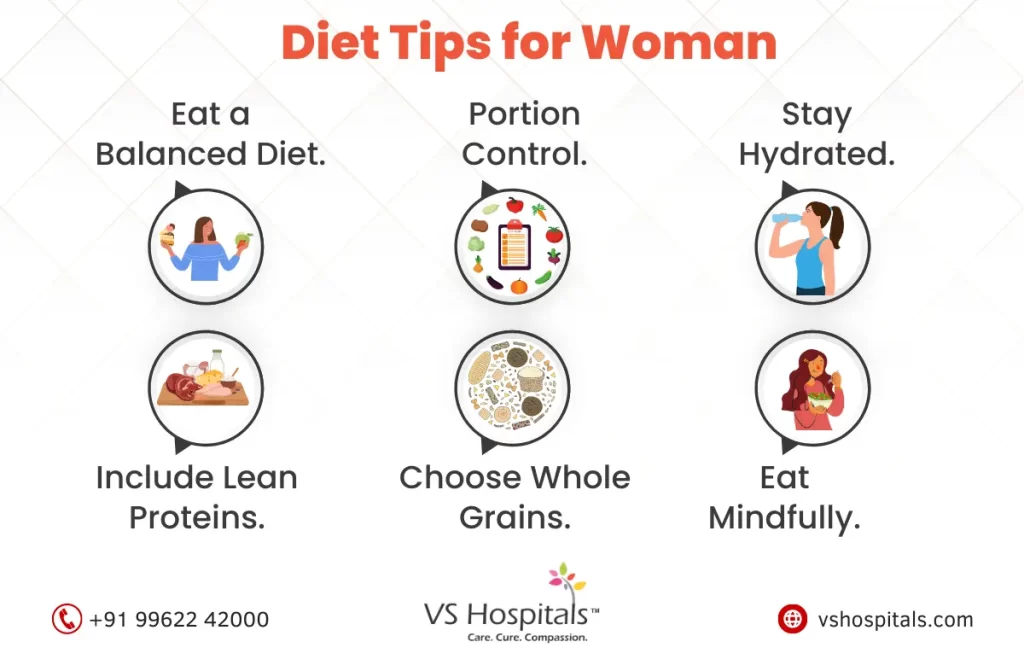
- Nutrition: Eat balanced meals with fruits, vegetables, and protein.
- Sleep: Aim for 7–8 hours of quality sleep each night.
- Hydration: Drink at least 6–8 glasses of water daily.
Step 3: Incorporate Mental and Emotional Care
- Meditation: Practice guided meditation or deep breathing to reduce stress.
- Journaling: Write down thoughts, feelings, or gratitude lists.
- Digital Detox: Limit social media or screen time to improve focus and mood.
- Therapy or Counseling: Seek professional help if dealing with persistent stress or anxiety.
Step 4: Build Social and Spiritual Connections
- Socialize: Spend time with friends and family to nurture relationships.
- Community Engagement: Join groups or clubs that align with interests.
- Spiritual Practices: Engage in prayer, mindfulness, or personal reflection to find inner peace.
Step 5: Personal Enjoyment and Creativity
- Hobbies: Dedicate time to creative pursuits like painting, writing, or music.
- Relaxation: Take baths, read, or enjoy nature walks.
- Reward Yourself: Celebrate achievements with small treats or personal indulgences.
Benefits of Self-Care Practices for Women
- Reduced stress and anxiety levels
- Improved emotional regulation and mood
- Enhanced physical health and energy
- Better sleep quality and focus
- Increased self-awareness and confidence
- Stronger relationships and social support
- Greater productivity and creativity
- Long-term resilience against burnout
Disadvantages / Risks
- Over-scheduling self-care can become stressful
- Guilt for prioritizing oneself over others
- Financial cost if indulging in expensive activities
- Over-dependence on certain practices for mood regulation
- Ignoring professional help for serious health issues
Common Mistakes to Avoid
- Neglecting consistency: Skipping self-care frequently reduces benefits
- Comparing with others: Self-care is personal, avoid judgment
- Overlooking emotional self-care: Physical routines alone are insufficient
- Expecting immediate results: Benefits accumulate over time
- Multitasking during self-care: True self-care requires focus and presence
FAQs
1. How often should women practice self-care?
Daily small practices and weekly larger routines are ideal. Consistency is key for long-term benefits.
2. Can self-care practices for women help with mental health?
Yes, activities like meditation, journaling, and mindful breaks reduce anxiety and improve mood.
3. Do self-care routines need to be expensive?
No, self-care can be simple and cost-free, such as taking walks, reading, or practicing gratitude.
4. How long does it take to see benefits?
Some benefits like improved mood can appear in days, while deeper changes in health and resilience take weeks to months.
5. Can busy women still follow self-care practices?
Yes, even 5–10 minutes daily for mindful breathing, stretching, or reflection makes a difference.
6. Should self-care be physical or mental first?
A balanced combination works best. Both mental and physical self-care support overall wellbeing.
7. Are hobbies considered self-care?
Absolutely. Creative or leisure activities refresh the mind and improve happiness.
8. Is self-care selfish?
No, prioritizing personal wellbeing allows women to better support others and maintain healthy relationships.
Expert Tips & Bonus Points
- Schedule self-care like appointments to maintain consistency
- Mix simple daily habits with occasional indulgent activities
- Listen to your body and emotions; adjust practices as needed
- Track progress in a journal to notice improvements
- Avoid multitasking during self-care to maximize its effect
- Combine physical, emotional, social, and spiritual practices for balance
Conclusion
Self-care practices for women are essential for maintaining health, happiness, and balance in life. They provide the tools to manage stress, nurture emotions, and sustain energy levels amidst daily responsibilities. By integrating physical, mental, emotional, social, and spiritual activities, women can improve overall wellbeing and prevent burnout.
Beginners can start with simple steps like journaling, mindful breathing, or short walks, while intermediate routines can include structured exercise, creative pursuits, and social engagement. The key is consistency and making self-care a priority rather than an occasional luxury. Over time, these practices build resilience, boost confidence, and enhance life satisfaction.
By embracing self-care, women not only nurture themselves but also improve their ability to care for others, fostering healthier relationships and a more positive outlook. Prioritizing self-care is a commitment to long-term wellbeing and a happier, more balanced life. Start today, identify the practices that resonate with you, and make self-care a non-negotiable part of your routine.