
Introduction
Starting strength training can feel intimidating for beginners, but it doesn’t have to be complicated. With the right fitness guide, anyone can build muscle, increase strength, and improve overall health safely. Strength training is not just about lifting heavy weights; it’s about learning proper form, consistency, and building a solid foundation. Following strength training tips for beginners ensures progress while reducing the risk of injury.
Many beginners struggle with knowing where to start, how to structure workouts, or how often to train. By understanding the basics and applying simple strategies, you can make strength training a sustainable and enjoyable part of your lifestyle. Beginners who follow structured guidance often see results faster, feel more confident in the gym, and develop habits that last a lifetime.
This article will explore strength training tips for beginners in detail. You will learn what strength training is, why it is important, step-by-step guidance for beginners, key benefits, potential risks, common mistakes, and expert tips to maximize your results. By the end, you will have a clear roadmap to start your strength training journey safely and effectively.
What is Strength Training Tips for Beginners
Strength training is a type of physical exercise focused on improving muscle strength and endurance through resistance. This resistance can come from free weights, machines, resistance bands, or bodyweight exercises. For beginners, it’s essential to start with manageable weights and gradually progress.
Strength training tips for beginners include understanding proper form, choosing the right exercises, and following a structured routine. The goal is to target all major muscle groups, including legs, back, chest, shoulders, arms, and core, while allowing adequate recovery between sessions.
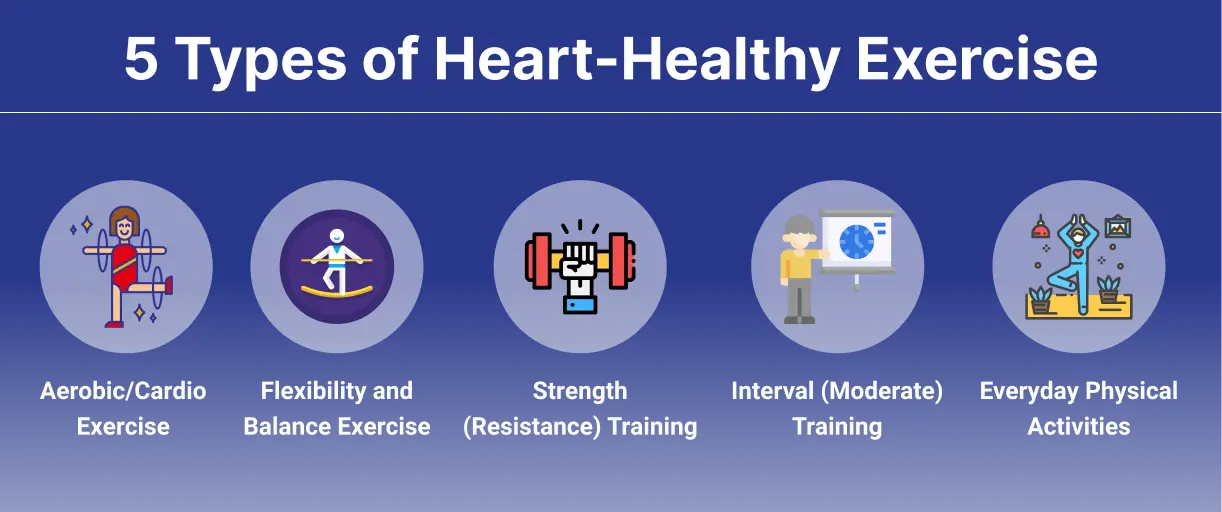
Unlike cardio exercises, which primarily improve heart and lung health, strength training focuses on building muscle mass, increasing metabolism, and enhancing functional strength. Beginners benefit most when they combine resistance training with proper nutrition, rest, and consistency.
Why is Strength Training Tips for Beginners Important

Strength training is vital for overall health, especially for beginners starting their fitness journey. Building strength helps improve posture, balance, and joint health while reducing the risk of injuries. For those new to exercise, it also provides a sense of accomplishment and boosts confidence.
Beginners often underestimate the benefits of strength training. Beyond building muscle, it supports weight management by increasing metabolism and improving fat-burning capacity. It also enhances mental health by reducing stress, anxiety, and symptoms of depression.
Following strength training tips for beginners ensures you develop a safe routine, learn correct techniques, and avoid common pitfalls. By understanding your body’s limits and progressing gradually, strength training becomes a long-term habit that enhances fitness, performance, and overall wellbeing.
Detailed Step-by-Step Guide to Strength Training
Step 1: Set Clear Goals
Before starting, define what you want to achieve. Goals may include building muscle, losing fat, improving endurance, or increasing overall strength. Clear goals help structure your workouts and track progress.
Step 2: Choose the Right Exercises
Focus on compound exercises that target multiple muscle groups, such as:
- Squats
- Deadlifts
- Bench press
- Pull-ups
- Rows
- Overhead press
For beginners, including isolation exercises like bicep curls or tricep extensions can complement compound movements.
Step 3: Learn Proper Form
Correct technique is crucial to prevent injury. Beginners should start with light weights or bodyweight to master movements. Consider watching tutorials or seeking guidance from a certified trainer.
Step 4: Start with a Basic Routine
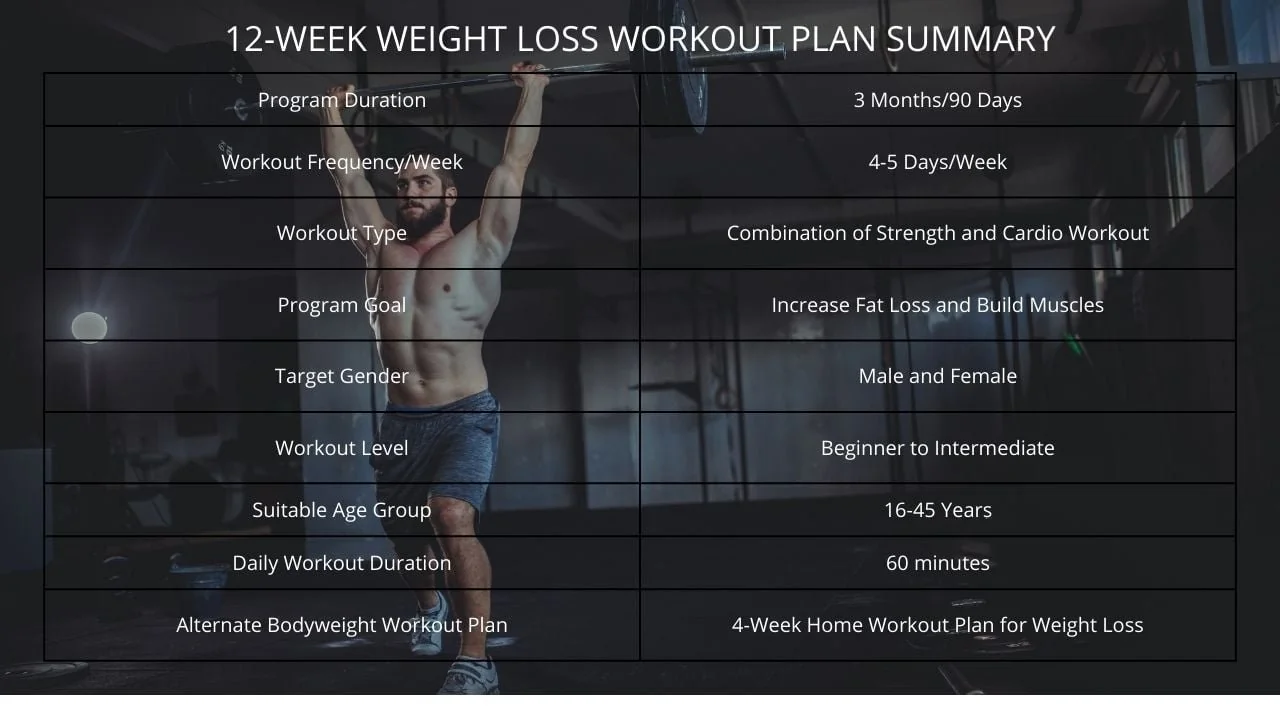
Begin with 2–3 strength training sessions per week, allowing at least one day of rest between sessions. A sample beginner routine may include:
- Day 1: Upper body (chest, back, shoulders, arms)
- Day 2: Lower body (legs, glutes, core)
- Day 3: Full body or repeat Day 1/2
Start with 2–3 sets of 8–12 repetitions for each exercise.
Step 5: Gradually Increase Weight
Progressive overload is key to building strength. Increase weights slowly when exercises feel easier. Avoid increasing weight too quickly, as it can lead to injuries.
Step 6: Include Warm-Up and Cool-Down
Always warm up for 5–10 minutes with light cardio or dynamic stretches. After training, cool down with stretching to reduce muscle soreness and improve flexibility.
Step 7: Track Your Progress
Keep a workout log of exercises, sets, reps, and weights. Tracking progress motivates you and helps adjust your routine for continued improvement.
Benefits of Strength Training Tips for Beginners
- Builds muscle and increases overall strength
- Enhances bone density and joint health
- Improves posture and balance
- Boosts metabolism and supports weight management
- Reduces risk of injuries and chronic diseases
- Enhances mood and mental health
- Increases energy and physical performance
- Supports long-term functional fitness
Disadvantages / Risks
- Risk of injury if performed with poor form
- Soreness and fatigue in initial weeks
- Overtraining if recovery days are skipped
- Possible frustration if progress is slow
- Expense of gym membership or equipment for some beginners
Common Mistakes to Avoid
- Lifting too heavy too soon, leading to injuries
- Ignoring warm-ups or cool-downs
- Skipping rest days, causing fatigue or overtraining
- Focusing only on certain muscle groups instead of full-body workouts
- Neglecting nutrition and hydration, which impacts recovery
- Comparing progress to others, which can lower motivation
- Not tracking workouts, making it hard to see improvement
FAQs
1. How often should beginners do strength training?
Beginners should aim for 2–3 sessions per week, allowing rest days for recovery. Gradually, frequency can increase based on goals.
2. Can strength training help with weight loss?
Yes, building muscle increases metabolism, helping burn more calories even at rest. Combining strength training with cardio and proper nutrition enhances fat loss.
3. Do beginners need a gym to start strength training?
Not necessarily. Bodyweight exercises like push-ups, squats, lunges, and resistance bands can be highly effective at home.
4. How long before beginners see results?
Visible changes may appear in 4–6 weeks with consistency, proper form, and nutrition. Strength gains can be noticed even sooner.
5. Is it normal to feel sore after strength training?
Yes, mild muscle soreness is normal, especially for beginners. It indicates muscle adaptation but should not be severe or debilitating.
6. Should beginners lift heavy or light weights?
Start with light to moderate weights to master form. Gradually increase weight for progressive overload while avoiding injury.
7. Can strength training improve mental health?
Yes, it reduces stress, anxiety, and symptoms of depression while boosting confidence, mood, and overall wellbeing.
8. Do beginners need supplements for strength training?
Supplements are optional. Focus on a balanced diet with protein, carbs, and healthy fats first. Protein shakes or vitamins can complement nutrition if needed.
Expert Tips & Bonus Points
- Prioritize form over weight to prevent injuries
- Warm up and cool down every session
- Focus on compound exercises for overall strength
- Gradually increase intensity for continuous progress
- Include variety to prevent boredom and plateaus
- Stay hydrated and eat a protein-rich diet to support muscle growth
- Listen to your body and rest when needed
- Track workouts to monitor improvement and stay motivated
Conclusion
Strength training tips for beginners provide a foundation for building muscle, improving fitness, and maintaining long-term health. By starting with proper form, structured routines, and gradual progression, beginners can safely develop strength, enhance posture, and boost metabolism. Strength training is not just about appearance—it improves functional fitness, mental health, and overall wellbeing.
Beginners should focus on consistency, balanced routines, and avoiding common mistakes like overtraining or lifting too heavy too soon. With patience and dedication, strength training can become a lifelong habit that supports both physical and mental health. Start with small, manageable steps, track your progress, and enjoy the journey toward a stronger, healthier body.