
Introduction
Digestive problems are a common concern for many people worldwide. From bloating and indigestion to constipation and acid reflux, these issues can disrupt daily life and affect overall well-being. Fortunately, there are several remedies for digestive problems that are both natural and effective. Understanding how to manage and improve digestion can significantly enhance your health, energy levels, and mood.
Many digestive issues arise due to poor eating habits, stress, dehydration, or an imbalance in gut bacteria. Over time, ignoring these problems can lead to more severe health concerns. Fortunately, with simple lifestyle adjustments, dietary changes, and natural remedies, you can support your digestive system and reduce discomfort.
In this article, we will explore a comprehensive guide to home remedies for digestive problems, from understanding what digestive health is to practical tips, step-by-step strategies, and expert advice. Whether you are a beginner or have some experience with digestive care, this guide will equip you with actionable solutions that are easy to follow.
By the end of this article, you will not only learn about remedies for digestive problems but also understand why maintaining digestive health is essential for your overall wellness. Let’s dive in and explore the most effective strategies to keep your digestive system happy and healthy.
What is Digestive Health?
Digestive health refers to how well your body processes food, absorbs nutrients, and eliminates waste. A healthy digestive system ensures that your body receives the energy and nutrients it needs while preventing discomfort like gas, bloating, and heartburn.
Digestive problems occur when there is a disruption in the normal functioning of the digestive tract. Common issues include:
- Indigestion
- Acid reflux or heartburn
- Constipation or diarrhea
- Bloating and gas
- Irritable bowel syndrome (IBS)
The digestive system includes the mouth, esophagus, stomach, intestines, liver, pancreas, and gallbladder. Each organ plays a role in breaking down food, absorbing nutrients, and eliminating waste. When any part of this system is not functioning optimally, it can lead to discomfort and long-term health concerns.
Proper digestive health is not only about eating the right foods but also about lifestyle factors such as hydration, exercise, stress management, and sleep. By addressing these factors, you can naturally reduce the occurrence of digestive problems.
Why is Digestive Health Important?
Digestive health is vital because it directly impacts your overall well-being. A well-functioning digestive system allows your body to absorb essential nutrients, maintain energy levels, and support your immune system. Poor digestion can lead to fatigue, nutrient deficiencies, weakened immunity, and chronic diseases.
Here are some key reasons why digestive health is important:
- Nutrient Absorption: Your body depends on efficient digestion to extract vitamins, minerals, and energy from food.
- Immune Function: A large portion of the immune system resides in the gut. Healthy digestion helps protect against infections and illnesses.
- Mental Health: The gut produces neurotransmitters like serotonin, which influence mood and mental well-being.
- Weight Management: Poor digestion can contribute to weight gain or difficulty losing weight.
- Prevent Chronic Diseases: Maintaining gut health may reduce the risk of diabetes, heart disease, and inflammatory conditions.
By understanding the importance of digestive health, it becomes clear why investing time in remedies for digestive problems can have long-term benefits.
Detailed Step-by-Step Guide to Remedies for Digestive Problems
Improving digestion involves a combination of dietary adjustments, lifestyle changes, and natural remedies. Here is a detailed guide to help you tackle digestive issues effectively.
Step 1: Improve Your Diet
Diet plays a significant role in digestive health. Consuming the right foods can reduce discomfort and support gut function.
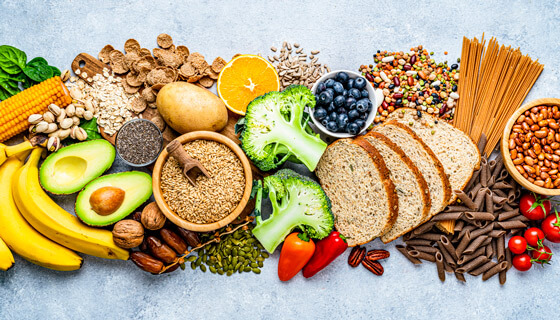
- Eat High-Fiber Foods: Include fruits, vegetables, whole grains, and legumes to improve bowel movements and prevent constipation.
- Include Probiotics: Yogurt, kefir, sauerkraut, and kimchi contain beneficial bacteria that promote gut health.
- Stay Hydrated: Drink plenty of water to aid digestion and prevent constipation.
- Limit Processed Foods: Reduce intake of fried foods, refined sugars, and artificial additives that can upset the stomach.
- Moderate Dairy and Gluten: Some people may have intolerances that cause bloating and discomfort.
Step 2: Adopt Healthy Eating Habits
How you eat is just as important as what you eat. Mindful eating can reduce digestive problems.
- Chew Food Thoroughly: Proper chewing helps break down food and makes digestion easier.
- Eat Smaller Meals: Multiple small meals are easier to digest than a few large meals.
- Avoid Eating Late at Night: Late meals can cause acid reflux and indigestion.
- Take Time to Eat: Rushing meals increases the risk of swallowing air, leading to gas and bloating.
Step 3: Exercise Regularly
Physical activity stimulates digestion and promotes regular bowel movements.
- Walk After Meals: A 10–15 minute walk aids digestion and prevents bloating.
- Try Yoga Poses: Certain poses like twists and forward bends massage internal organs and improve gut function.
- Strength Training: Building muscle improves metabolism and overall digestive efficiency.
Step 4: Manage Stress
Stress can significantly affect your digestive system by altering gut bacteria and slowing digestion.
- Practice Deep Breathing: Helps relax the digestive muscles and reduce discomfort.
- Meditation and Mindfulness: Daily practice can improve gut health by lowering stress hormones.
- Adequate Sleep: Poor sleep affects digestion and nutrient absorption.
Step 5: Natural Remedies
Several natural remedies can relieve digestive problems quickly and safely.
- Ginger: Aids digestion, reduces nausea, and prevents bloating.
- Peppermint: Relieves gas and eases stomach cramps.
- Chamomile Tea: Calms the stomach and reduces inflammation.
- Fennel Seeds: Help with bloating and improve digestion.
- Aloe Vera Juice: Soothes the digestive tract and relieves constipation.
Step 6: Avoid Trigger Foods
Identifying and avoiding foods that worsen your symptoms is crucial. Common triggers include:
- Spicy foods
- Fried and greasy foods
- Caffeine and carbonated drinks
- Alcohol
- Artificial sweeteners
Step 7: Stay Consistent
Consistency is key for long-term digestive health. Incorporate healthy habits into your daily routine for lasting results.
Benefits of Remedies for Digestive Problems

Using effective remedies for digestive problems offers numerous advantages:
- Improves nutrient absorption
- Reduces bloating, gas, and constipation
- Boosts energy levels
- Supports weight management
- Enhances immune function
- Reduces risk of chronic diseases
- Improves mental health and mood
- Promotes overall well-being
Disadvantages / Risks
While remedies for digestive problems are generally safe, there are some potential risks:
- Overuse of herbal remedies may cause side effects
- Some supplements may interact with medications
- Ignoring severe symptoms could delay treatment of serious conditions
- Excessive fiber intake can lead to gas and bloating
- Misidentifying food intolerances may worsen symptoms
Common Mistakes to Avoid
Many people make simple mistakes that worsen digestive problems. Avoid these pitfalls:
- Skipping Meals: Irregular eating disrupts digestion.
- Overeating: Large meals overload the digestive system.
- Eating Too Fast: Swallowing air can cause bloating.
- Ignoring Hydration: Water is essential for proper digestion.
- Relying on Medications Alone: Natural remedies and lifestyle changes are equally important.
- Neglecting Stress Management: Stress directly impacts gut health.
FAQs
1. What are the fastest remedies for digestive problems?
Ginger tea, peppermint, and warm water are some of the quickest remedies to relieve bloating, nausea, and indigestion.
2. Can probiotics help with digestive issues?
Yes, probiotics restore healthy gut bacteria, which can improve digestion, reduce bloating, and strengthen immunity.
3. How does stress affect digestion?
Stress slows down digestion, increases acid production, and may cause symptoms like bloating, diarrhea, or constipation.
4. Are home remedies effective for acid reflux?
Yes, remedies like aloe vera juice, ginger, and avoiding trigger foods can significantly reduce acid reflux symptoms.
5. How much fiber should I eat daily?
Adults should aim for 25–30 grams of fiber daily, obtained from fruits, vegetables, and whole grains. Gradually increase intake to prevent gas.
6. Can exercise improve digestion?
Yes, physical activity stimulates gut movement, improves bowel regularity, and reduces bloating. Even walking after meals is beneficial.
7. Should I avoid dairy for digestive problems?
If you are lactose intolerant, reducing dairy or choosing lactose-free options can prevent bloating and diarrhea.
8. Are herbal teas safe for long-term use?
Most herbal teas like chamomile, peppermint, and ginger are safe, but moderation is key. Consult a doctor if you have chronic conditions.
Expert Tips & Bonus Points
- Keep a Food Diary: Track foods that cause discomfort to identify triggers.
- Stay Upright After Eating: Avoid lying down immediately to prevent acid reflux.
- Include Prebiotics: Foods like garlic, onions, and bananas feed good gut bacteria.
- Chew Slowly: It reduces bloating and improves nutrient absorption.
- Regular Checkups: See a doctor if symptoms persist or worsen.
Bonus Tip: Combining multiple remedies, like a balanced diet, herbal teas, and stress management, produces the best long-term results.
Conclusion
Digestive problems are common, but they don’t have to control your life. By understanding your digestive system and implementing effective remedies for digestive problems, you can significantly improve your overall health and well-being. Simple lifestyle changes, mindful eating, natural remedies, and stress management can make a world of difference.
Maintaining digestive health not only relieves discomfort but also enhances nutrient absorption, immunity, energy levels, and mental well-being. While occasional digestive issues are normal, chronic symptoms require attention and proactive care.
By following the steps outlined in this guide, you can take control of your digestive health, prevent future problems, and enjoy a happier, healthier life. Start small, stay consistent, and remember that even minor changes can lead to significant improvements in your digestive system.
Investing in your gut health today ensures a stronger, healthier tomorrow.