
Introduction
Headaches are a common problem that can affect anyone at any time. They range from mild discomfort to severe pain that disrupts daily life. While medications are available, many people prefer natural remedies for headaches because they are gentle, safe, and often effective. Natural remedies can address the root causes of headaches, including stress, dehydration, poor posture, and tension.
For beginners and intermediate readers, understanding natural & Home remedies for headaches provides practical tools to manage pain without relying solely on drugs. These remedies include dietary adjustments, hydration, lifestyle changes, and home treatments that relieve tension, improve circulation, and reduce inflammation.
Using natural remedies consistently can also prevent recurring headaches and improve overall well-being. By combining proper self-care, stress management, and simple techniques, you can manage headache symptoms effectively at home. This guide provides a comprehensive overview of natural remedies for headaches, explaining how to use them safely, why they work, and additional tips to prevent future episodes.
What is Natural Remedies for Headaches?
Natural remedies for headaches are non-medical treatments designed to reduce pain and discomfort using home-based, holistic methods. These remedies focus on lifestyle adjustments, diet, hydration, relaxation techniques, and herbal treatments to relieve headaches naturally. Unlike medications, natural remedies do not rely on chemicals or synthetic drugs and aim to treat the underlying causes of headaches.
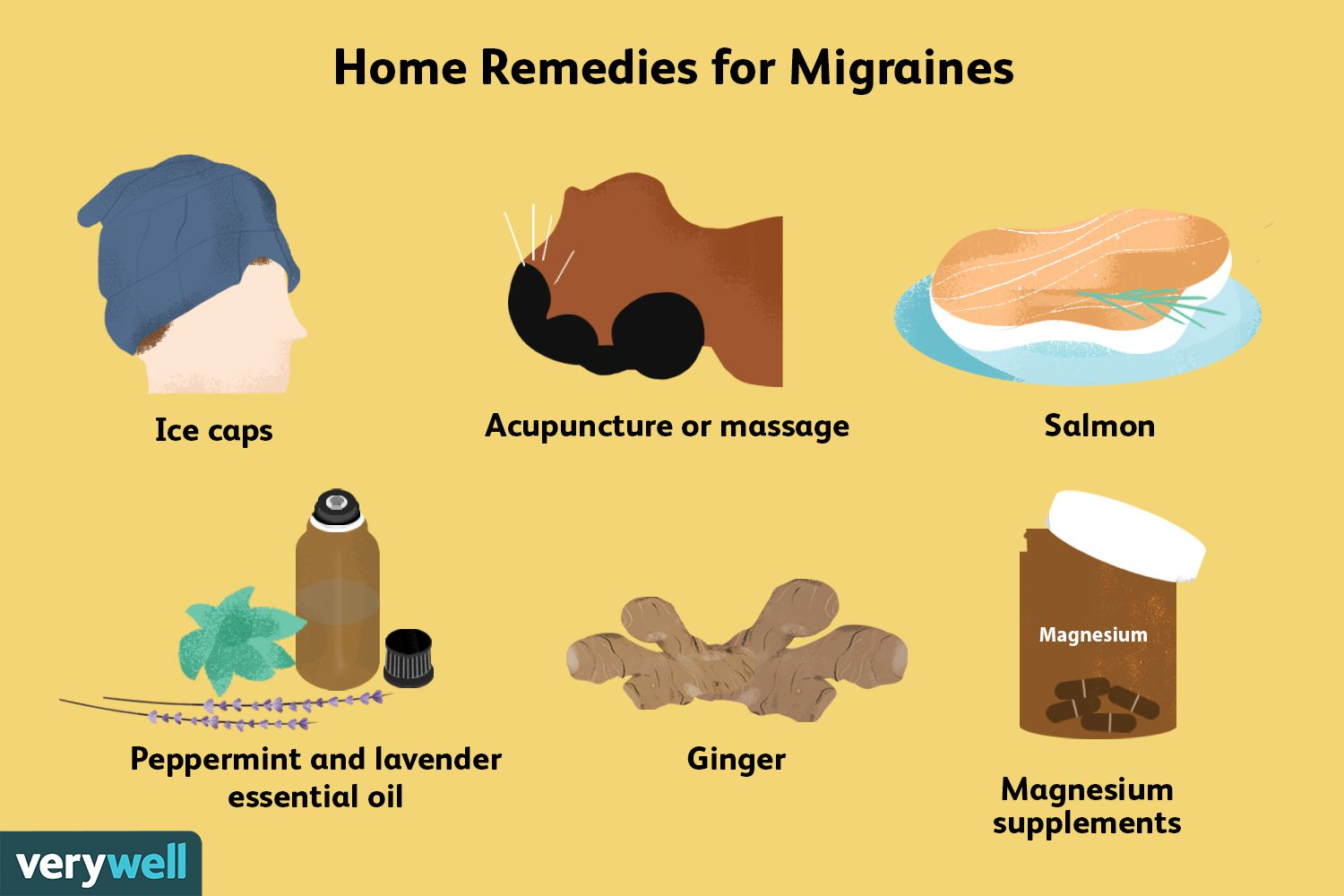
Common natural remedies include drinking water, using cold or warm compresses, practicing relaxation exercises, consuming herbal teas, maintaining proper posture, and using essential oils. These methods are often safe, accessible, and affordable, making them suitable for most people experiencing mild to moderate headaches.
Why is Natural Remedies for Headaches Important?
Using natural remedies for headaches is important because:
- Reduces Dependency on Medications: Frequent use of painkillers can cause side effects or rebound headaches.
- Addresses Root Causes: Remedies like hydration, stress reduction, and proper posture target the underlying triggers.
- Safe for Regular Use: Gentle and natural, they can be used frequently without harmful side effects.
- Improves Overall Well-Being: Stress management, proper nutrition, and hydration contribute to general health.
- Cost-Effective: Most remedies use simple household items or herbs.
- Prevents Recurrence: Consistent natural strategies can reduce the frequency of headaches over time.
Ignoring natural remedies may lead to overuse of medication, which can cause dependency or additional health problems. By focusing on natural approaches, you can manage pain safely and improve long-term health.
Detailed Step-by-Step Guide
Step 1: Hydration
Dehydration is a common cause of headaches. Drinking enough water can relieve and prevent headaches:
- Aim for 6–8 glasses of water daily
- Include herbal teas and soups for extra hydration
- Avoid excessive caffeine and alcohol, which can dehydrate the body
Hydration helps maintain blood flow to the brain and reduces the intensity of headaches.
Step 2: Dietary Adjustments
Magnesium-Rich Foods
- Dark leafy greens, nuts, seeds, and whole grains
- Magnesium helps relax blood vessels and prevent migraine headaches
Avoid Trigger Foods
- Processed foods, excessive sugar, and caffeine
- Certain foods like chocolate, cheese, or MSG may trigger headaches in sensitive individuals
Balanced Meals
- Regular meals prevent low blood sugar headaches
- Include protein, complex carbohydrates, and healthy fats
Step 3: Cold and Warm Compresses
Applying temperature therapy can relieve different types of headaches:
- Cold Compress: Place a cold pack on the forehead or temples for tension and migraine headaches
- Warm Compress: Apply a warm towel or heating pad on the neck and shoulders to relieve muscle tension
Step 4: Herbal and Home Remedies
Ginger
- Brew ginger tea or chew fresh ginger slices
- Reduces inflammation and nausea associated with headaches
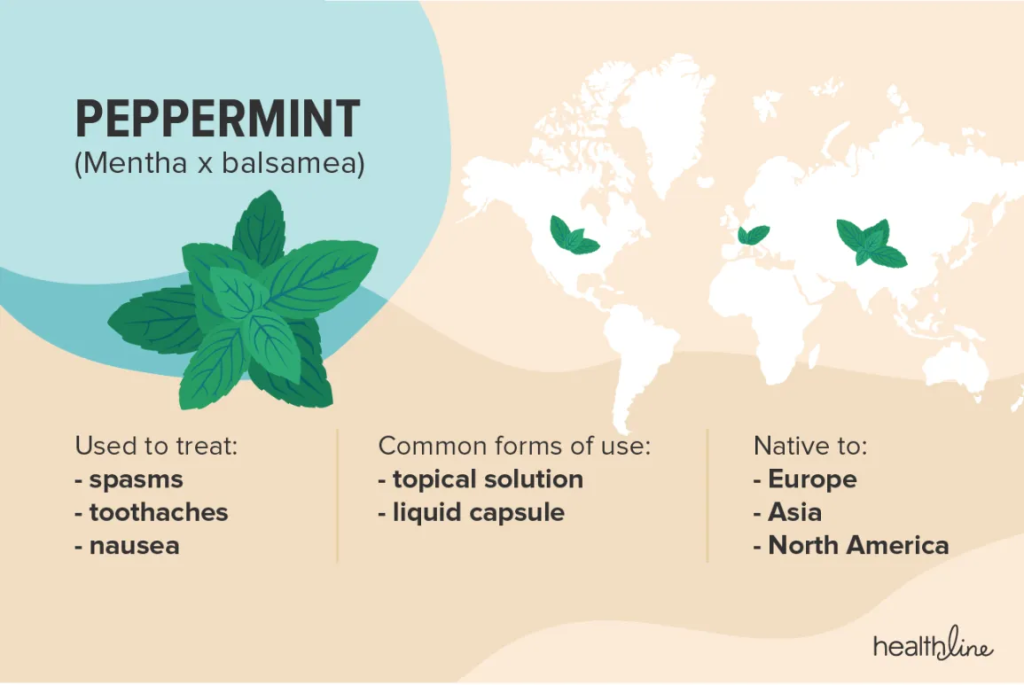
Peppermint Oil
- Apply diluted peppermint oil to temples
- Provides a cooling effect that relieves tension headaches
Chamomile Tea
- Promotes relaxation and reduces stress-related headaches
Lavender Oil
- Inhaling lavender oil or using in a diffuser reduces migraine severity and promotes calm
Step 5: Practice Relaxation Techniques
Deep Breathing
- Inhale slowly for 4–5 counts, hold, then exhale
- Reduces tension and increases oxygen flow to the brain
Meditation
- 10–15 minutes of mindfulness meditation lowers stress and headache frequency
Yoga and Stretching
- Gentle yoga stretches improve posture and relieve neck and shoulder tension
- Specific poses like child’s pose, cat-cow, and forward folds target muscle tightness
Step 6: Maintain Proper Posture
Poor posture, especially while sitting at a desk, can cause tension headaches:
- Keep shoulders relaxed and back straight
- Position screens at eye level
- Take breaks to stretch neck and shoulder muscles
- Avoid hunching while reading or using phones
Proper posture reduces muscle strain and prevents recurring headaches.
Step 7: Sleep and Rest
Sleep deprivation or irregular sleep patterns can trigger headaches:
- Aim for 7–9 hours of quality sleep
- Keep a consistent sleep schedule
- Create a comfortable sleep environment with minimal noise and light
Rest allows the nervous system to recover and prevents tension headaches.
Step 8: Stress Management
Stress is a major trigger for headaches:
- Use time management and planning to reduce pressure
- Engage in hobbies, music, or creative activities
- Practice gratitude and positive thinking to improve emotional resilience
Step 9: Physical Activity
Exercise improves blood circulation, reduces stress, and releases endorphins:
- Moderate activities like walking, swimming, or cycling
- Avoid intense workouts during active headaches
- Gentle stretching and yoga can reduce tension in the head and neck
Step 10: Maintain a Healthy Environment
- Reduce exposure to bright lights or loud noise during headaches
- Limit screen time when experiencing eye strain
- Use ergonomic furniture and maintain comfortable room temperature
A supportive environment prevents additional triggers and promotes faster relief.
Benefits of Natural Remedies for Headaches
- Reduces pain without medication
- Addresses underlying causes such as dehydration or muscle tension
- Improves blood circulation and oxygen flow
- Reduces stress and promotes relaxation
- Enhances sleep quality and overall wellness
- Safe for long-term use
- Cost-effective and easily accessible
Disadvantages / Risks
- May not work for severe headaches or migraines
- Allergies to herbal oils or ingredients may cause reactions
- Overuse of essential oils can irritate the skin
- Ignoring persistent or worsening headaches can delay proper medical care
- Remedies may provide temporary relief but not cure underlying conditions
Common Mistakes to Avoid
- Skipping hydration and relying only on medication
- Ignoring trigger foods that worsen headaches
- Overusing essential oils or herbal remedies without proper dilution
- Poor posture during work or screen time
- Neglecting stress management and sleep routines
- Delaying medical consultation for severe or frequent headaches
FAQs
1. Can natural remedies stop migraines?
Natural remedies can reduce migraine frequency and severity but may not completely eliminate them. Combining remedies with medical advice works best.
2. How long does it take for remedies to work?
Immediate relief may occur with cold/warm compresses, hydration, and peppermint oil. Full benefit from lifestyle changes may take several weeks.
3. Are herbal teas effective for headaches?
Yes. Ginger, chamomile, and peppermint teas reduce inflammation, relax muscles, and alleviate pain.
4. Can posture really affect headaches?
Absolutely. Poor posture strains neck and shoulder muscles, leading to tension headaches. Ergonomic adjustments and regular breaks help prevent this.
5. Is exercise safe during a headache?
Light exercise and stretching can help relieve tension headaches. Avoid intense workouts if pain is severe or accompanied by nausea.
6. Are essential oils safe?
Yes, when properly diluted. Peppermint and lavender oils are most commonly used, but avoid applying undiluted oils directly to the skin.
7. Can diet prevent headaches?
Yes. Avoiding trigger foods, maintaining balanced meals, and consuming magnesium-rich and anti-inflammatory foods reduce the frequency of headaches.
Expert Tips & Bonus Points
- Start remedies at the first sign of headache for best results
- Combine hydration, cold compresses, and herbal teas for fast relief
- Keep a headache diary to identify triggers and patterns
- Use ergonomic furniture and maintain proper posture at work
- Practice daily stress management techniques like meditation or yoga
- Limit caffeine and alcohol consumption
- Get regular sleep and avoid overexertion
- Incorporate magnesium and omega-3-rich foods into the diet
Conclusion
Natural remedies for headaches provide safe, effective, and affordable ways to manage pain and reduce frequency. Remedies such as hydration, herbal teas, essential oils, cold and warm compresses, relaxation exercises, proper posture, sleep, and stress management work together to relieve discomfort naturally.
These remedies are particularly valuable for beginners and intermediate readers who want practical solutions without overreliance on medications. While they may not completely replace medical treatment for severe headaches or migraines, consistent use can significantly improve quality of life and prevent recurrence.
By understanding the triggers, implementing natural remedies, and maintaining a healthy lifestyle, individuals can experience faster relief, improved emotional well-being, and better overall health. Natural remedies for headaches empower people to manage pain safely, reduce dependency on medications, and create sustainable habits for long-term wellness. Start today by adopting one or two strategies, and gradually incorporate more for a comprehensive approach to headache relief.